

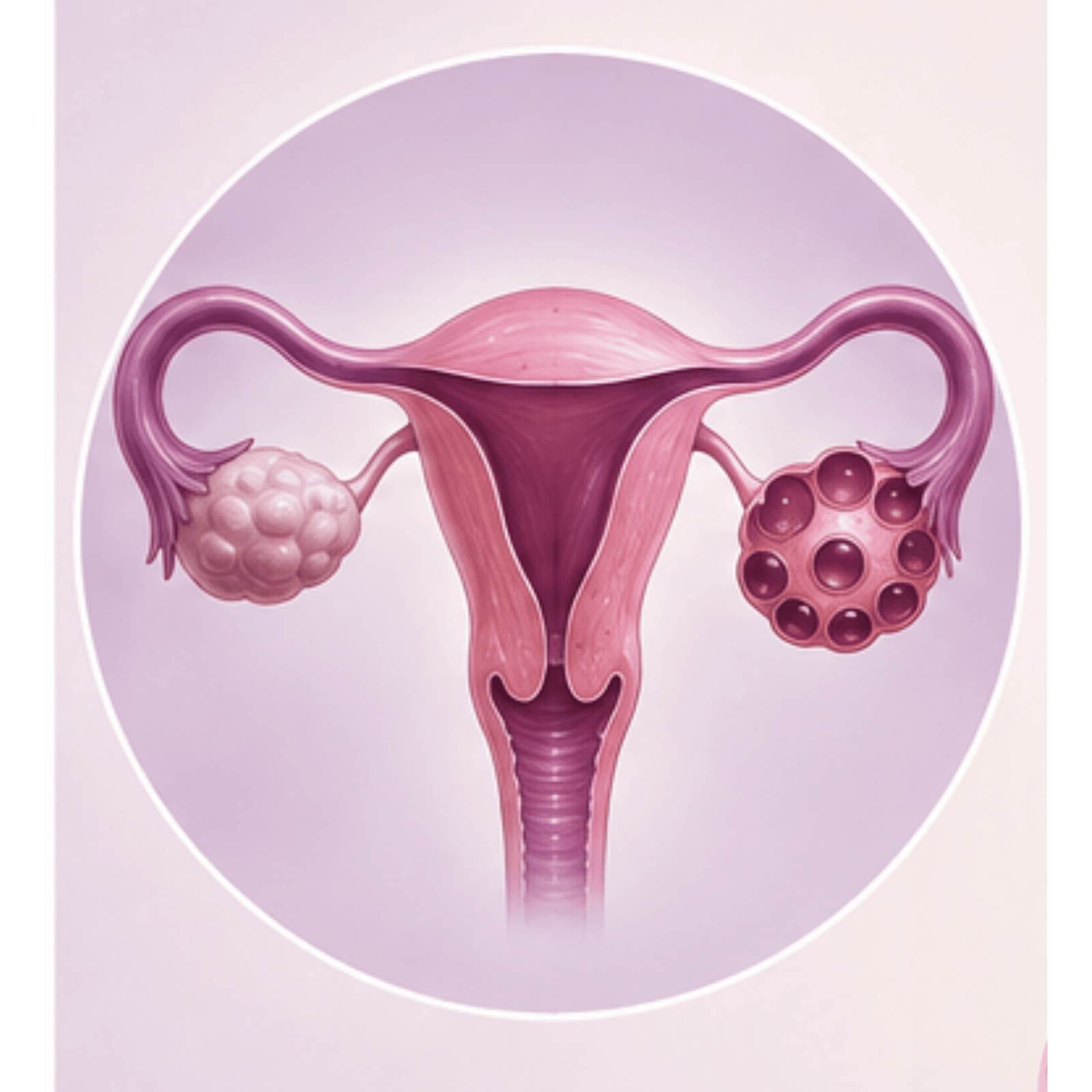
Polycystic Ovary Syndrome (PCOS) is one of the most common hormonal conditions affecting women of reproductive age. It can influence menstrual cycles, ovulation, skin, hair growth, weight and fertility.
However, PCOS does not look the same in every woman. Some women may experience irregular periods, while others may primarily notice acne, unwanted hair growth, difficulty with weight management or challenges with conception.
Understanding the condition and addressing it early can help with both symptoms and long-term health.
What is PCOS?
PCOS is a hormonal condition in which the ovaries may produce higher-than-usual levels of certain hormones called androgens. Ovulation may also become irregular or infrequent.
Despite its name, having PCOS does not necessarily mean that you have ovarian cysts. The diagnosis is based on a combination of symptoms, medical history, examination and, when appropriate, investigations.
What are the common symptoms of PCOS?
Symptoms can vary from person to person. Common signs include:
- Irregular or missed periods
- Heavy or prolonged periods in some women
- Difficulty with ovulation
- Acne or oily skin
- Increased facial or body hair
- Hair thinning or hair loss from the scalp
- Difficulty losing weight or unexplained weight gain
- Difficulty conceiving
Having one of these symptoms does not automatically mean that you have PCOS. Other hormonal and medical conditions can cause similar symptoms, which is why proper evaluation is important.
How can PCOS affect periods and fertility?
Irregular ovulation can lead to irregular menstrual cycles. When ovulation does not occur regularly, it can also make conception more difficult.
However, PCOS does not mean that pregnancy is impossible.
Many women with PCOS conceive naturally or with appropriate medical support. If you are trying to conceive and have irregular periods, seeking an evaluation can help identify whether irregular ovulation or another factor is contributing to difficulty conceiving.
What role does nutrition play in PCOS?
Nutrition can be an important part of PCOS management, particularly when insulin resistance, weight management or metabolic health is a concern.
There is no single “PCOS diet” that works for everyone. Instead, focus on sustainable eating habits such as:
- Including adequate protein in meals
- Eating plenty of vegetables and fibre-rich foods
- Choosing whole grains and minimally processed foods more often
- Limiting excessive sugary drinks and highly processed foods
- Maintaining regular meal patterns
- Choosing appropriate portions based on your individual needs
The goal is not to follow an extremely restrictive diet. A sustainable approach that fits your lifestyle is more likely to be maintained in the long term.
Can lifestyle changes help manage PCOS?
Yes. Regular physical activity, adequate sleep, stress management and appropriate nutrition can all form part of PCOS management.
For women who need to lose weight, even modest and gradual weight reduction may improve some metabolic and reproductive aspects of PCOS. However, PCOS can also occur in women who are not overweight, so treatment should never focus only on the number on the weighing scale.
How is PCOS diagnosed?
There is no single blood test that can diagnose PCOS.
Your doctor may consider:
- Your menstrual and reproductive history
- Symptoms such as acne or increased hair growth
- Physical examination
- Hormonal or metabolic blood tests when appropriate
- Pelvic ultrasound when clinically indicated
Other conditions that can cause similar symptoms may also need to be ruled out.
How is PCOS treated?
Treatment depends on your symptoms, health goals and whether or not you are planning pregnancy.
Management may include lifestyle and nutrition changes, treatment for irregular periods or androgen-related symptoms, and fertility treatment when required.
PCOS treatment should be personalised rather than based on a one-size-fits-all approach.
If you have been diagnosed with PCOS, regular follow-up can also help monitor your reproductive and metabolic health over time.
When should you see a doctor?
Consider speaking with a gynaecologist if you experience:
- Very irregular or absent periods
- Persistent acne or unwanted hair growth
- Significant changes in your weight
- Difficulty conceiving
- Symptoms that are affecting your quality of life
- A previous diagnosis of PCOS without regular follow-up
Early evaluation can help you understand what is actually causing your symptoms and whether treatment is needed.
Managing PCOS is a long-term process
PCOS is not simply a problem with periods or weight. It can affect different aspects of a woman’s health, and symptoms may change over time.
With appropriate medical care, nutrition, physical activity and lifestyle changes, PCOS can often be managed effectively.
If you are experiencing symptoms of PCOS or want personalised guidance for managing your hormonal and reproductive health, speak with Dr. Rutuja M. Narvekar at Shree Women’s Clinic, Vile Parle.
Understanding your body is the first step towards managing PCOS with confidence.