
When your period doesn’t feel normal, it’s worth understanding why

Period Related Concerns & Bleeding Problems
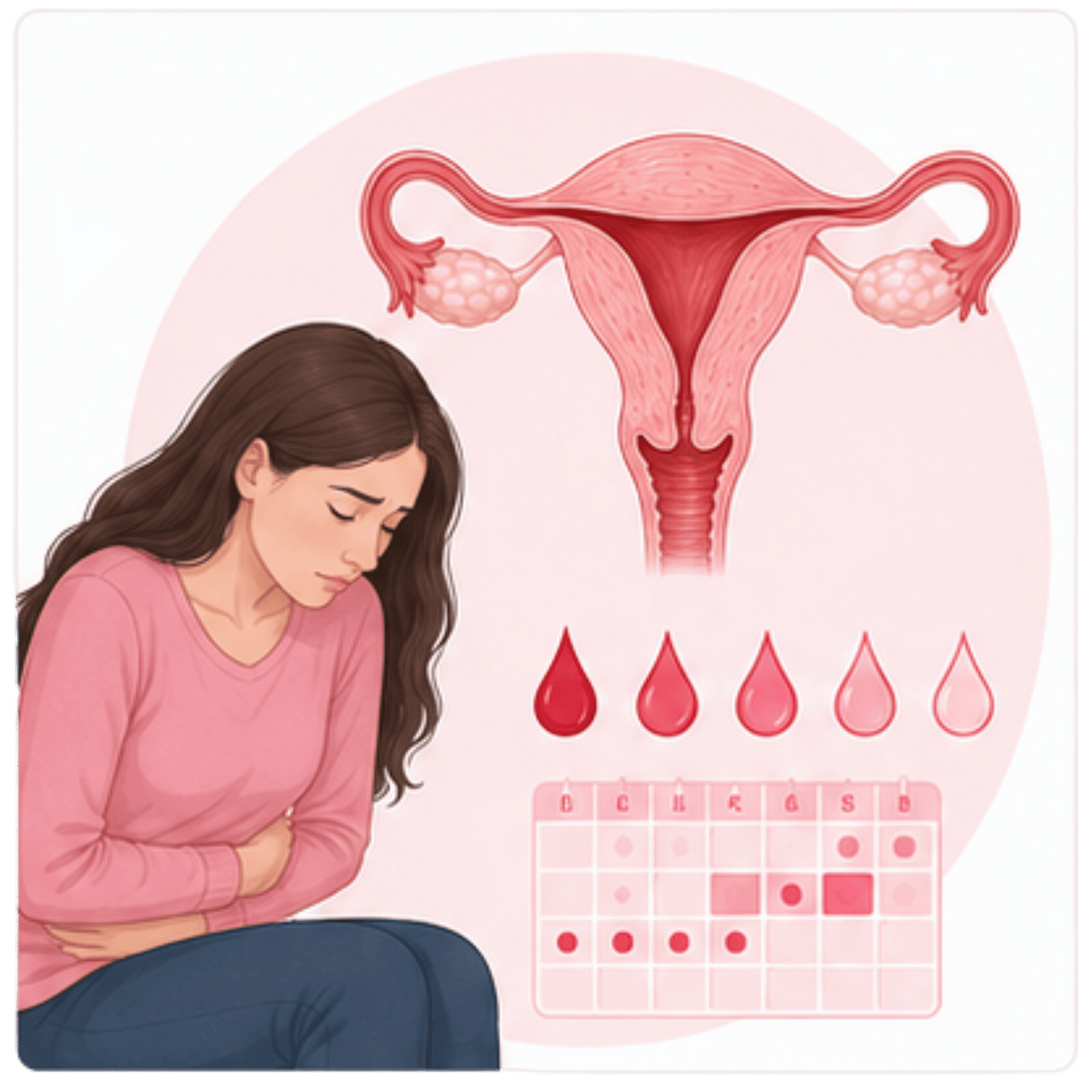
Heavy bleeding, painful periods, irregular cycles or bleeding between periods can affect your everyday life. Dr. Rutuja M. Narvekar provides personalised gynaecological evaluation and care for menstrual and bleeding concerns.
Period related concerns | Shree Women's Clinic
0
Years of Experience
0
Pregnancies Managed
0
Patients Cared For

Pain and bleeding shouldn’t simply be something you “put up with”

Periods can vary from woman to woman, and some changes are completely normal. However, very heavy bleeding, severe pain, unusually long or irregular cycles, bleeding between periods or changes in your usual pattern can sometimes indicate an underlying gynaecological condition.
Conditions such as fibroids, adenomyosis, endometriosis, ovarian cysts, uterine polyps and hormonal disorders can affect periods and cause pain or abnormal bleeding.

Did you know?

A “normal” period is not defined by pain.
Mild menstrual discomfort can be common, but severe pain that interferes with school, work, relationships or everyday activities deserves medical attention. Conditions such as endometriosis and adenomyosis can cause significant menstrual pain and may sometimes take time to diagnose.

Concerns We AddressFrom period problems to preventive screening
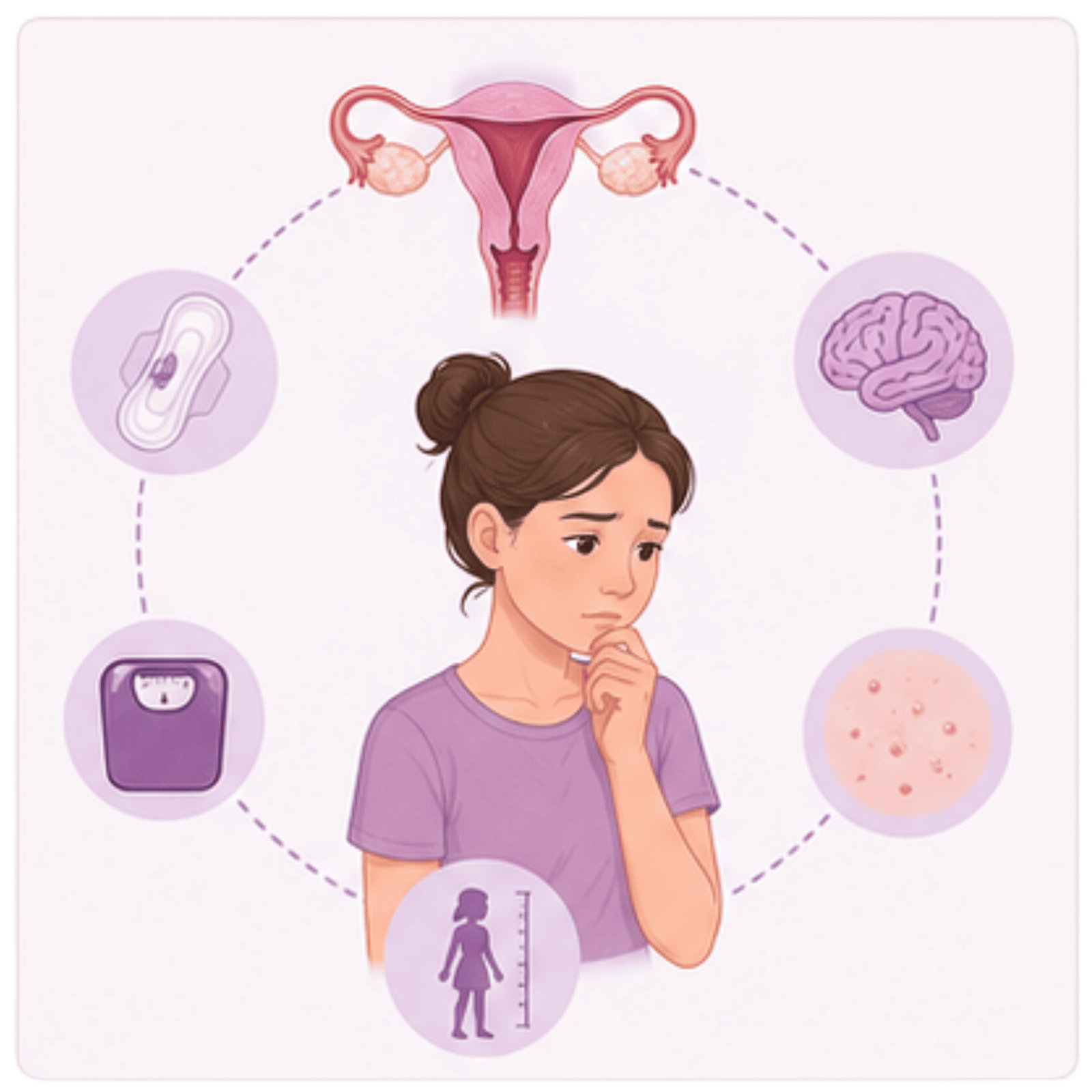
Adolescent health problems Period related concerns | Shree Women's Clinic

Adolescent Health Problems

What it is
The first few years after periods begin can involve changes in cycle length and flow as the reproductive system matures. However, very painful periods, extremely heavy bleeding or persistently irregular periods may require evaluation.
When is it required
Consider a consultation if periods are extremely painful, unusually heavy, persist for an unusually long time, are consistently irregular or interfere with school, sports, sleep or daily activities.
What to expect
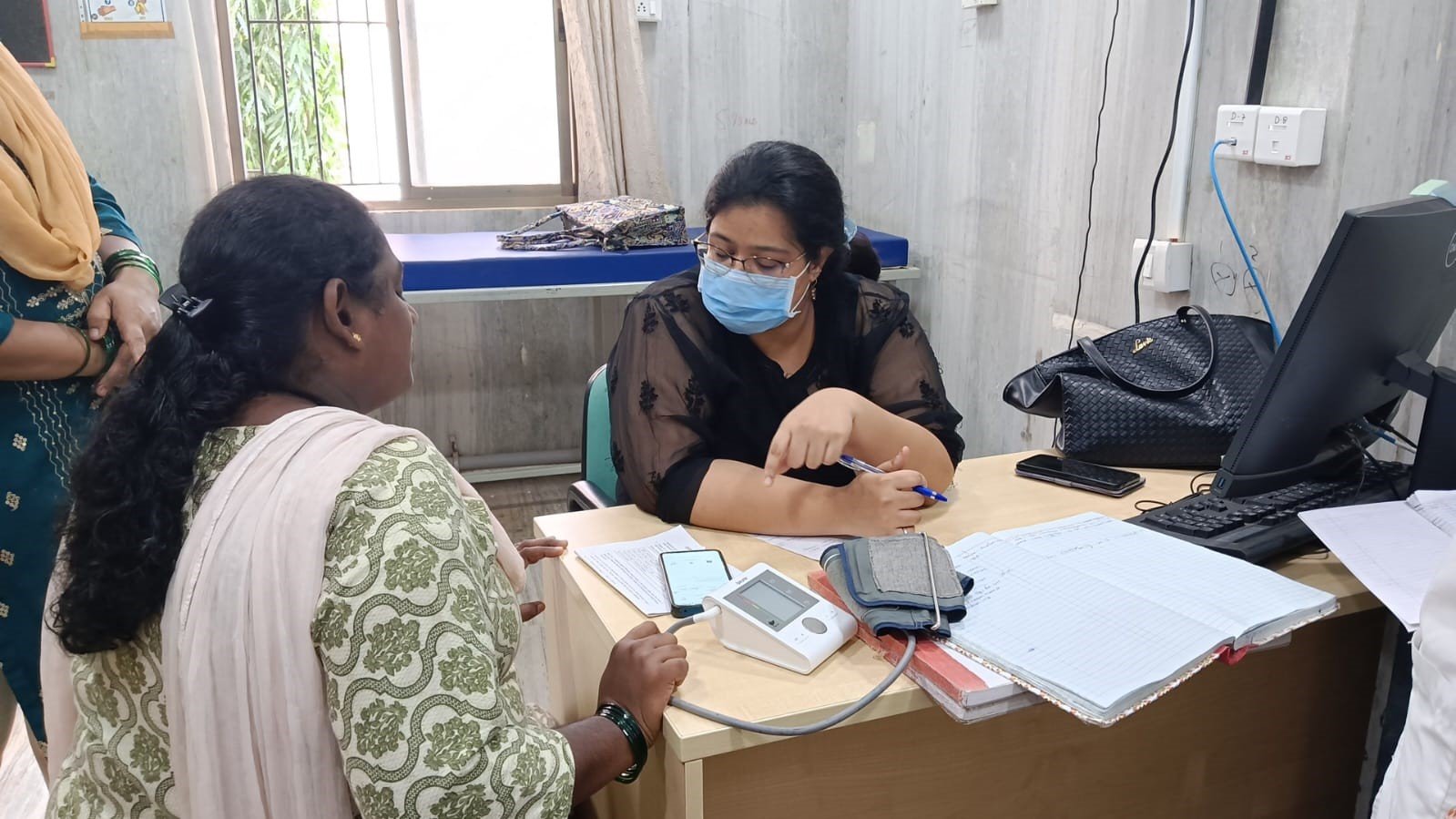
Dr. Rutuja provides age-appropriate, confidential and sensitive care. She discusses menstrual patterns and symptoms and recommends further evaluation only when clinically appropriate.

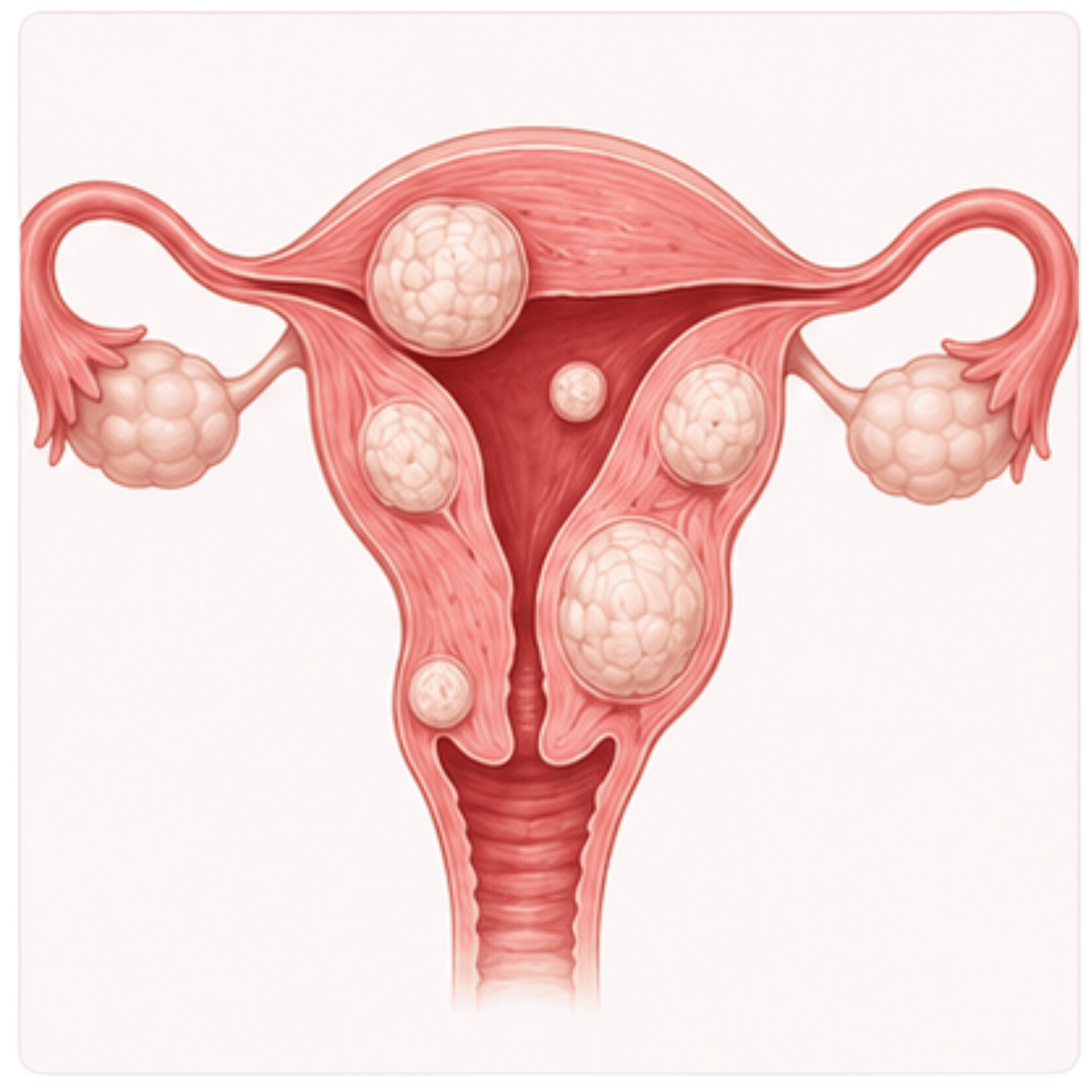
Fibroids

What it is
Fibroids are non-cancerous growths that develop in or around the muscle of the uterus. Some women have no symptoms, while others may experience heavy periods, pelvic pressure, pain or fertility concerns.
When is it required
An evaluation may be appropriate if you experience heavy menstrual bleeding, pelvic pressure, painful periods, an enlarged-feeling abdomen or fertility concerns.
What to expect
Dr. Rutuja assesses your symptoms and medical history and may recommend an ultrasound or other investigation when appropriate. Management depends on factors such as the size and location of the fibroids, symptoms, age and whether you are planning pregnancy.
Fibroids Period related concerns | Shree Women's Clinic
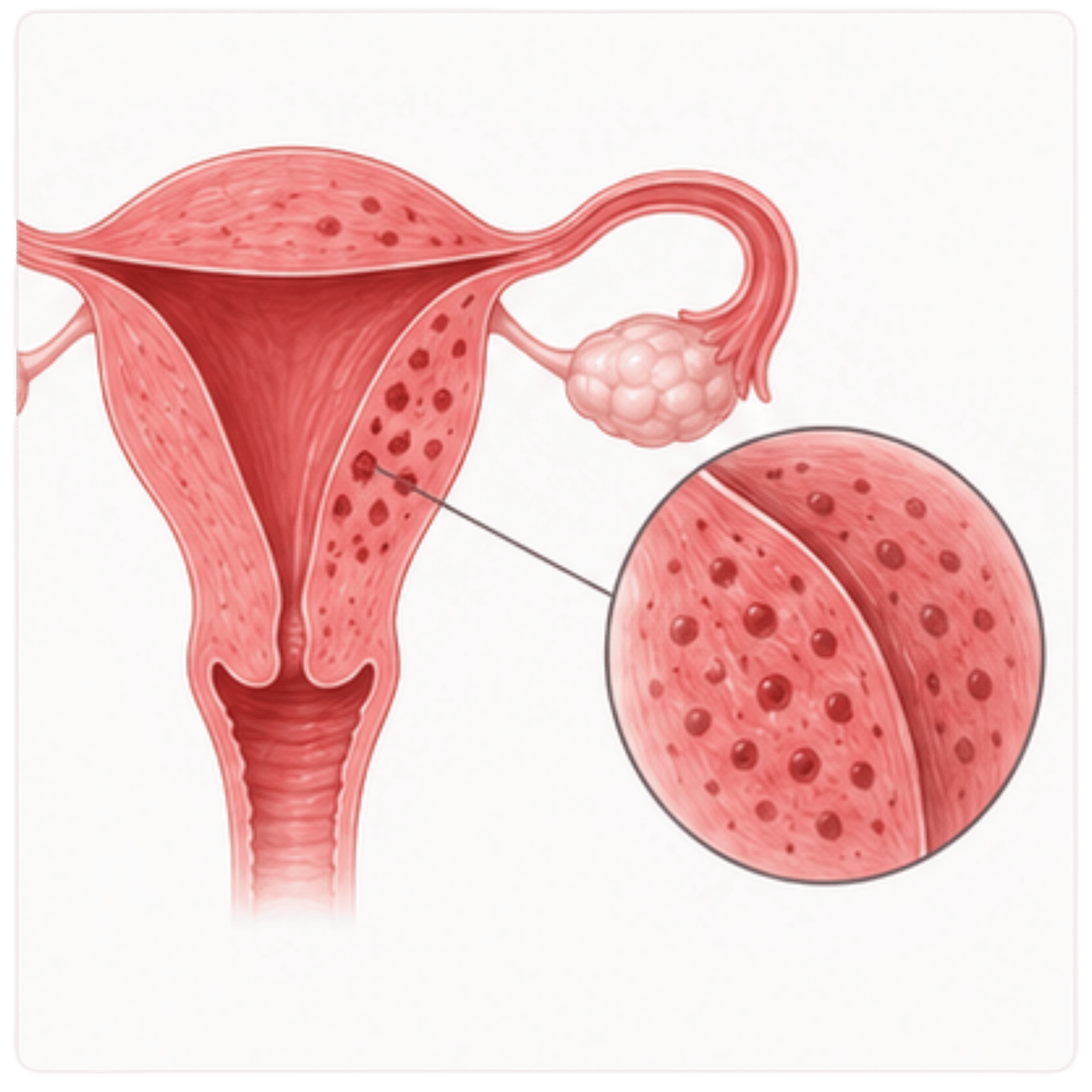
Adenomyosis Period related concerns | Shree Women's Clinic

Adenomyosis

What it is
Adenomyosis occurs when tissue similar to the uterine lining grows into the muscular wall of the uterus. It can cause painful periods, heavy menstrual bleeding and pelvic discomfort.
When is it required
Consider an evaluation if you experience progressively painful periods, heavy bleeding, pelvic pain or discomfort that affects your daily life.
What to expect
Dr. Rutuja reviews your symptoms and menstrual history and may recommend imaging such as an ultrasound depending on your clinical situation. Treatment is individualised according to symptoms, age, reproductive plans and severity.

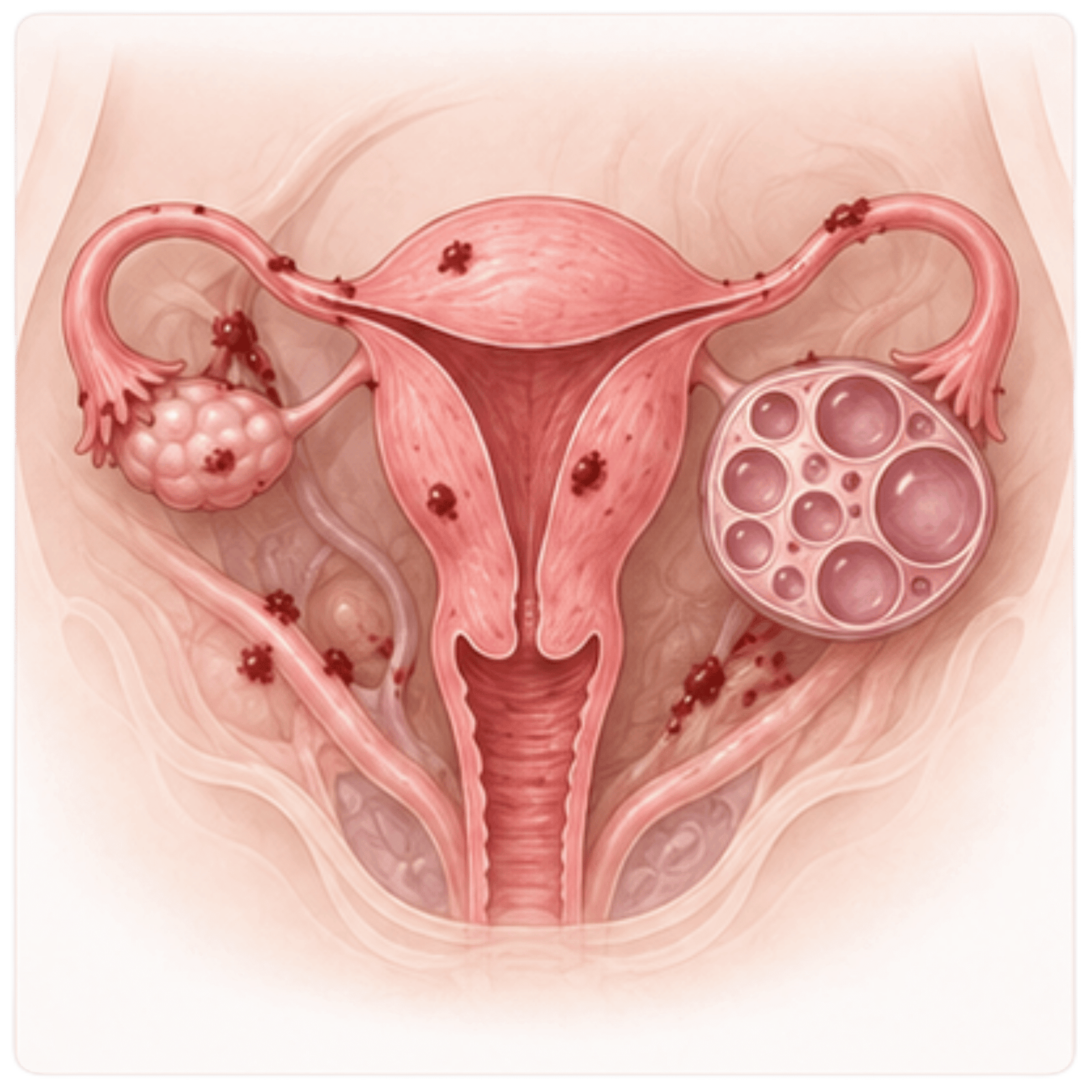
Endometriosis & Ovarian Cysts

What it is
Endometriosis is a condition in which tissue similar to the lining of the uterus grows outside the uterus. It can cause painful periods, pelvic pain, pain during intercourse and sometimes fertility difficulties.
An ovarian cyst is a fluid-filled or other type of sac that develops in or on an ovary. Many ovarian cysts are benign and resolve on their own, but some require monitoring or treatment.
When is it required
Seek an evaluation if you experience severe period pain, persistent pelvic pain, pain during intercourse, unusual bleeding, symptoms that recur every cycle or concerns related to fertility.
What to expect
Dr. Rutuja evaluates your symptoms and history and may recommend pelvic imaging or other investigations when clinically appropriate. Management depends on the condition, severity, reproductive goals and individual circumstances.
Endometriosis and ovarian cysts Period related concerns | Shree Women's Clinic
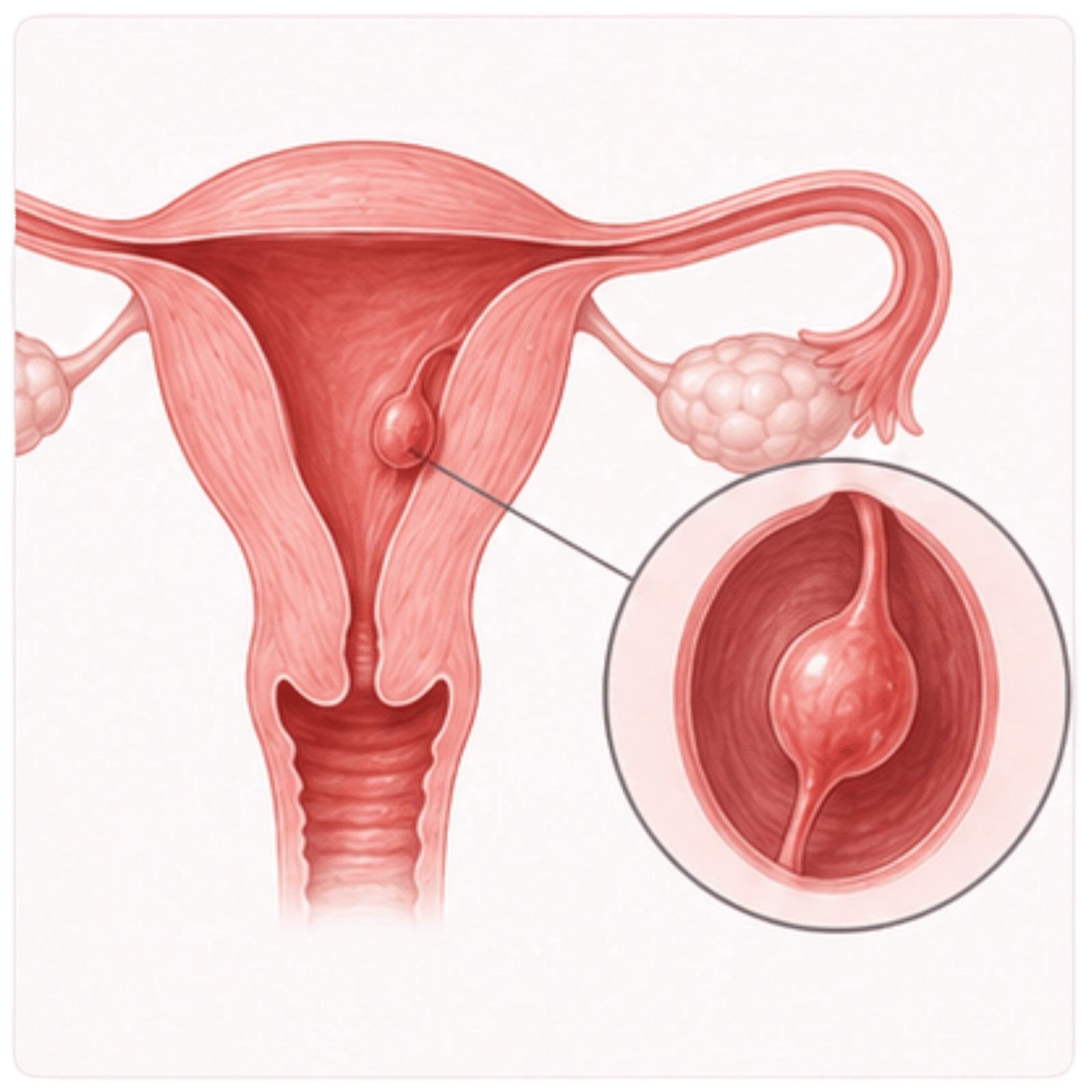
Polyps Period related concerns | Shree Women's Clinic

Polyps

What it is
Uterine or cervical polyps are small growths that develop from the lining of the uterus or cervix. They can sometimes cause irregular bleeding, bleeding between periods or bleeding after sexual intercourse.
When is it required
An evaluation may be recommended when bleeding becomes irregular, unusually heavy or occurs between periods or after intercourse.
What to expect
Dr. Rutuja may recommend an examination, ultrasound or other appropriate investigations to identify the cause of abnormal bleeding. If a polyp is detected, management depends on its size, location, symptoms and individual circumstances.

Cervical Screening

What it is
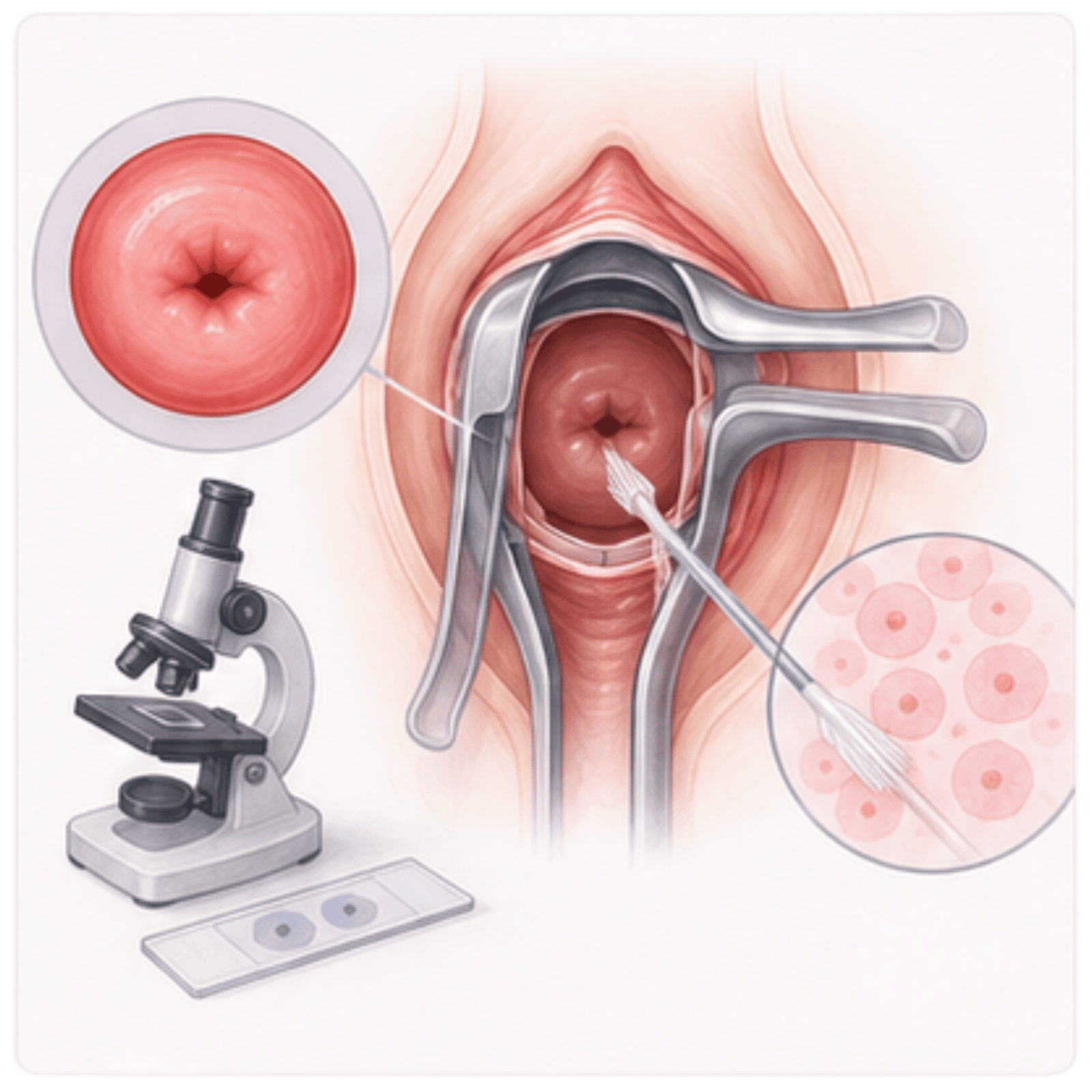
Cervical screening helps identify changes in cervical cells that could potentially develop into cervical cancer. Screening can detect certain changes before they become cancerous.
When is it required
Screening is recommended according to age, previous screening results, risk factors and applicable guidelines. It can also be discussed if you have concerns about cervical health or have been advised to undergo screening.
What to expect
Dr. Rutuja can discuss your screening history, determine whether screening is appropriate and explain the available testing options. Depending on your age and circumstances, this may involve cervical cytology (Pap test), HPV testing or a combination according to applicable recommendations.
Cervical screening Period related concerns | Shree Women's Clinic
The cause isn’t always obvious

What causes abnormal bleeding?

Abnormal uterine bleeding can have many possible causes. These can include hormonal changes, fibroids, adenomyosis, polyps, ovulatory problems, certain medications, pregnancy-related conditions and other gynaecological conditions.
Therefore, treatment should begin with understanding why you are bleeding abnormally, rather than simply trying to stop the bleeding.
Dr. Rutuja considers your:
  • Age
  • Menstrual pattern
  • Pregnancy history
  • Medical history
  • Medications
  • Bleeding pattern
  • Associated pain or symptoms
  • Fertility plans
  • Previous investigations
Dr. Rutuja Narvekar | Gynaecologist in Vile Parle, Mumbai | Shree Women's Clinic

Meet Dr. Rutuja M. Narvekar

Evidence-based treatment with a patient-centred approach.
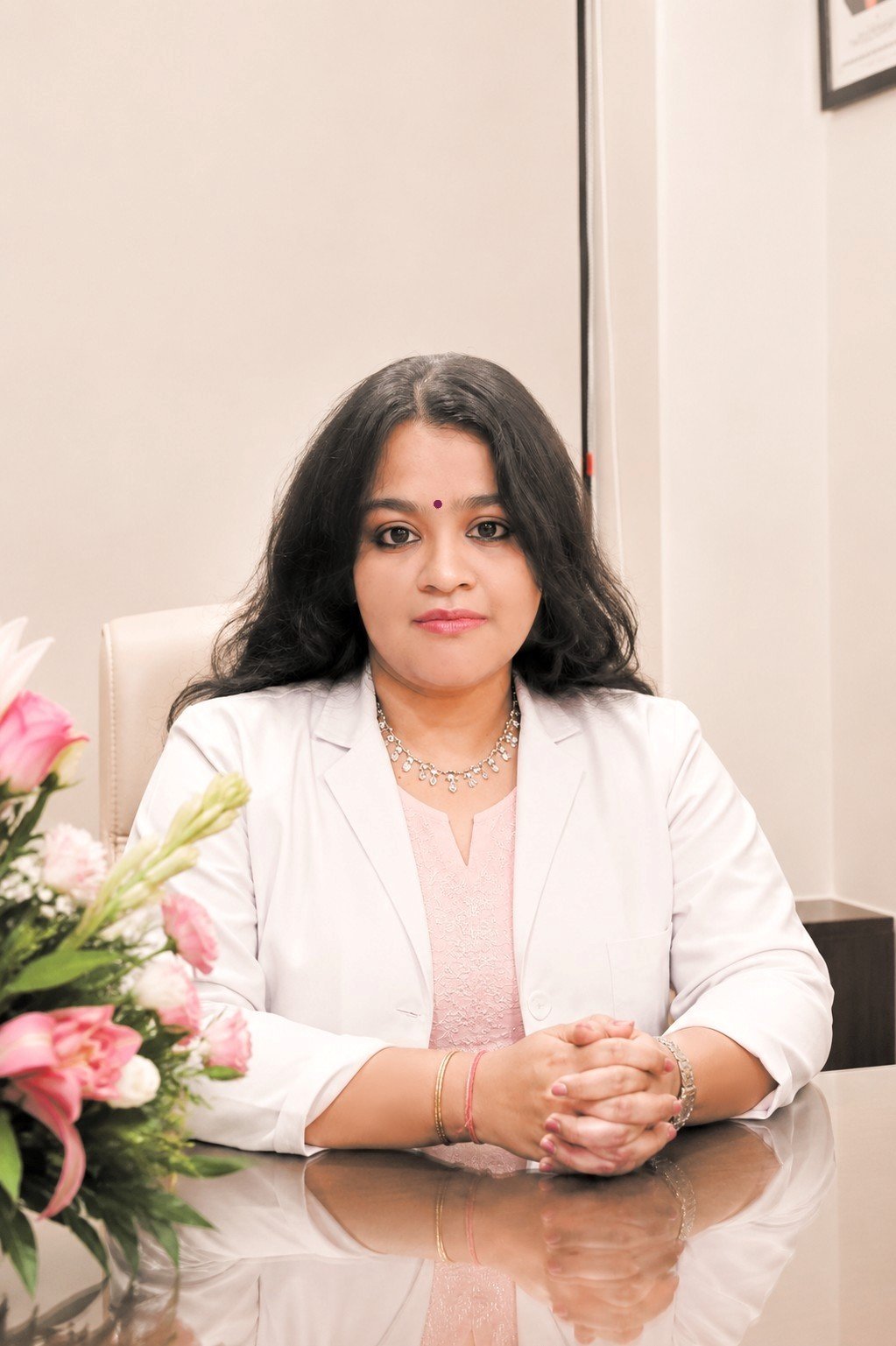
Dr. Rutuja M. Narvekar is a highly qualified Obstetrician & Gynaecologist, Laparoscopic Surgeon and Fertility Specialist, committed to providing personalised, evidence-based care across every stage of a woman’s life.
Her qualifications are affiliated with the Maharashtra University of Health Sciences, and she brings over 7 years of dedicated experience in Obstetrics & Gynaecology.
Her clinical practice is guided by a patient-centred approach, where medical expertise, individual needs and shared decision-making come together to create a comfortable and informed healthcare experience.

Why choose us?

Your health, your comfort, your confidence – our commitment at every stage.
10,000+ patient experience
2,500+ pregnancies managed
Advanced Gynecological evaluation and treatment
Women Wellness Clinic – Comprehensive Women’s healthcare & One stop for all female concerns
Expert Pregnancy Care
Patient Education & Shared decision making.
Direct communication with the doctor for concerns
Compassionate Personalized care with Evidence based treatment approach
OUR Approach

Care that puts you first, at every stage.

From your first consultation to pregnancy, motherhood and beyond, our approach combines medical expertise, evidence-based care and genuine attention to your individual needs.
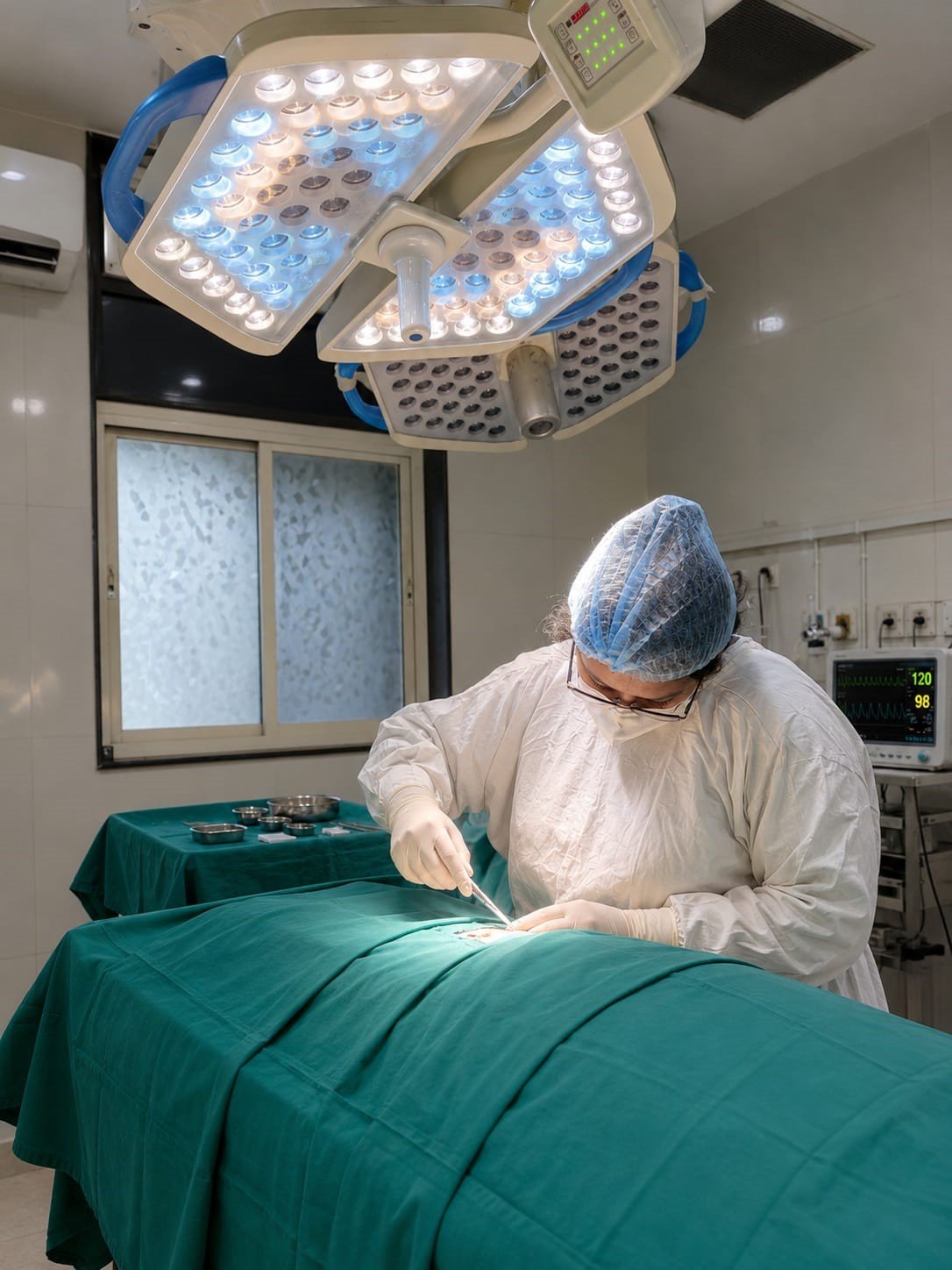
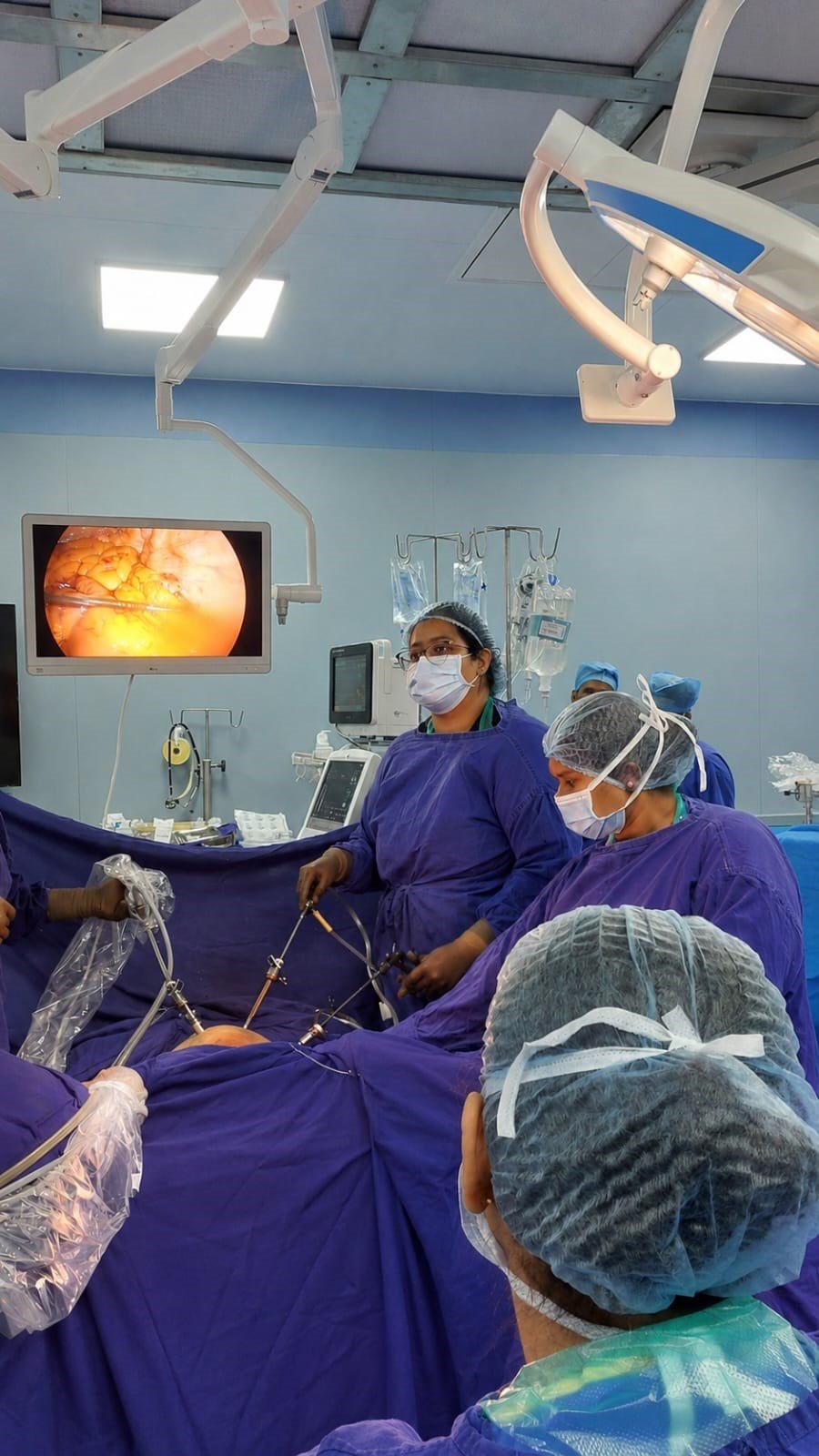
Patient-Centered Care
Evidence-Based Practice
Personalized Treatment
Compassionate Guidance
Testimonials

What Our Patients Say

Frequently Asked Questions (FAQs)

How do I know if my period is too heavy?

Heavy menstrual bleeding is more than simply having a “heavy day.” It may be a concern when bleeding is excessive, lasts unusually long, frequently soaks through sanitary products, causes significant disruption to daily activities or results in symptoms such as tiredness or weakness. The amount of bleeding can be difficult to measure accurately at home, so your overall bleeding pattern and symptoms are important.

Are painful periods normal?

Some menstrual discomfort can be common, particularly during adolescence. However, severe pain that regularly interferes with school, work, sleep, exercise, relationships or everyday activities should not simply be accepted as normal. Conditions such as endometriosis and adenomyosis can cause significant menstrual pain. If your pain is worsening, persistent or affecting your quality of life, Dr. Rutuja can evaluate the possible causes.

Can fibroids and adenomyosis be treated without surgery?

In many cases, treatment does not automatically mean surgery. The appropriate approach depends on your symptoms, age, size and location of the fibroids or adenomyosis, medical history and whether you want to become pregnant. Some women may be managed with medication or monitoring, while others may benefit from procedures or surgery. Dr. Rutuja discusses the available options based on your individual situation rather than recommending surgery simply because a fibroid or adenomyosis is present.

Does having an ovarian cyst mean I have cancer?

No. Many ovarian cysts are benign and can occur as part of normal ovarian function. Some cysts disappear without treatment, while others may require monitoring or further evaluation depending on their appearance, size, symptoms and persistence. An ovarian cyst should therefore be assessed in context rather than assuming it is cancerous. Dr. Rutuja can review your symptoms and imaging findings and advise you about the appropriate next step.

When should I start cervical screening?

The appropriate age and type of cervical screening can vary according to the screening guidelines followed in your region, your age, previous results and individual risk factors. Screening is intended for people who may not have symptoms and is different from diagnostic testing for abnormal bleeding or other concerns. Dr. Rutuja can review your history and explain when screening is appropriate and which test may be recommended.

Book Your Consultation Today

Take the Next Step Towards Better Women’s Health

Whether you are planning a pregnancy, managing a gynaecological concern or simply looking after your long-term health, expert care is just an appointment away.