

PCOS / PCOD / PMOS
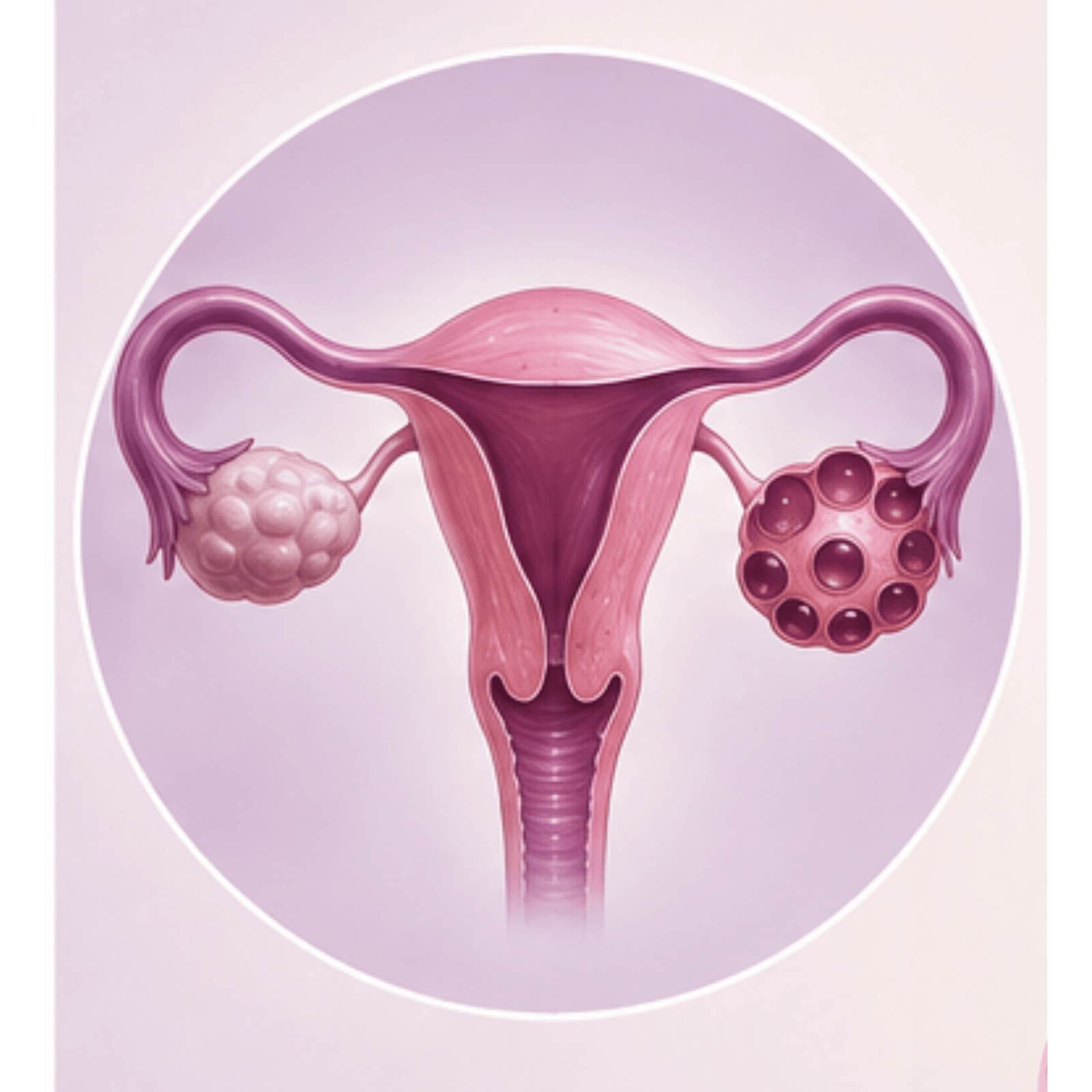
A hormonal condition with different faces
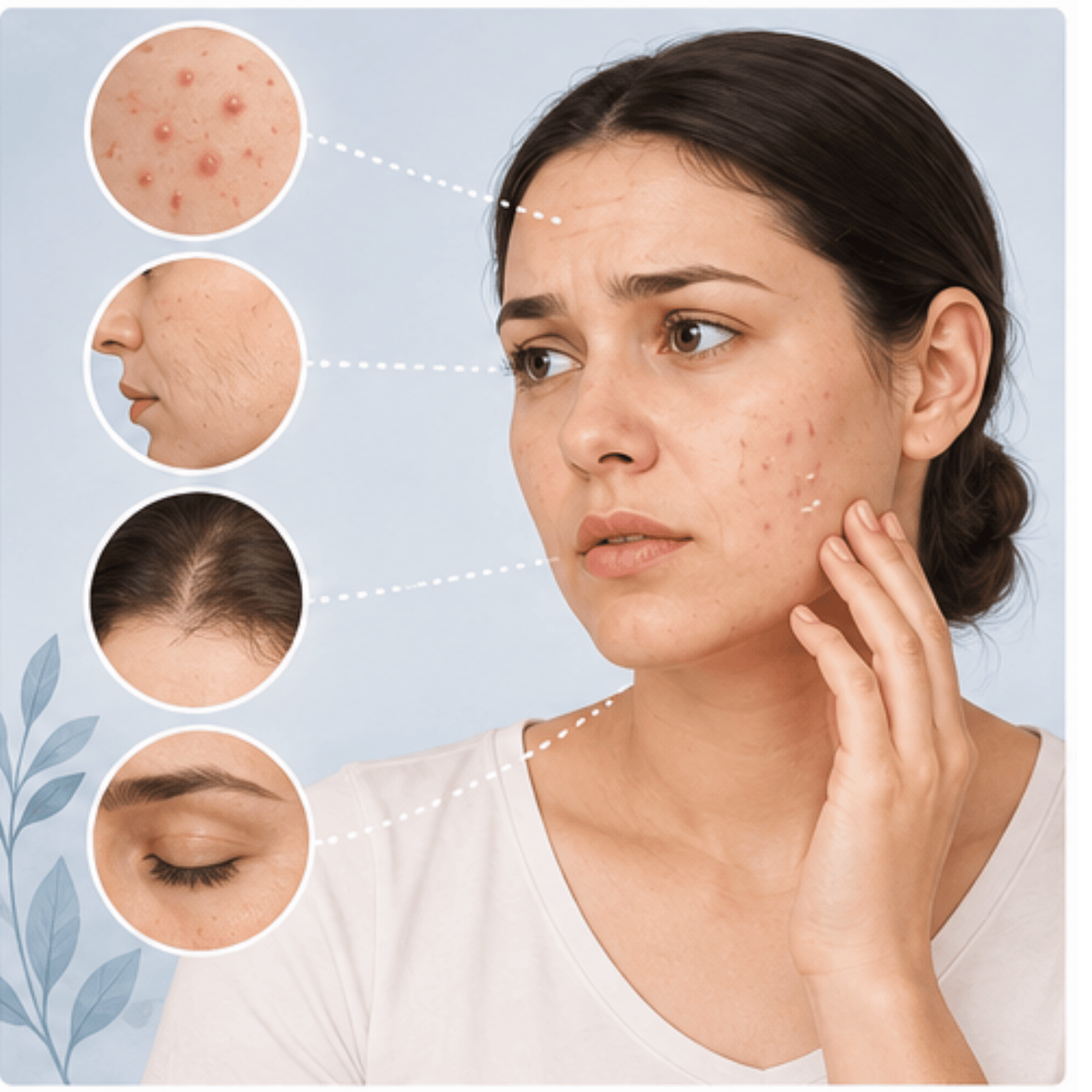
Common symptoms may include:
- Irregular or missed periods
- Heavy or unpredictable periods
- Acne or oily skin
- Excess facial or body hair
- Hair thinning or hair loss
- Difficulty with weight management
- Difficulty conceiving
- Darkening of skin in certain areas
- Mood or emotional concerns
Your symptoms are connected
Did you know?
Services
PCOS / PCOD Care We OfferYour symptoms deserve an individualised plan
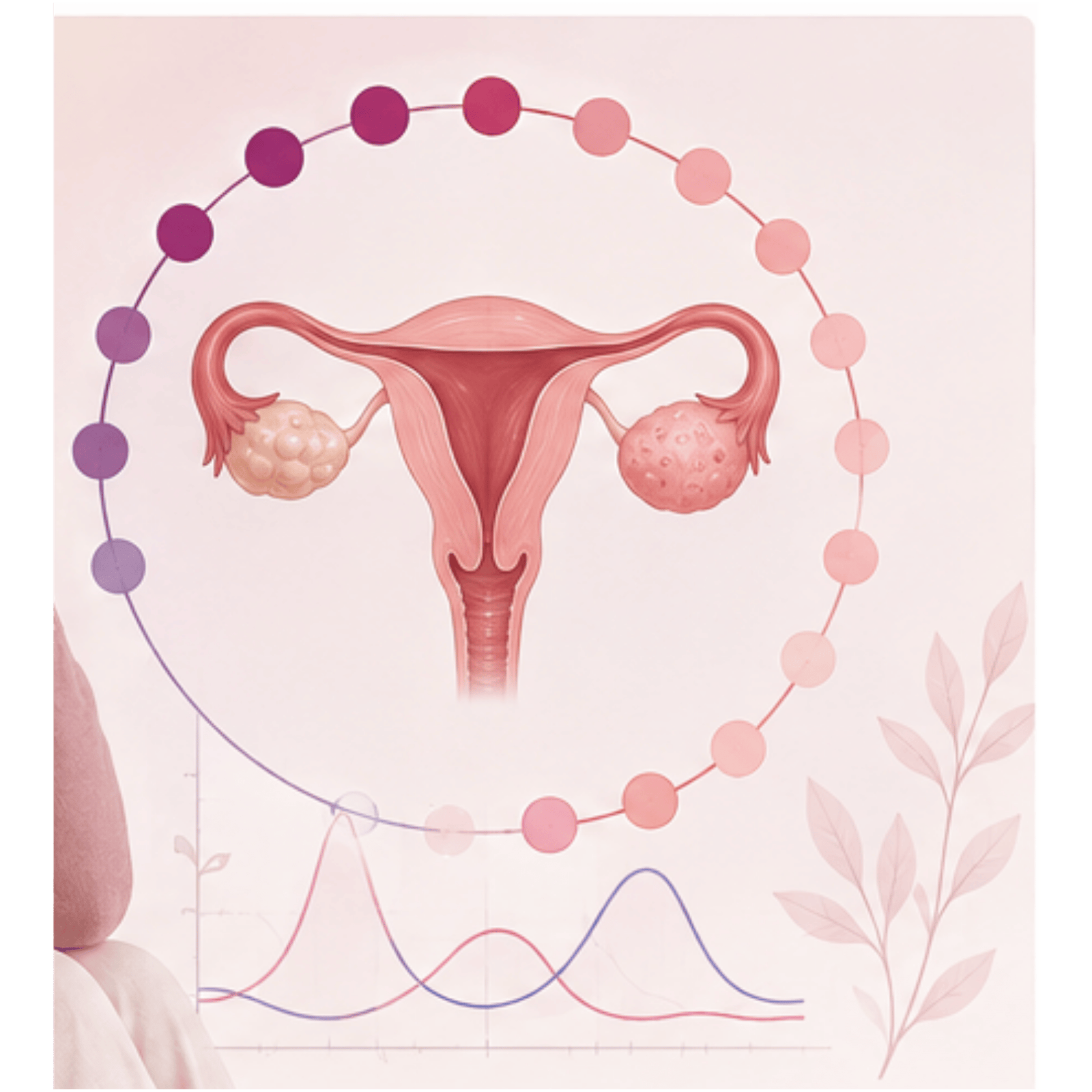
Irregular Periods & Hormonal Imbalance
What it is
When is it required
What to expect
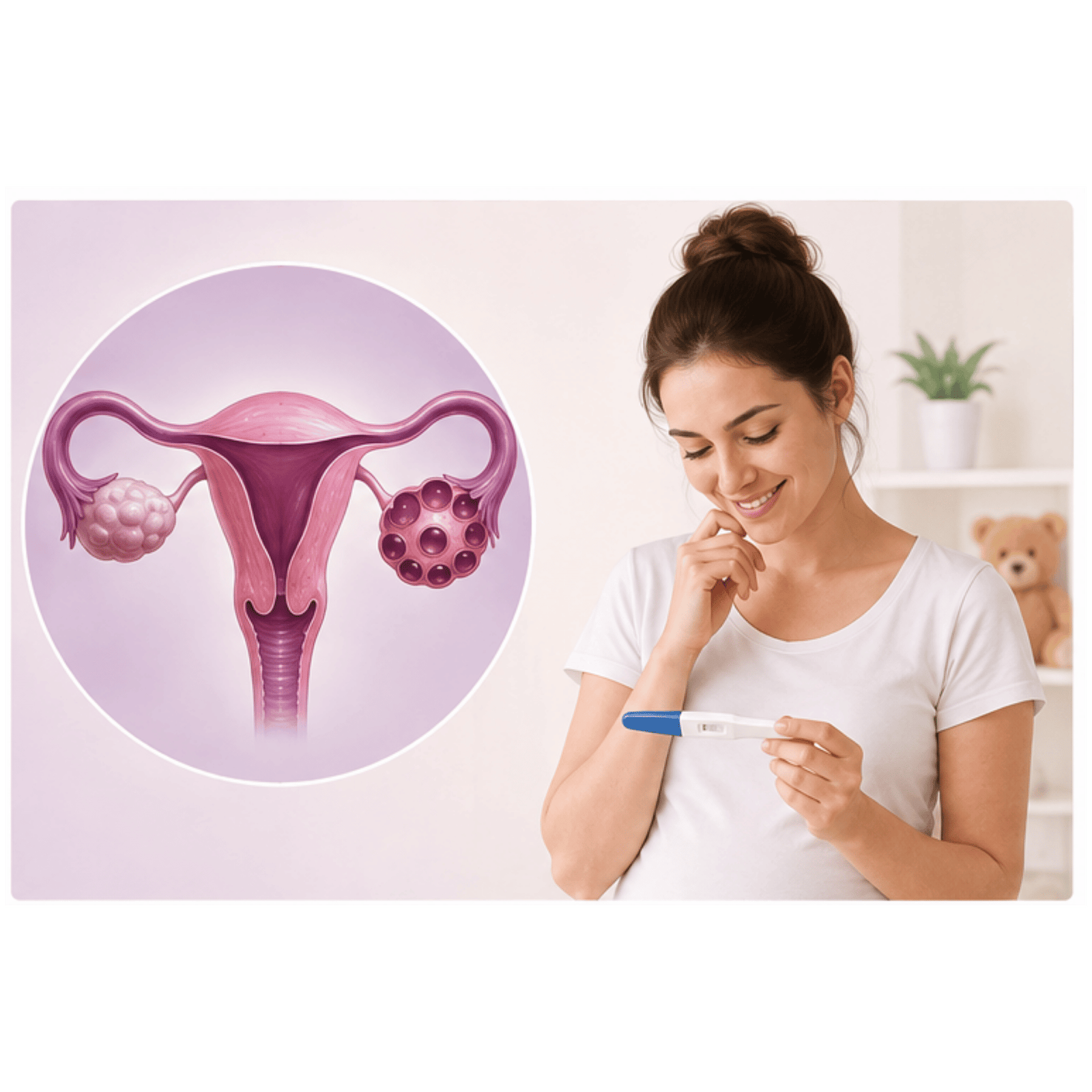
PCOS & Fertility
What it is
When is it required
What to expect
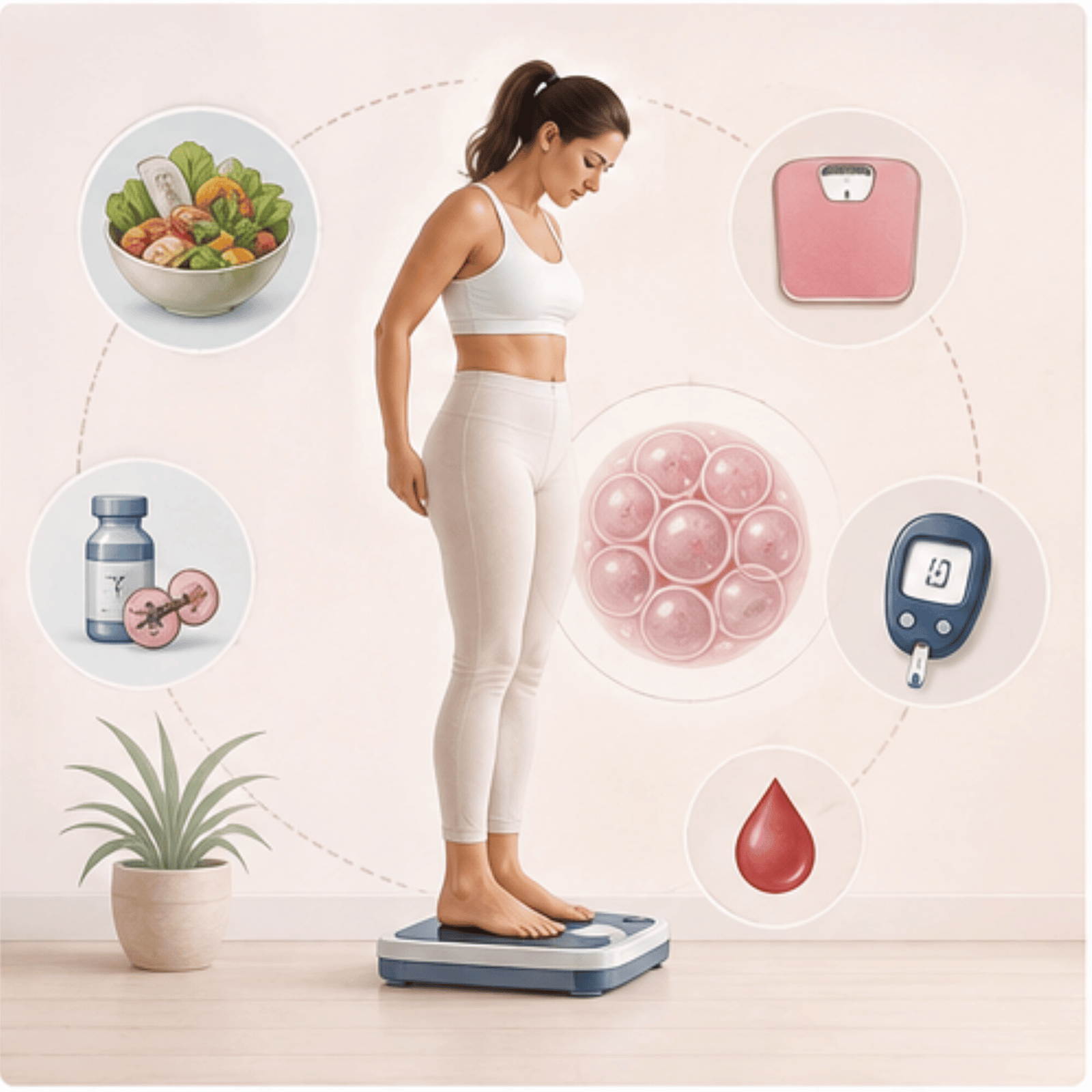
PCOS, Weight & Metabolic Health
What it is
When is it required
What to expect
PCOS is not simply a weight problem. Weight management is one component of care when relevant — not the definition of the condition.
PCOS-Related Skin & Hair Concerns
What it is
When is it required
What to expect
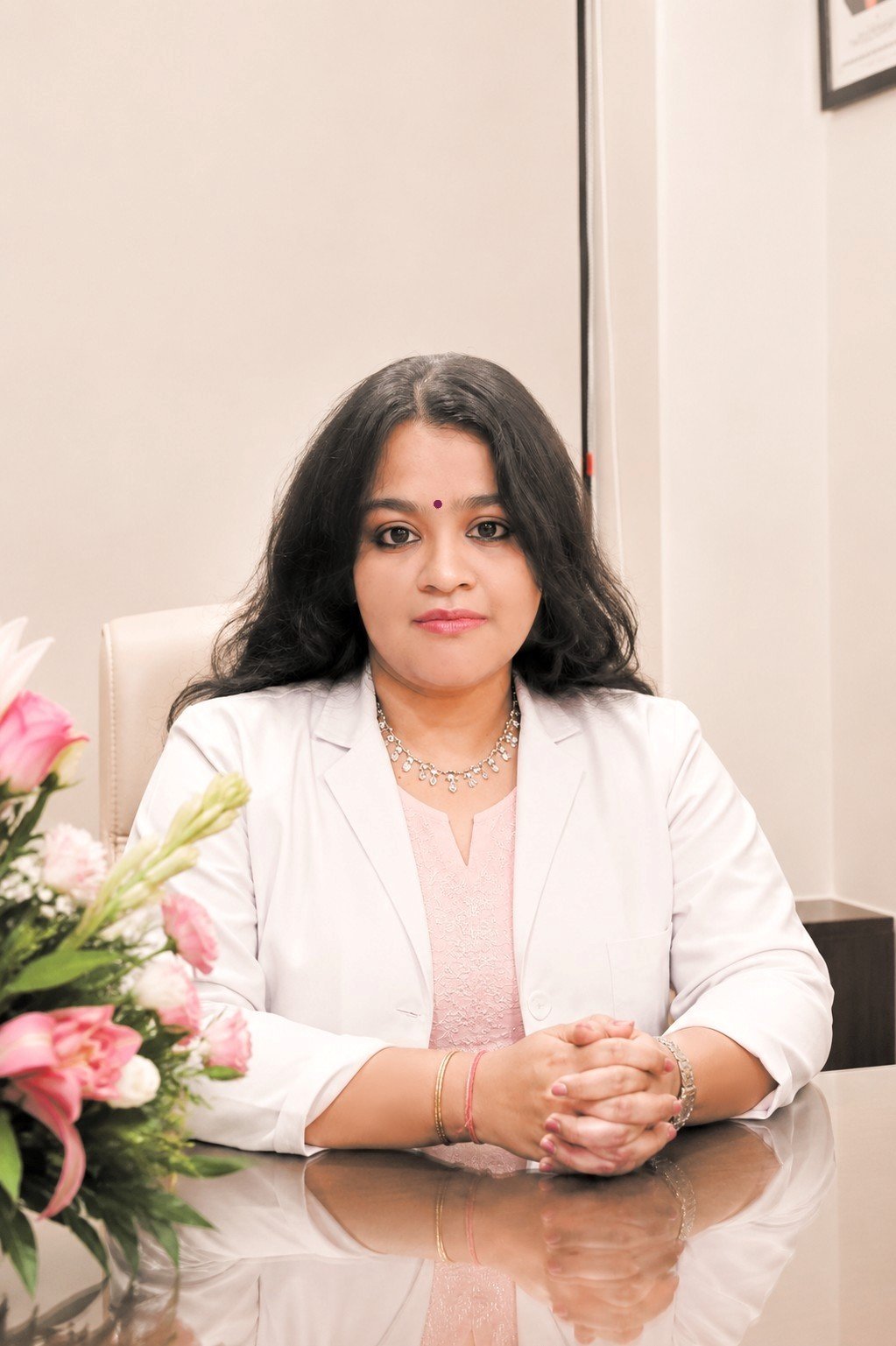
Meet Dr. Rutuja M. Narvekar
Why choose us?
Care that puts you first, at every stage.
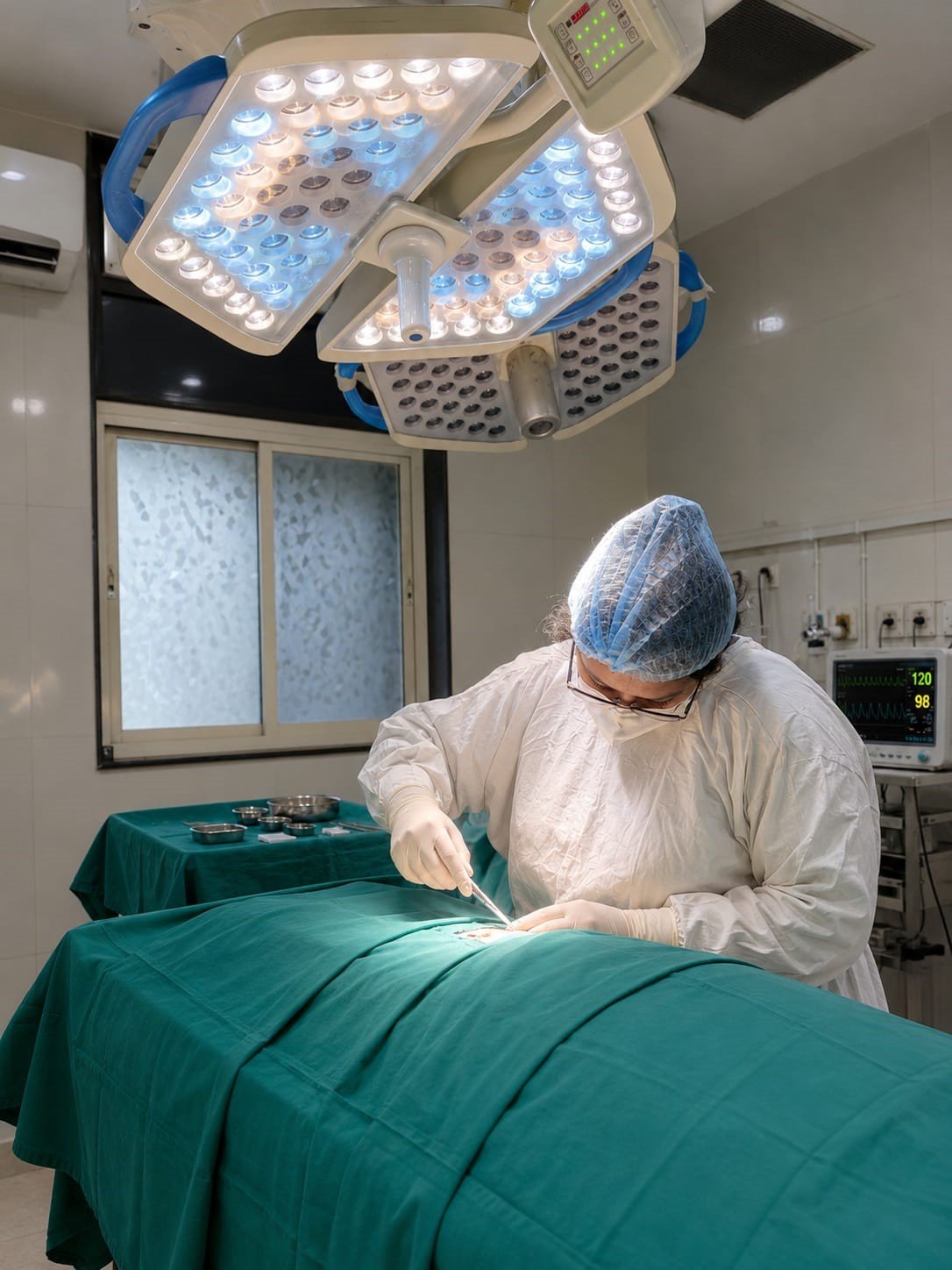
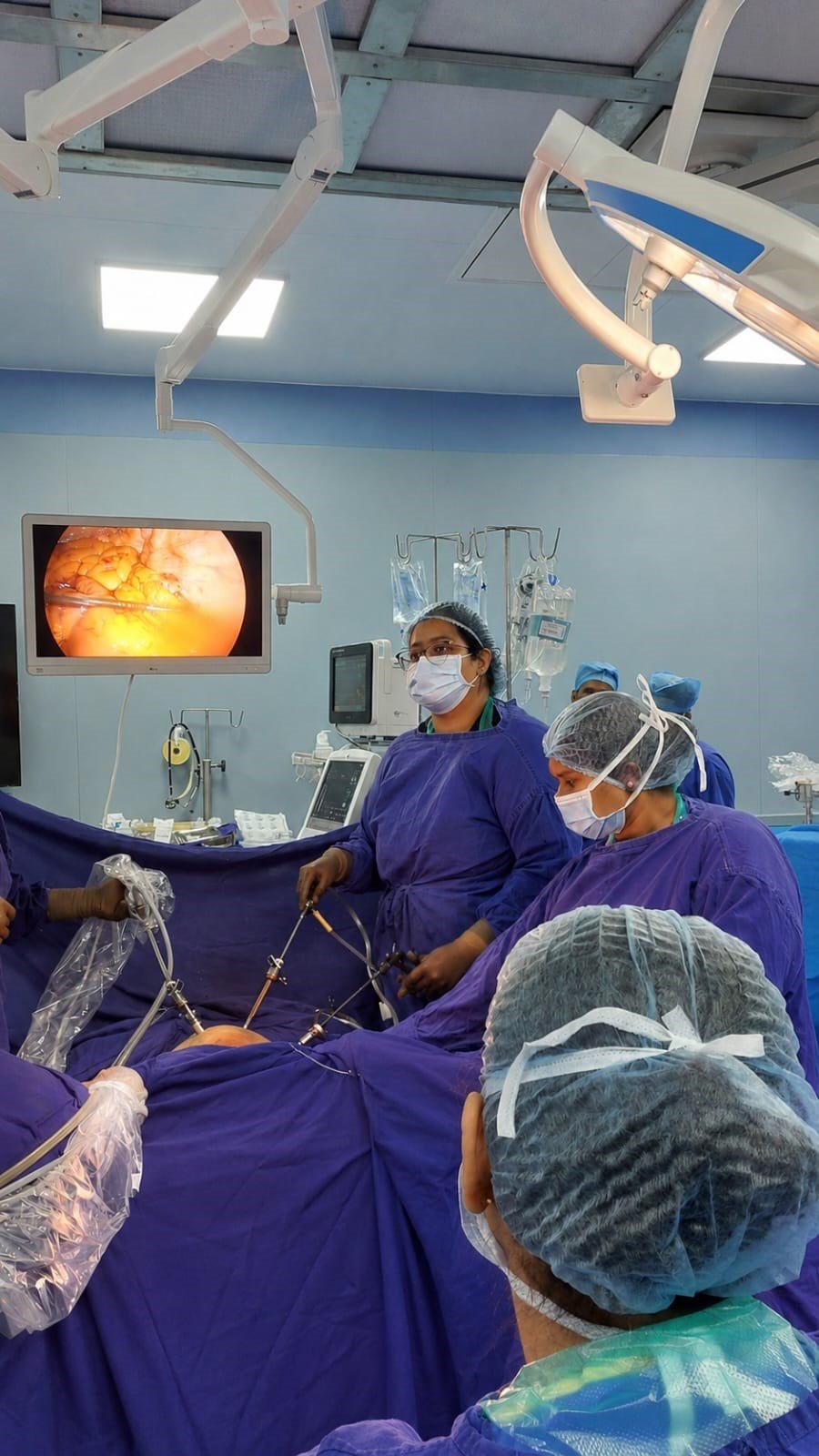
From your first consultation to pregnancy, motherhood and beyond, our approach combines medical expertise, evidence-based care and genuine attention to your individual needs.

















What Our Patients Say
Frequently Asked Questions (FAQs)
What is the difference between PCOS and PCOD?
PCOS stands for Polycystic Ovary Syndrome and is the commonly used medical term for this hormonal condition. “PCOD” is also widely used by patients and clinics, although it is not a separate condition in the way it is sometimes presented online. PCOS involves a broader pattern of hormonal and metabolic features and can affect ovulation, periods, androgen-related symptoms and metabolic health. If you have been told you have PCOD or PCOS, Dr. Rutuja can review your symptoms and previous reports to understand your individual situation rather than relying only on the label.
Does having PCOS mean I will have fertility issues?
Not necessarily. PCOS can affect ovulation, and irregular ovulation can make conception more difficult for some women. However, many women with PCOS conceive naturally, while others may benefit from fertility support. Your age, ovulation pattern, reproductive history and other fertility factors also matter.
Can PCOS be cured permanently?
PCOS is generally considered a long-term condition rather than something that can be permanently “cured” with a single treatment. However, its symptoms and associated health risks can often be managed very effectively. Treatment can change over time depending on whether your priorities are menstrual regulation, managing androgen-related symptoms, improving metabolic health or planning pregnancy. Dr. Rutuja focuses on long-term management rather than promising a quick cure.
Do I need an ultrasound to detect PCOS?
Not necessarily. PCOS is diagnosed using a combination of clinical history, symptoms, examination and, when appropriate, laboratory tests and ultrasound findings. The exact diagnostic approach depends on age and individual circumstances. Importantly, the presence of “polycystic ovaries” on an ultrasound does not automatically mean that you have PCOS, and some women with PCOS may not have the typical ultrasound appearance.
Can lifestyle changes help with PCOS?
Lifestyle changes can play an important role in PCOS management, particularly when metabolic health is affected. Regular physical activity, balanced nutrition, adequate sleep and sustainable weight management when appropriate may improve metabolic health and can help some women with menstrual and reproductive symptoms. However, lifestyle changes are not a substitute for every form of medical treatment.