

Birthing Services
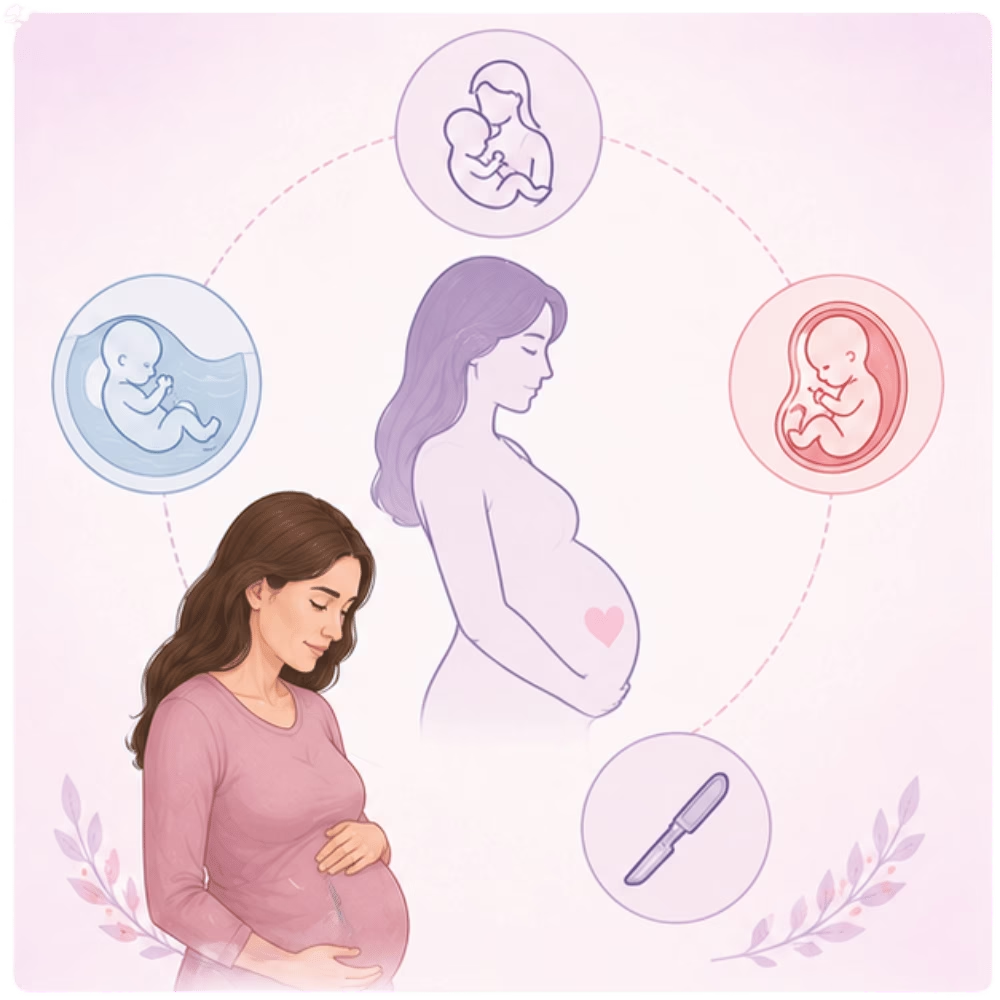
Preparing you for one of life’s most important moments
Did you know?
Services
Birthing Services We OfferDifferent birth pathways, one priority: safe and respectful care
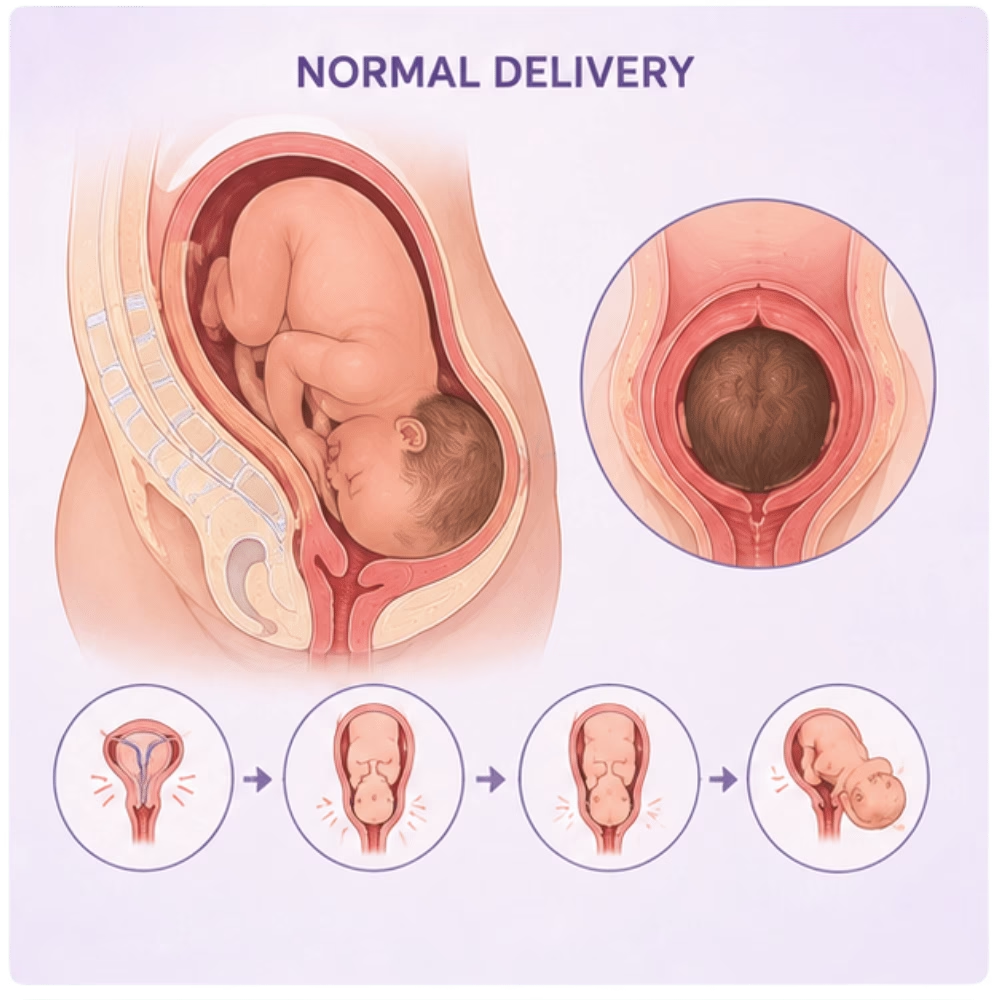
Normal Delivery
What it is
When is it required
What to expect
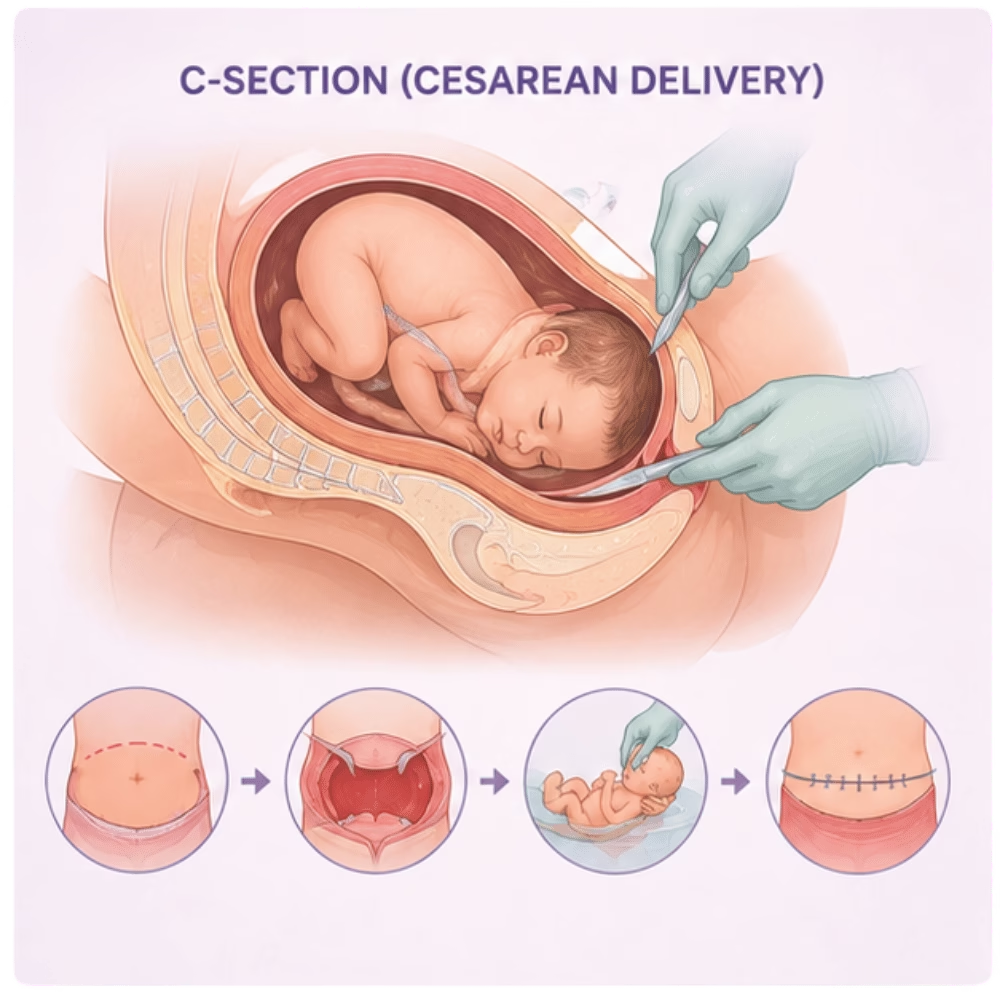
C-Section / Caesarean Delivery
What it is
When is it required
What to expect
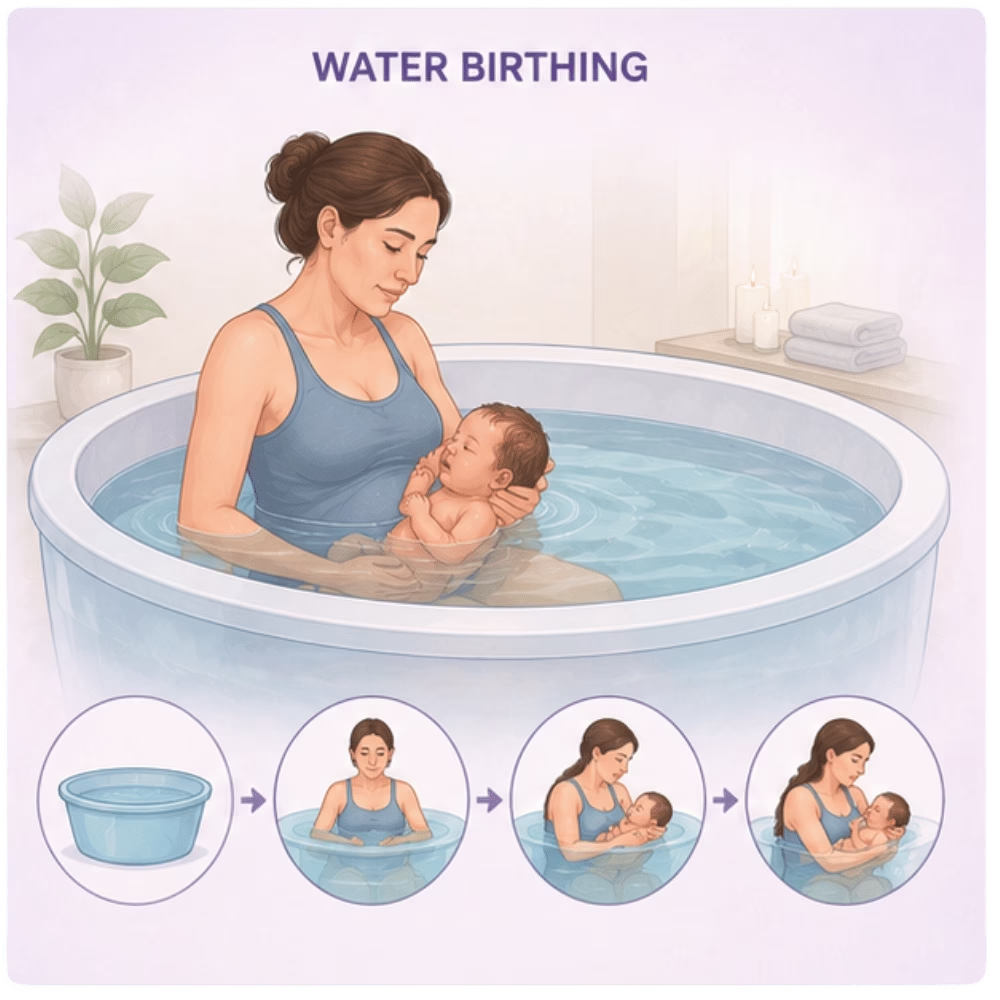
Water Birthing
What it is
When is it required
What to expect

Meet Dr. Rutuja M. Narvekar
Why choose us?
Care that puts you first, at every stage.
From your first consultation to pregnancy, motherhood and beyond, our approach combines medical expertise, evidence-based care and genuine attention to your individual needs.
















What Our Patients Say
Frequently Asked Questions (FAQs)
Can I choose which delivery to have?
Your preferences are an important part of childbirth discussions, but the safest mode of delivery also depends on your pregnancy and clinical circumstances. Some women can safely plan for vaginal birth, while others may have medical reasons that make Caesarean delivery safer. Dr. Rutuja discusses the benefits, risks and alternatives relevant to your situation so that you can make an informed decision. If circumstances change during labour, the recommended mode of delivery may also need to change.
Does a C-Section mean I could not have a normal delivery?
No. A Caesarean delivery is not a measure of whether you succeeded or failed at childbirth. Sometimes a C-section is the safest option for the mother or baby. Reasons can include concerns about fetal wellbeing, labour not progressing appropriately, certain fetal positions or other maternal and pregnancy-related factors. A previous Caesarean also does not automatically determine the mode of every future birth; the options should be discussed with your obstetrician based on your individual history.
Is normal delivery always safer than a C-Section
Neither mode of birth is automatically safer for every woman. Vaginal birth can avoid abdominal surgery, while a Caesarean can be an important and sometimes life-saving procedure when there is a medical indication. The safest option depends on your health, your baby’s condition, pregnancy complications, labour progress and other clinical factors. Dr. Rutuja’s role is to help you understand these factors and recommend the safest approach for your specific pregnancy.
Can I have a water birth?
Water immersion may be an option for some women with uncomplicated pregnancies, depending on the facility, pregnancy stage and clinical circumstances. However, it is important to distinguish between labouring in water and giving birth underwater. Evidence supports potential benefits of immersion during the first stage of labour for selected women, but evidence for underwater birth is less established. Dr. Rutuja can discuss whether water immersion is appropriate for your pregnancy and explain the facilities and safety protocols available.
Does labouring in water reduce pain?
Water immersion can help some women feel more relaxed and comfortable during labour. Research has also found an association between first-stage water immersion and reduced use of some forms of pain medication in selected women. However, the experience differs between individuals, and water immersion should not be presented as a guaranteed way to eliminate labour pain. Your doctor can discuss other pain-relief options as part of your birth planning.