
Confidential care for intimate health concerns

Infection Screening & Treatment

Burning, unusual discharge, itching, urinary discomfort or concerns about sexual health can be difficult to talk about. Dr. Rutuja provides confidential, evidence-based evaluation and treatment for common gynaecological infections.
Infections screening and treatment | Shree Women's Clinic
0
Years of Experience
0
Pregnancies Managed
0
Patients Cared For

Don’t ignore symptoms because they feel uncomfortable to discuss

Gynaecological and urinary infections are common, and they can affect women at any age. Symptoms such as vaginal discharge, itching, burning while urinating, pelvic discomfort or changes in vaginal odour can have several different causes.
Importantly, not every unusual symptom means you have an infection. Vaginal discharge, for example, can change naturally during the menstrual cycle, while other changes may be caused by an infection, hormonal changes or another gynaecological condition.

Did you know?

Vaginal discharge is not always a sign of infection.
Normal vaginal discharge can vary in amount, colour and consistency during the menstrual cycle. However, a new change accompanied by a strong or unusual odour, itching, burning, pain or irritation deserves medical evaluation.

Infection Screening & TreatmentUnderstand the cause before treating the symptom
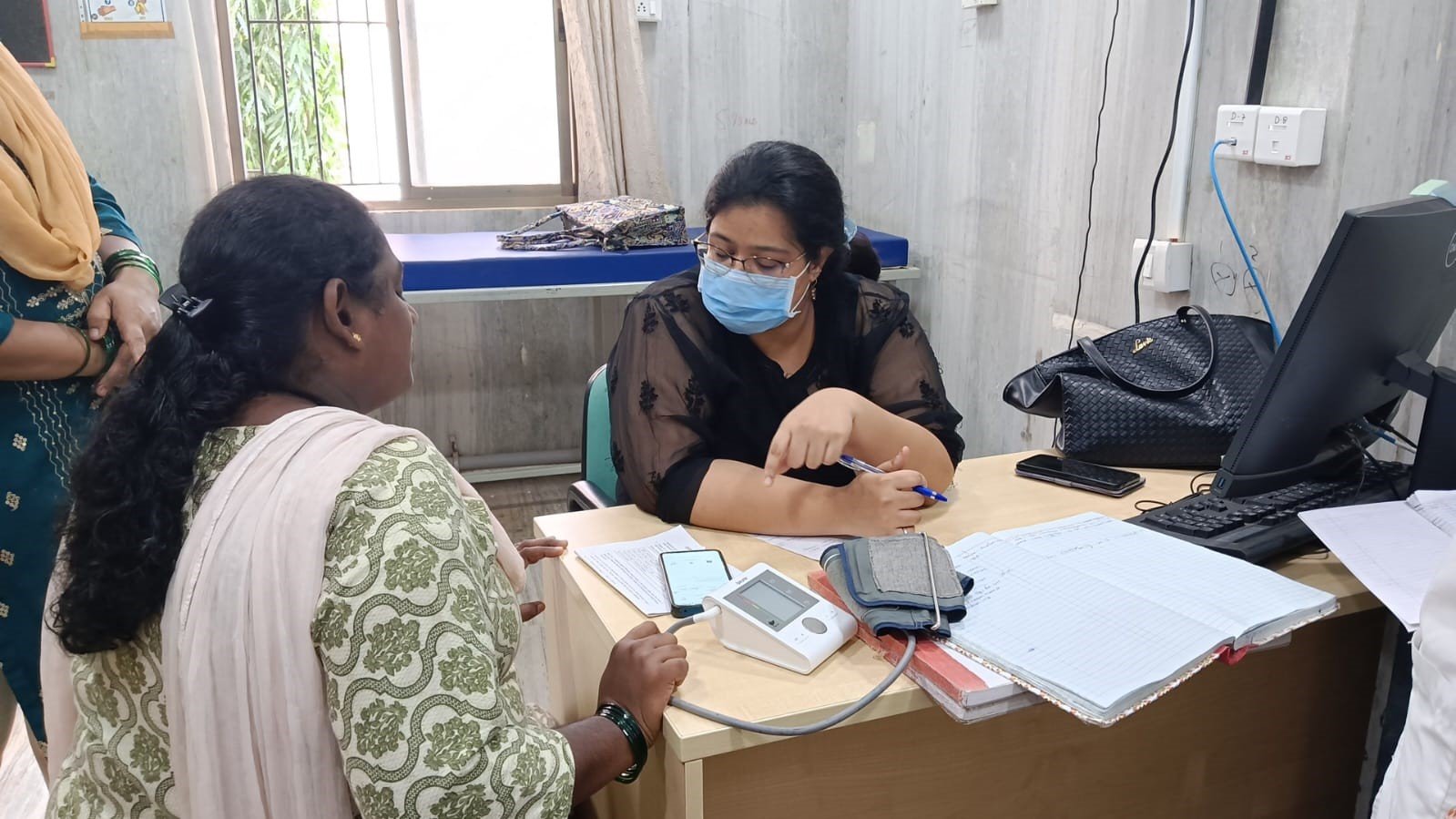
Dr. Rutuja considers your symptoms, medical history, examination findings and relevant exposure or risk factors before recommending testing or treatment.
UTI Infections screening and treatment | Shree Women's Clinic

Urinary Tract Infections (UTI)

What it is
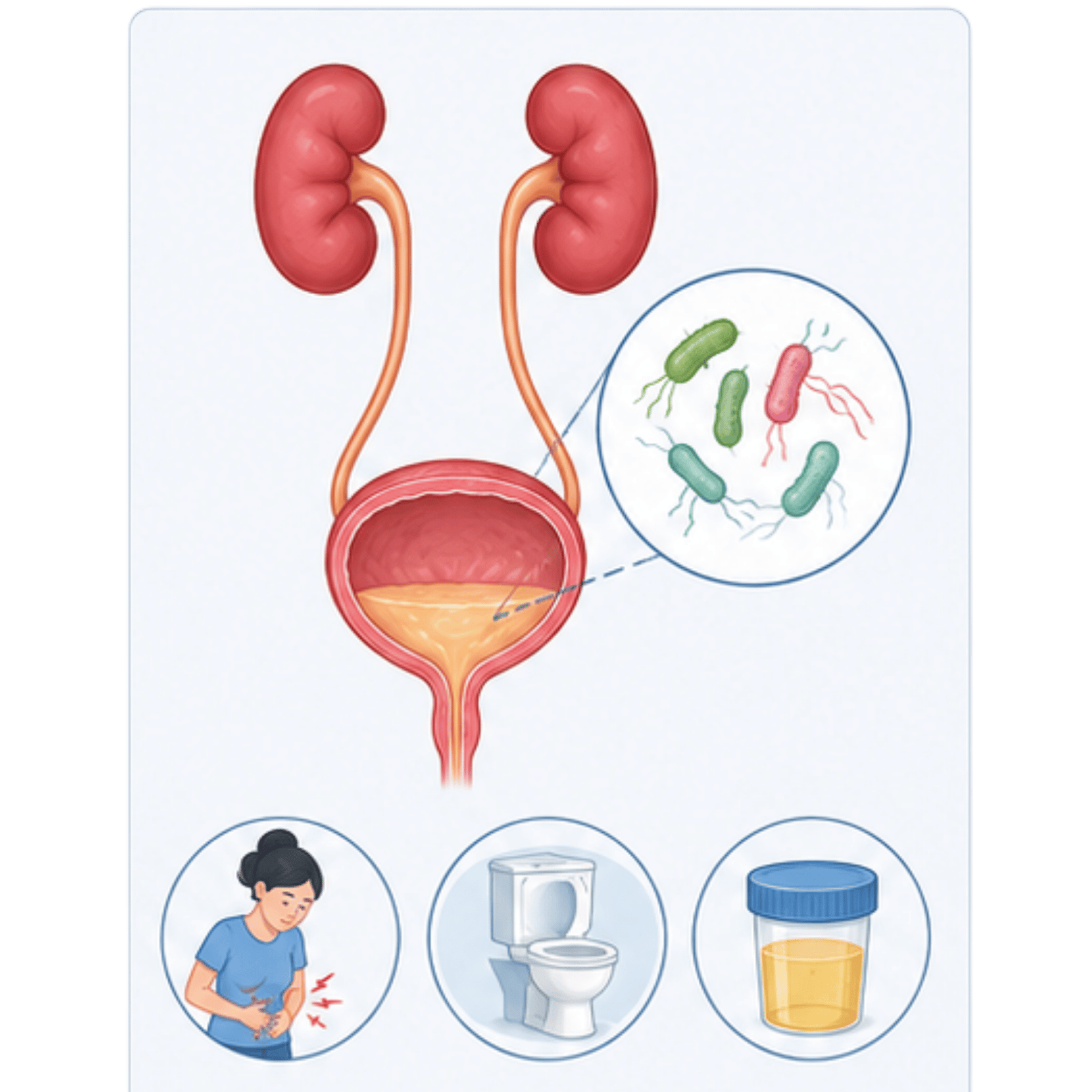
A urinary tract infection (UTI) occurs when microorganisms infect part of the urinary system. A bladder infection is one of the most common forms of UTI.
Common symptoms: Burning or pain while urinating, Frequent urge to urinate, Passing small amounts of urine frequently, Lower abdominal discomfort, Cloudy or unusual-smelling urine, Blood in the urine in some cases
When is it required
Seek an evaluation if urinary symptoms are persistent, recurrent or severe, particularly if you develop fever, back or side pain, vomiting or feel significantly unwell.
What to expect
Dr. Rutuja assesses your symptoms and may recommend a urine test or other investigation when appropriate. Treatment depends on the suspected or confirmed cause and your individual circumstances.

Sexually Transmitted Infections

What it is
Sexually transmitted infections (STIs) are infections that can spread through sexual contact. Some may cause obvious symptoms, while others can remain unnoticed. Examples include infections caused by chlamydia, gonorrhoea, syphilis, trichomoniasis and certain types of HPV, among others.
When is it required
Consider STI screening if you have symptoms, a new sexual partner, concerns following unprotected sexual contact, a partner diagnosed with an STI or another reason to believe you may have been exposed.
What to expect
Dr. Rutuja discusses your symptoms and concerns privately and recommends appropriate testing based on your individual circumstances. Treatment depends on the specific infection, and partner evaluation or treatment may sometimes be necessary. There is no judgement attached to STI testing. It is simply healthcare.
STIs Infections screening and treatment | Shree Women's Clinic
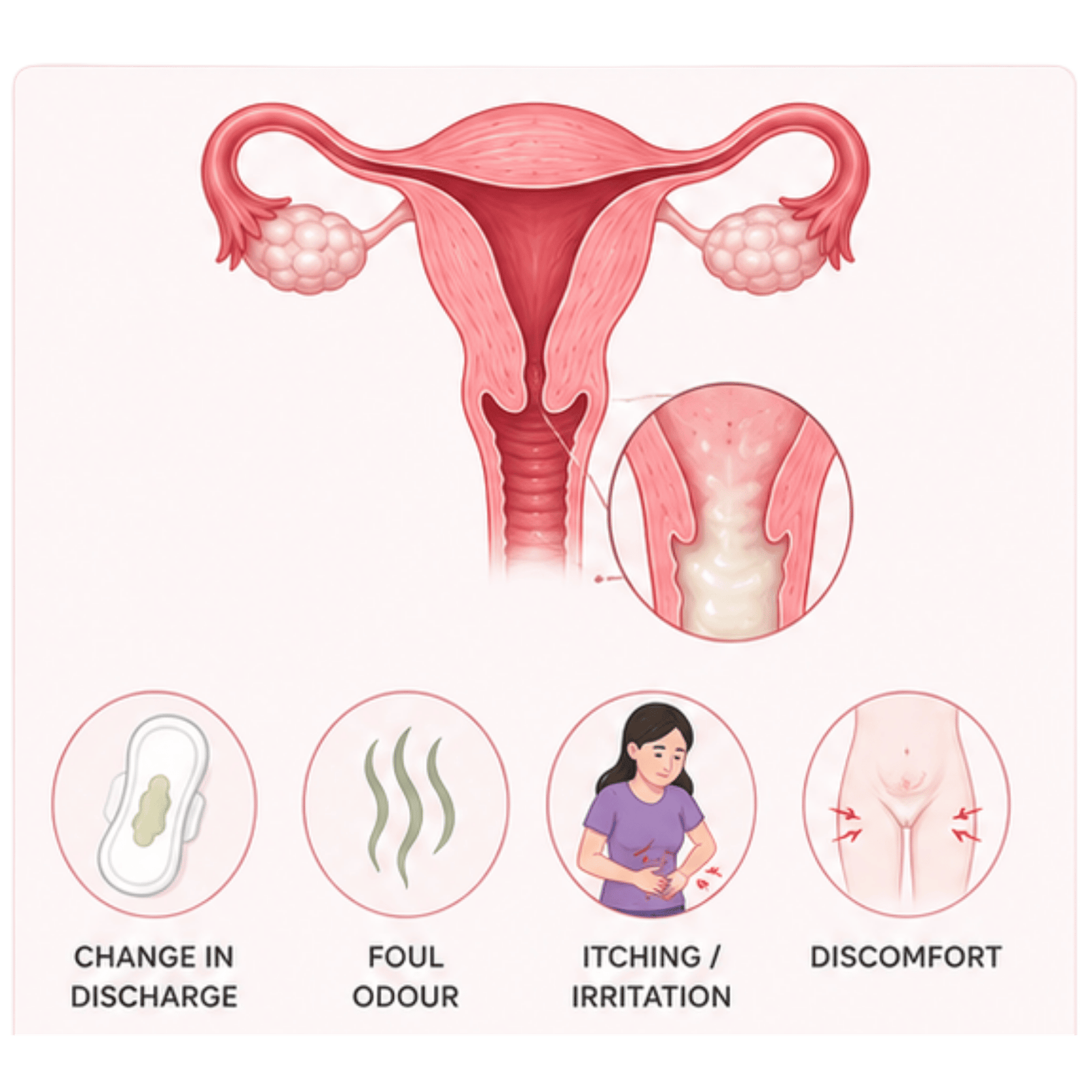
Vaginal discharge Infections screening and treatment | Shree Women's Clinic

Vaginal Discharge

What it is
Vaginal discharge is a normal part of reproductive health. However, a sudden change in discharge may indicate an infection or another underlying condition.
When is it required
An evaluation is appropriate if discharge becomes unusually heavy, changes colour, develops a strong or unusual odour or occurs with itching, burning, pelvic pain or discomfort.
What to expect
Dr. Rutuja evaluates the discharge alongside your other symptoms rather than assuming that every change is an infection. Depending on your symptoms, examination and appropriate testing may help identify conditions such as bacterial vaginosis, candidiasis, trichomoniasis or sexually transmitted infections.

HPV Testing

What it is
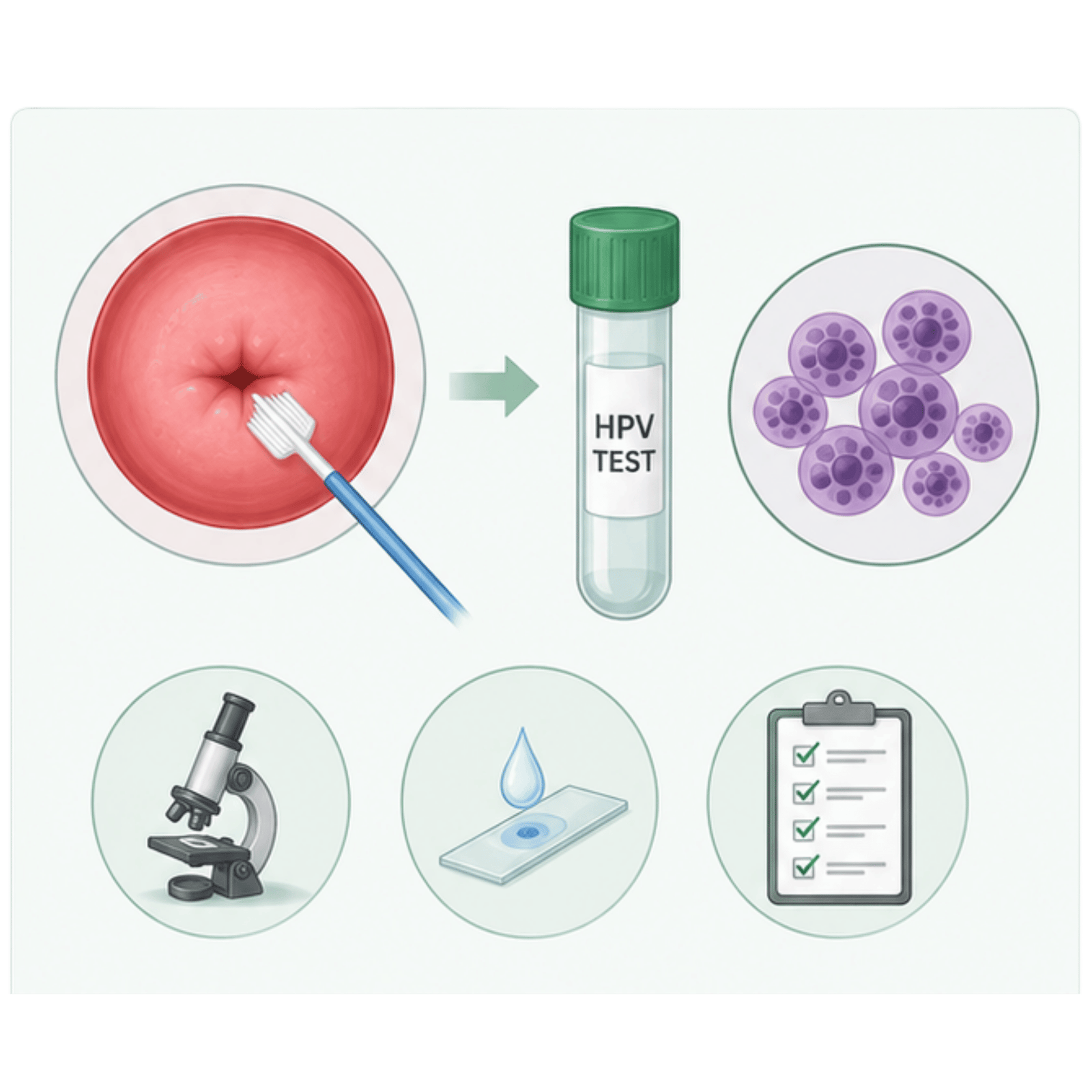
Human papillomavirus (HPV) is a very common viral infection. Certain high-risk HPV types can cause changes in cervical cells and are associated with cervical cancer.
When is it required
HPV testing may form part of cervical cancer screening depending on your age, previous screening results and applicable screening guidelines. It may also be recommended in specific clinical situations.
What to expect
Dr. Rutuja reviews your screening history and explains whether HPV testing or another form of cervical screening is appropriate for you. If an abnormal result is detected, she can explain the next steps and whether further evaluation is needed.
HPV testing Infections screening and treatment | Shree Women's Clinic
Dr. Rutuja Narvekar | Gynaecologist in Vile Parle, Mumbai | Shree Women's Clinic

Meet Dr. Rutuja M. Narvekar

Evidence-based treatment with a patient-centred approach.
Dr. Rutuja M. Narvekar is a highly qualified Obstetrician & Gynaecologist, Laparoscopic Surgeon and Fertility Specialist, committed to providing personalised, evidence-based care across every stage of a woman’s life.
Her qualifications are affiliated with the Maharashtra University of Health Sciences, and she brings over 7 years of dedicated experience in Obstetrics & Gynaecology.
Her clinical practice is guided by a patient-centred approach, where medical expertise, individual needs and shared decision-making come together to create a comfortable and informed healthcare experience.

Why choose us?

Your health, your comfort, your confidence – our commitment at every stage.
10,000+ patient experience
2,500+ pregnancies managed
Advanced Gynecological evaluation and treatment
Women Wellness Clinic – Comprehensive Women’s healthcare & One stop for all female concerns
Expert Pregnancy Care
Patient Education & Shared decision making.
Direct communication with the doctor for concerns
Compassionate Personalized care with Evidence based treatment approach
OUR Approach

Care that puts you first, at every stage.

From your first consultation to pregnancy, motherhood and beyond, our approach combines medical expertise, evidence-based care and genuine attention to your individual needs.


Patient-Centered Care
Evidence-Based Practice
Personalized Treatment
Compassionate Guidance
Testimonials

What Our Patients Say

Frequently Asked Questions (FAQs)

How do I know if my vaginal discharge is normal?

Normal vaginal discharge can vary throughout the menstrual cycle and may be clear, white or slightly cloudy without a strong unpleasant odour. The amount and consistency can also change around ovulation and other hormonal stages. A new change accompanied by strong odour, itching, burning, pelvic pain, unusual colour or bleeding should be evaluated.

Can a UTI go away on its own?

Some mild urinary symptoms may improve, but you should not assume that a suspected UTI will always resolve without treatment. The appropriate approach depends on your symptoms, medical history and whether you have risk factors or complications. This is particularly important during pregnancy. If you have fever, back or side pain, vomiting, blood in your urine or feel significantly unwell, seek medical attention promptly.

Can I have an STI without symptoms?

Yes. Some sexually transmitted infections can produce few or no obvious symptoms, particularly in their early stages. This means that feeling completely well does not always rule out an STI. Testing may therefore be appropriate after certain exposures or when a partner has been diagnosed with an STI. Dr. Rutuja can discuss your circumstances confidentially and recommend relevant testing.

Will an STI affect my ability to have children?

Some untreated STIs, particularly certain bacterial infections such as chlamydia and gonorrhoea, can lead to complications including pelvic inflammatory disease and may affect fertility. However, an STI diagnosis does not automatically mean that you will have fertility problems. Early testing and appropriate treatment can help reduce the risk of complications. If you have concerns about previous infections and future fertility, Dr. Rutuja can discuss your individual history and reproductive plans.

Is HPV same as cervical cancer?

No. HPV is a very common viral infection, and most infections do not lead to cancer. However, persistent infection with certain high-risk HPV types can cause changes in cervical cells that may eventually develop into cervical cancer if they are not identified and managed. HPV vaccination and appropriate cervical screening help reduce this risk. An HPV-positive result therefore does not mean that you have cervical cancer.

Book Your Consultation Today

Take the Next Step Towards Better Women’s Health

Whether you are planning a pregnancy, managing a gynaecological concern or simply looking after your long-term health, expert care is just an appointment away.