

Menopause Services
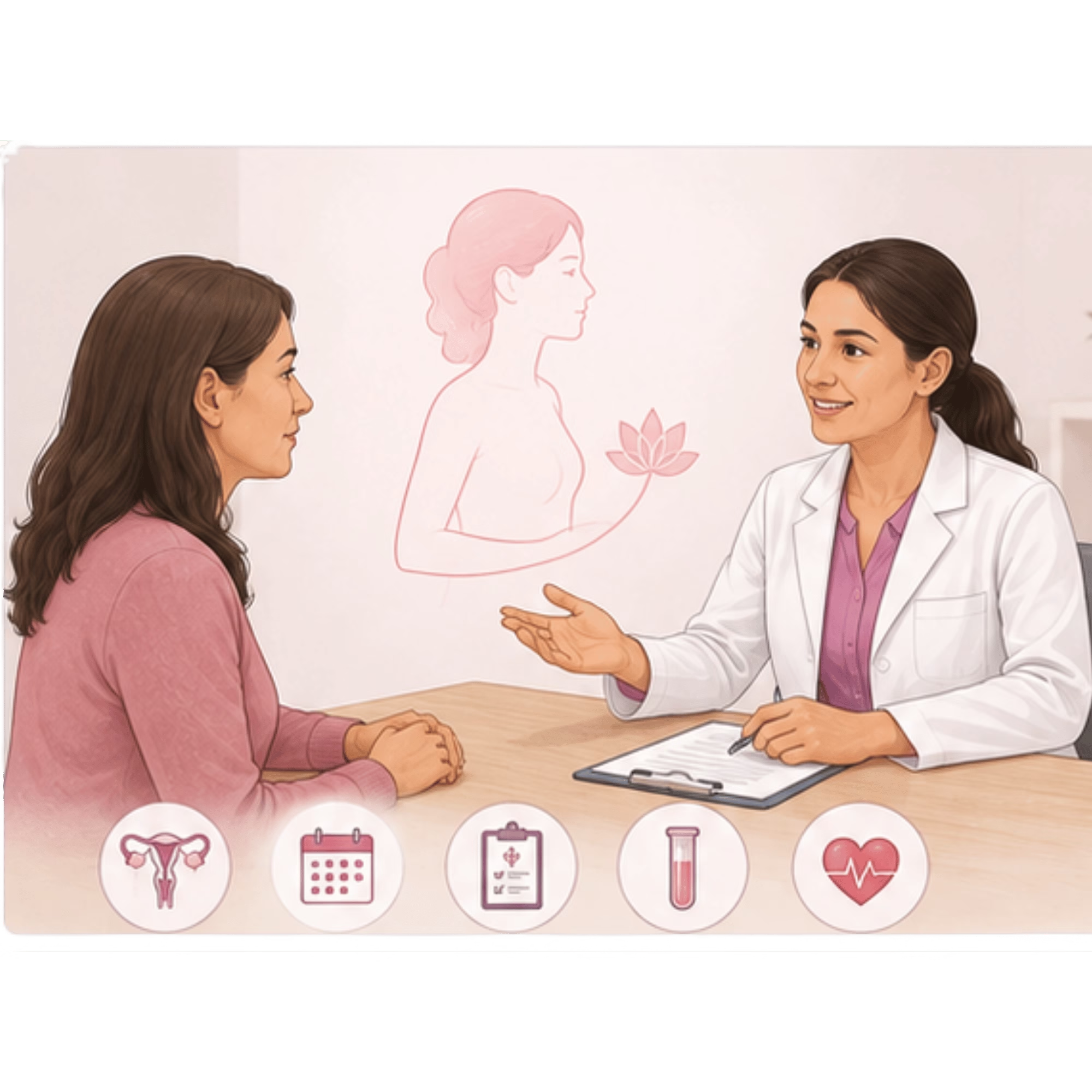
What is Menopause?
- Irregular or changing periods
- Hot flashes
- Night sweats
- Sleep difficulties
- Mood changes
- Anxiety or irritability
- Vaginal dryness
- Pain during sex
- Reduced sexual desire
- Urinary symptoms
- Difficulty concentrating
- Joint or muscle discomfort
Your health deserves attention at every age
Did you know?
Services
Services We OfferPersonalised care for the symptoms that matter to you
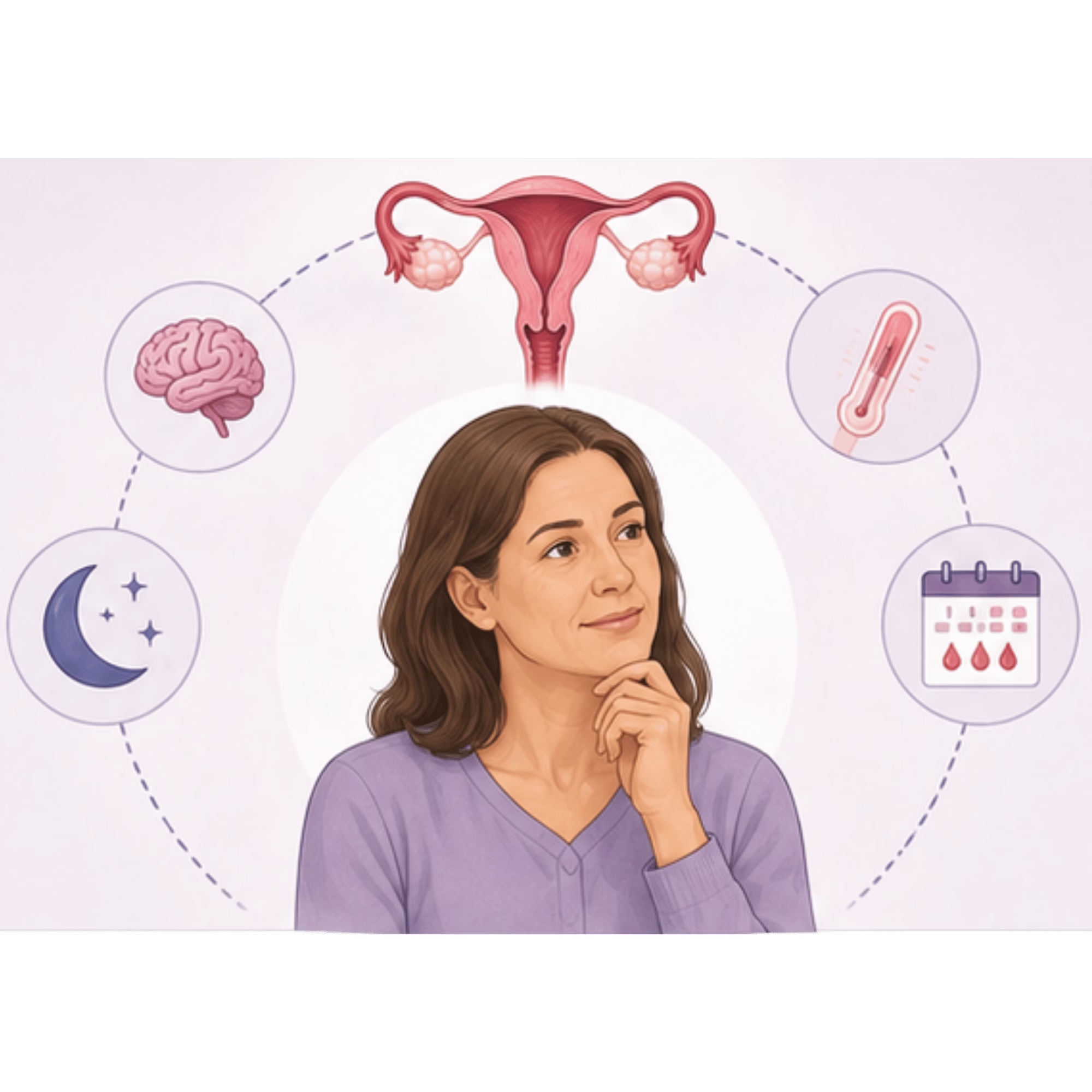
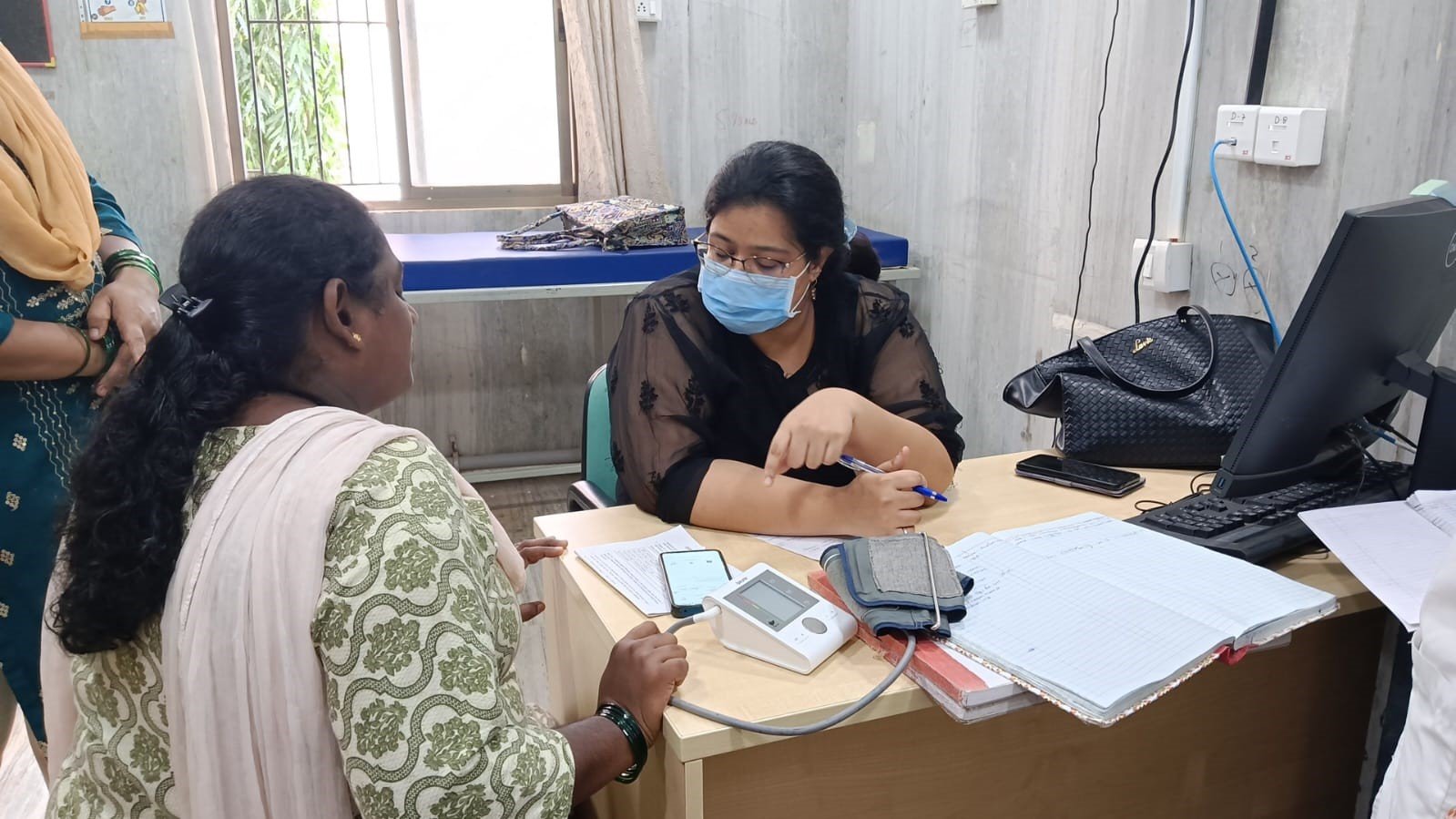
Menopause Consultation
What it is
When is it required
What to expect
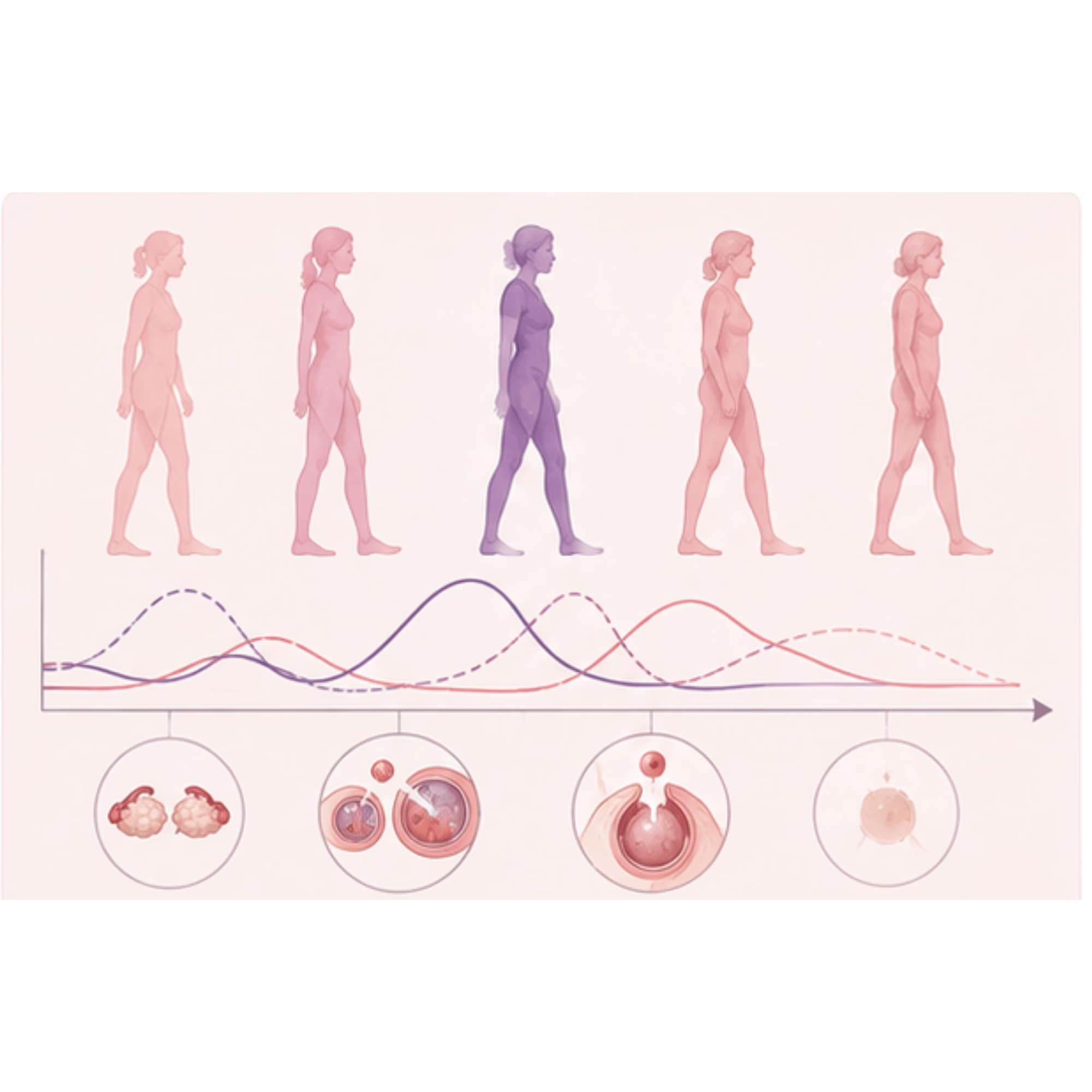
Perimenopause Care
What it is
When is it required
What to expect
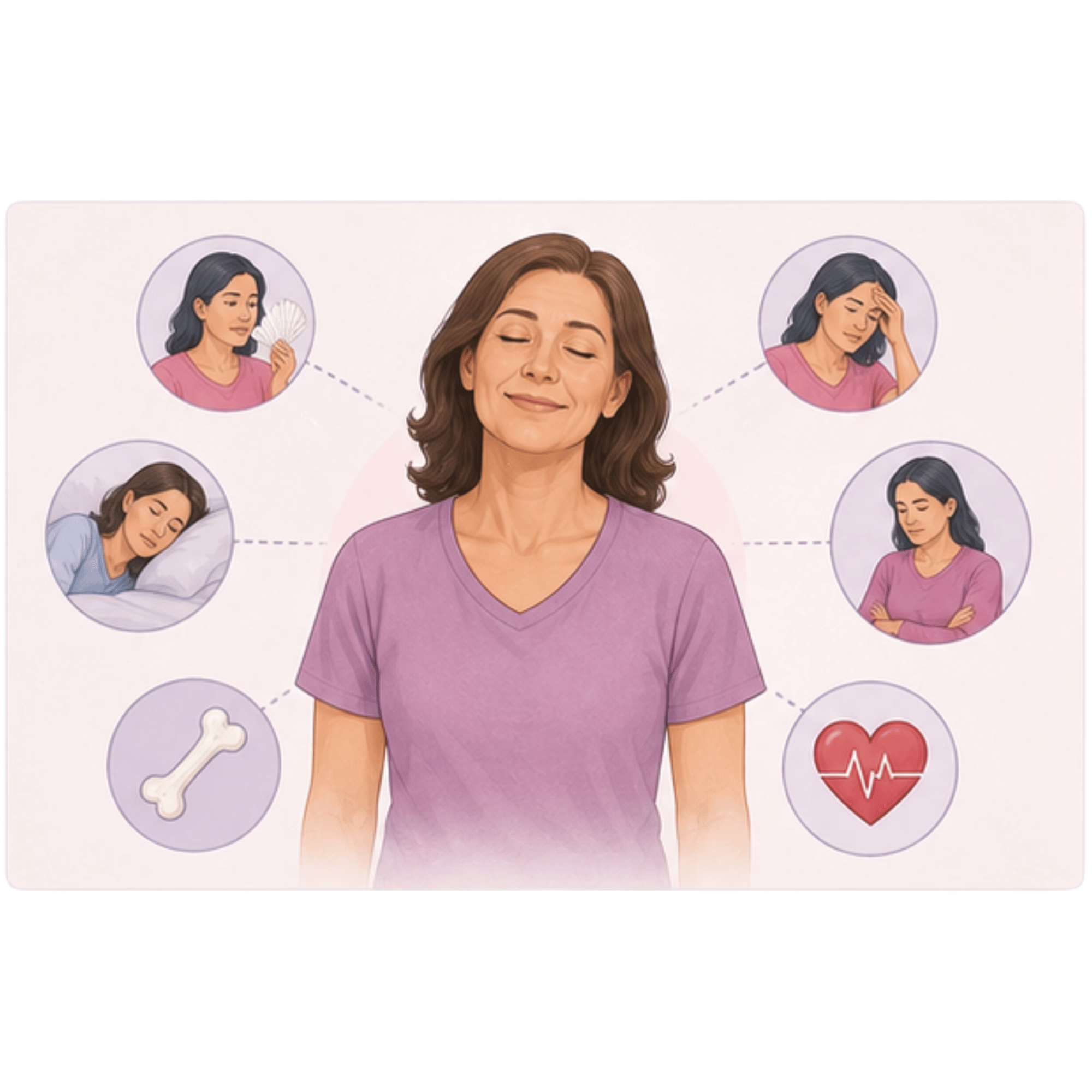
Menopause Symptom Management
What it is
When is it required
What to expect
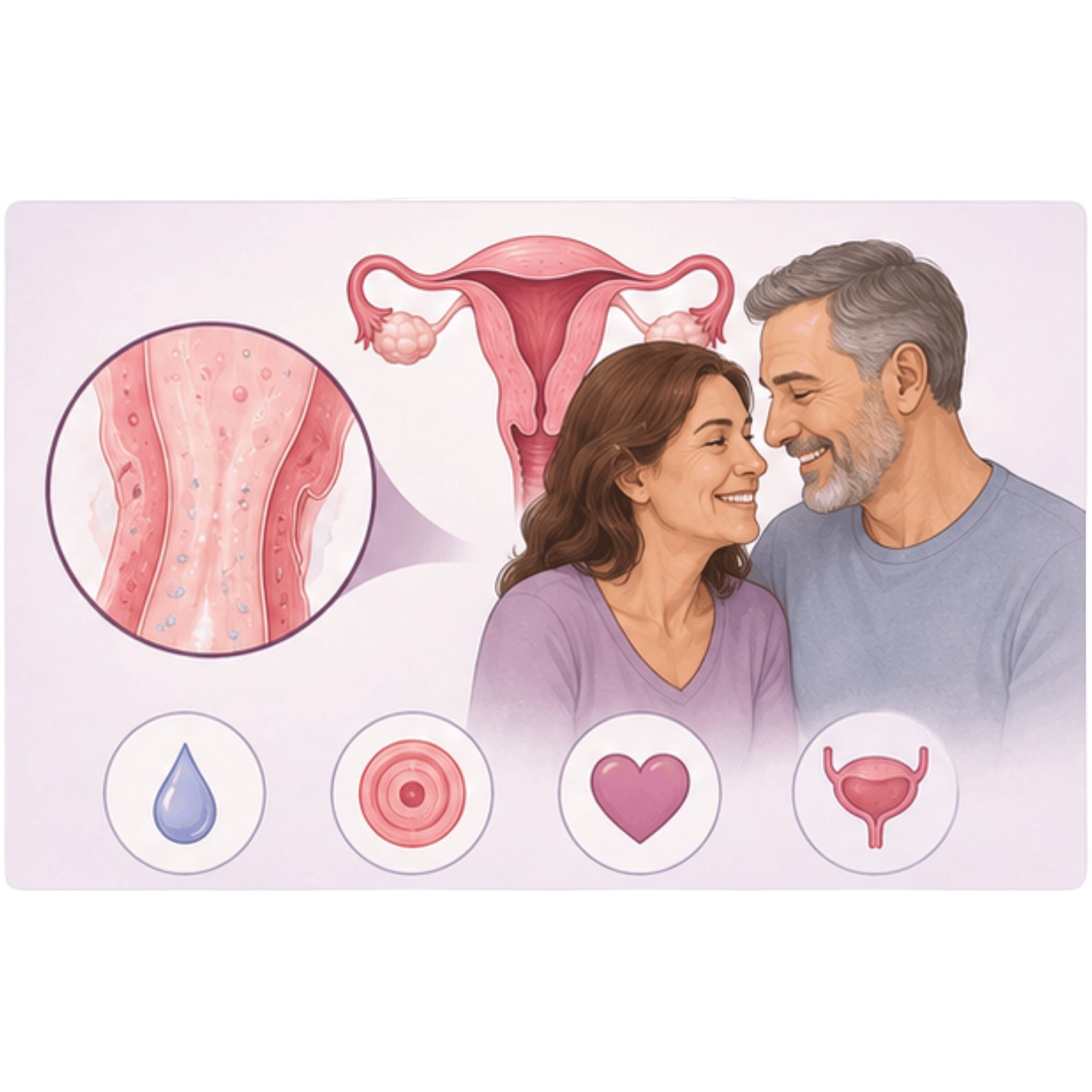
Vaginal & Sexual Health During Menopause
What it is
When is it required
What to expect

Bone & Long-Term Health
What it is
When is it required
What to expect

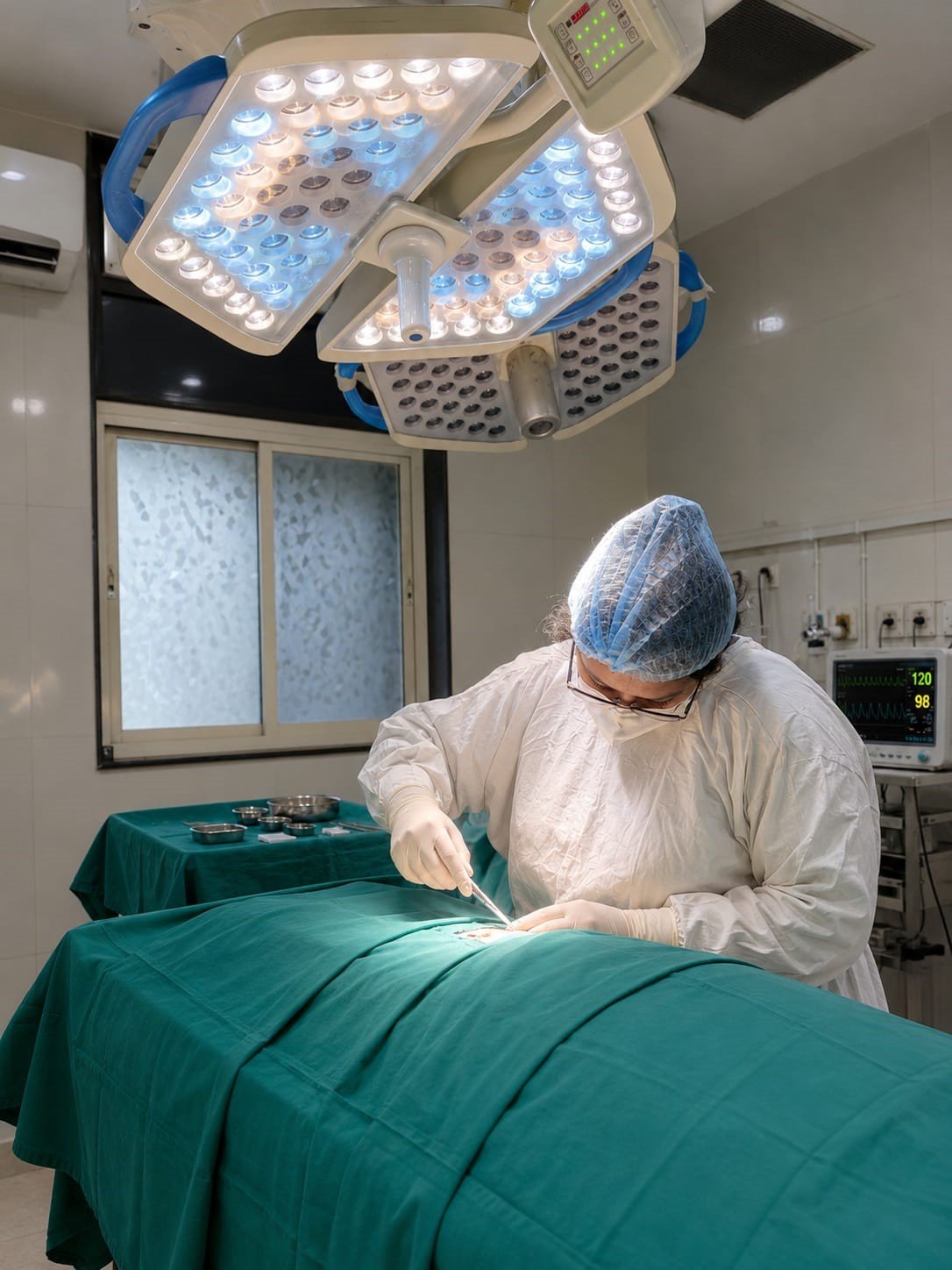
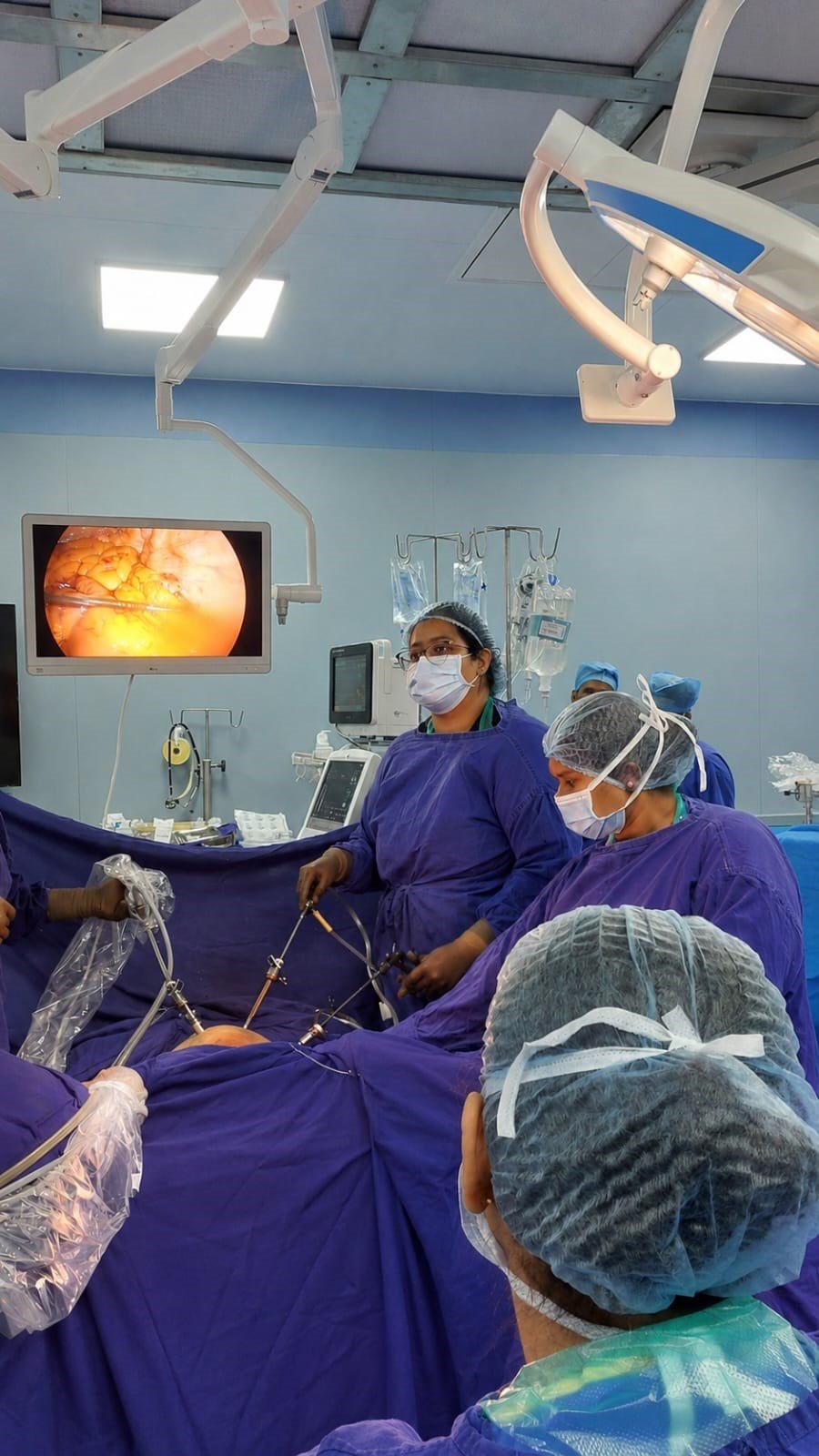
Meet Dr. Rutuja M. Narvekar
Why choose us?
Care that puts you first, at every stage.
From your first consultation to pregnancy, motherhood and beyond, our approach combines medical expertise, evidence-based care and genuine attention to your individual needs.





















What Our Patients Say
Frequently Asked Questions (FAQs)
What is the difference between perimenopause and menopause?
Perimenopause is the transition leading up to menopause. During this stage, ovarian hormone levels fluctuate and periods can become irregular. Symptoms such as hot flashes, sleep problems and mood changes may begin during this period. Menopause itself is diagnosed retrospectively after a woman has gone 12 consecutive months without a menstrual period, when there is no other obvious cause. The timing of this transition varies considerably between women.
Do all women need treatment for menopause?
No. Menopause itself is a natural life stage and does not automatically require medication. However, some women experience symptoms that significantly affect their quality of life or have health concerns that require attention. Treatment is based on symptoms, health history, personal preferences and individual risk factors. Dr. Rutuja can help you understand whether you need treatment, monitoring or simply guidance through the transition.
Can menopause cause weight gain?
Changes in body composition and weight can occur around midlife, but menopause is not the only factor. Ageing, reduced muscle mass, physical activity, sleep, diet and metabolic changes can all contribute. Rather than following restrictive diets, sustainable nutrition, regular physical activity and appropriate strength training can support healthy weight management. Dr. Rutuja can discuss your individual concerns and help distinguish normal changes from issues that need further evaluation.
Is bleeding after menopause normal?
No. Once menopause has occurred, any vaginal bleeding should be evaluated by a healthcare professional. There can be several causes, many of which are not serious, but postmenopausal bleeding can sometimes be associated with conditions that need investigation. It should therefore not simply be assumed to be another period or a normal menopausal symptom.