

Postpartum Services

Your recovery deserves care too
Did you know?
Services
Postpartum Services We OfferSupport for recovery, confidence and your new routine

Postpartum Counselling
What it is
When is it required
What to expect
Lactation Care
What it is
When is it required
What to expect


Meet Dr. Rutuja M. Narvekar
Why choose us?
Care that puts you first, at every stage.
From your first consultation to pregnancy, motherhood and beyond, our approach combines medical expertise, evidence-based care and genuine attention to your individual needs.

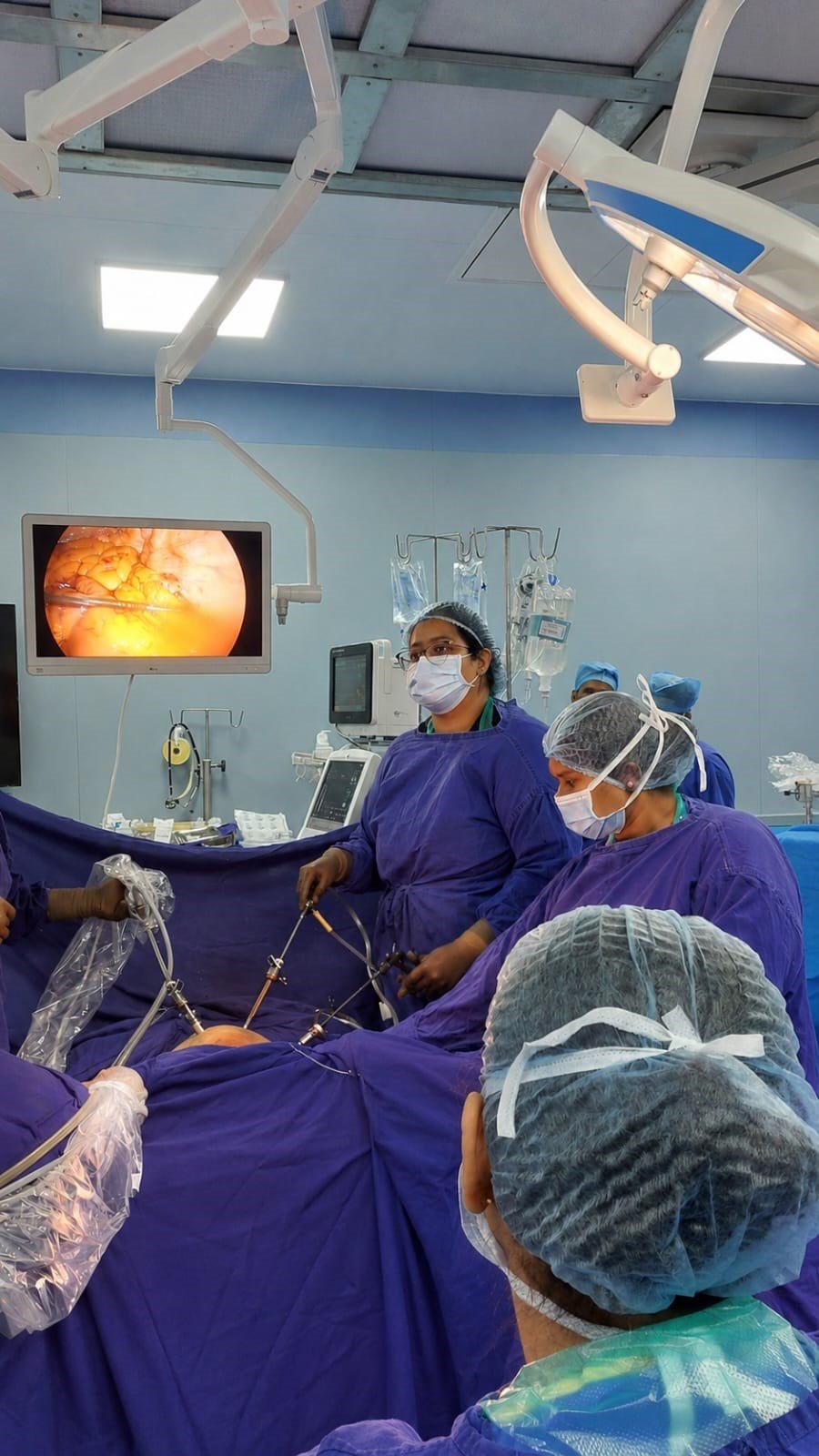
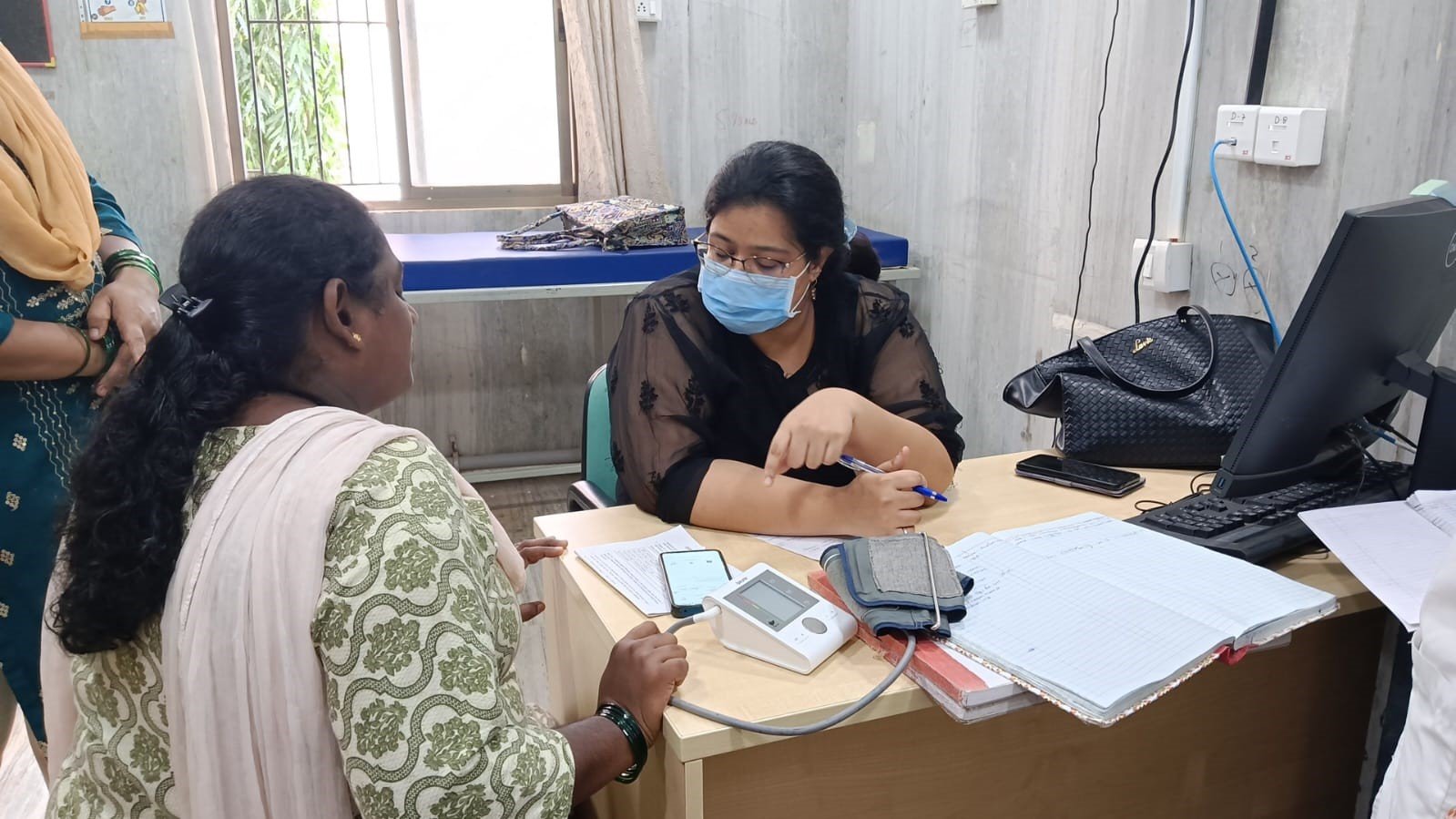

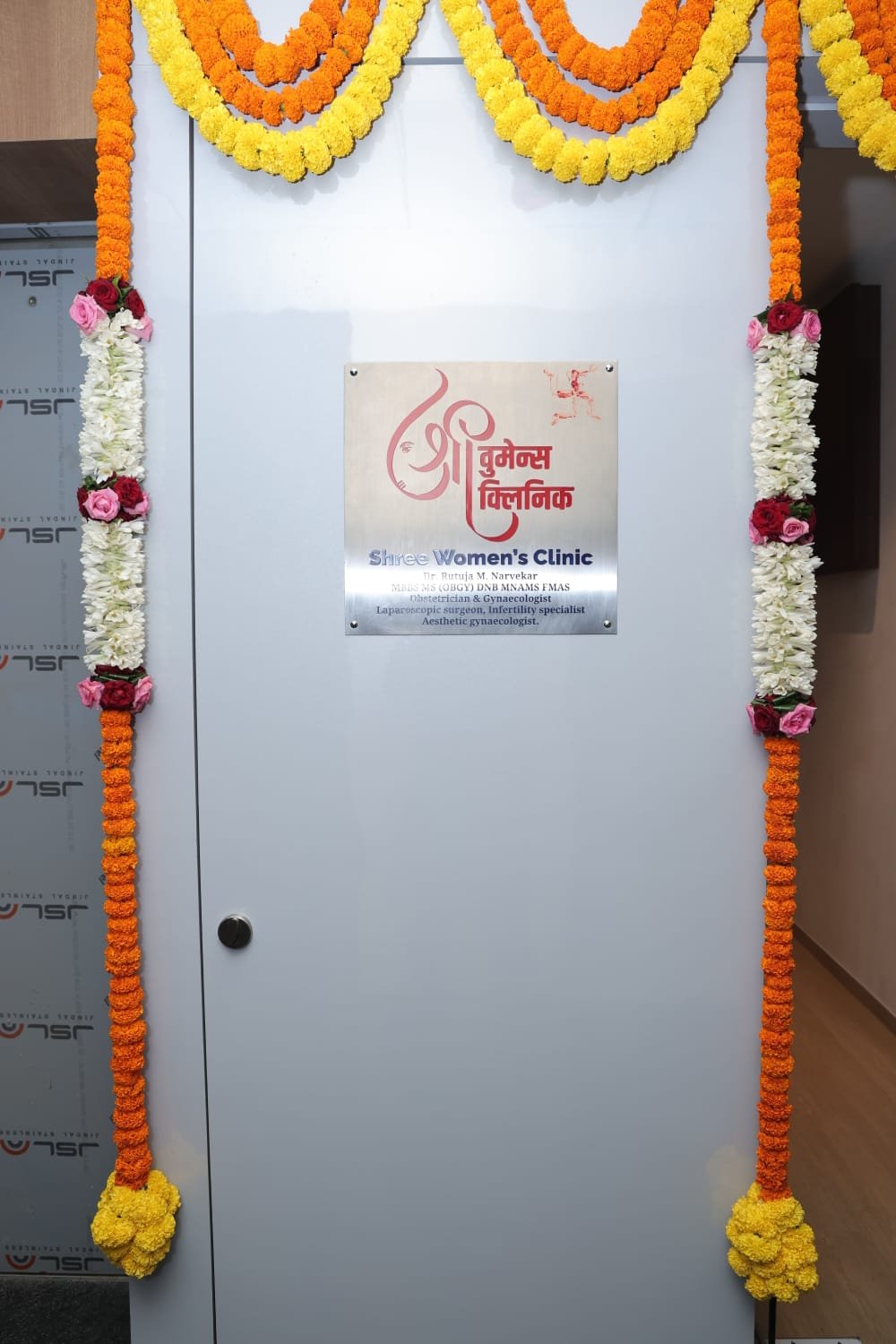




















What Our Patients Say
Frequently Asked Questions (FAQs)
When should I have my postpartum check-up?
The timing of postpartum follow-up depends on your delivery, medical history and individual recovery. Some mothers may need earlier review, particularly after a Caesarean delivery or if they have a medical condition or symptoms requiring closer monitoring. Postpartum care should not be limited to one appointment; additional consultations may be appropriate depending on your recovery and concerns. Dr. Rutuja can recommend a follow-up schedule based on your individual needs.
What happens during my postpartum consultation?
A postpartum consultation is an opportunity to discuss both physical recovery and your overall wellbeing. Dr. Rutuja may review your bleeding, pain, wound or vaginal recovery, breastfeeding experience, nutrition, sleep, emotional wellbeing, contraception and other concerns. If you have specific symptoms, she can assess whether further examination, investigation or treatment is required.
Is it normal to feel emotional after giving birth?
Emotional changes are common after childbirth because of hormonal changes, physical recovery, sleep disruption and the major adjustment involved in caring for a newborn. However, persistent sadness, severe anxiety, inability to cope, loss of interest in usual activities or thoughts of self-harm or harming the baby should not be dismissed as simply part of motherhood. These symptoms may indicate a postpartum mental health condition and deserve professional support. Dr. Rutuja can help assess your concerns and guide you towards appropriate care.
What if I am having difficulty breastfeeding?
Breastfeeding difficulties are common, particularly during the early weeks. Problems can involve positioning, attachment, nipple pain, breast fullness, feeding patterns or concerns about milk supply. Early support can help identify what may be contributing to the difficulty. Dr. Rutuja can discuss your feeding concerns and provide appropriate guidance or coordinate additional lactation support when needed.
How do I know if my baby is getting enough breast milk?
Signs of adequate feeding can include appropriate feeding behaviour, swallowing during feeds, satisfactory urine output and appropriate weight gain. However, feeding patterns vary, particularly during the early days and weeks. If you are concerned that your baby is not feeding effectively, seems unusually sleepy during feeds, has fewer wet nappies than expected or is not gaining weight appropriately, speak with your paediatrician or lactation professional rather than relying only on how full your breasts feel.