
Understand your hormones. Understand your body.

PCOS / PCOD / PMOS

PCOS can affect your periods, skin, weight, fertility and overall wellbeing. Dr. Rutuja M. Narvekar provides personalised evaluation and long-term PCOS care based on your symptoms, health goals and individual needs.
PCOS PCOD | Shree Women's Clinic
0
Years of Experience
0
Pregnancies Managed
0
Patients Cared For
What is PCOS?

A hormonal condition with different faces

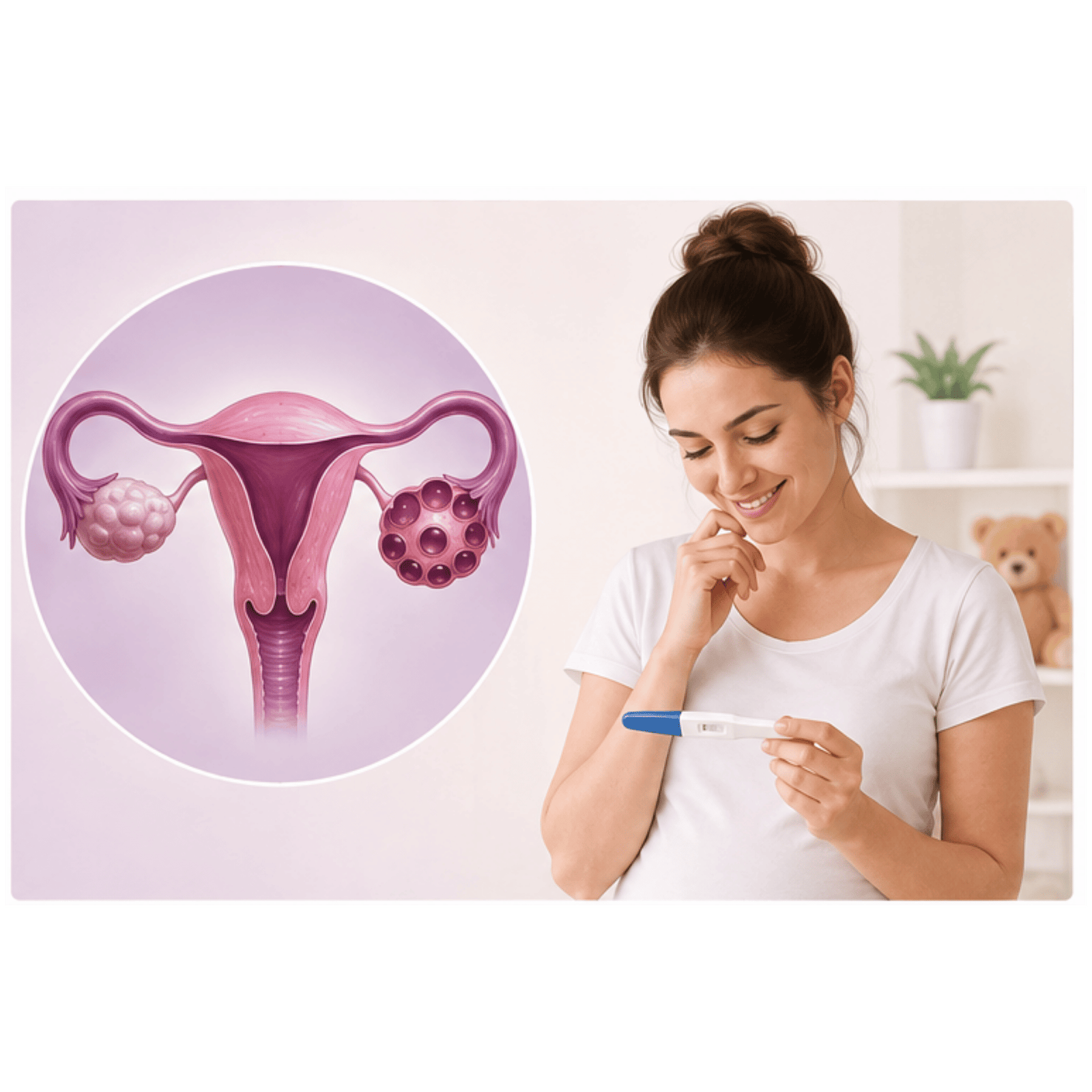
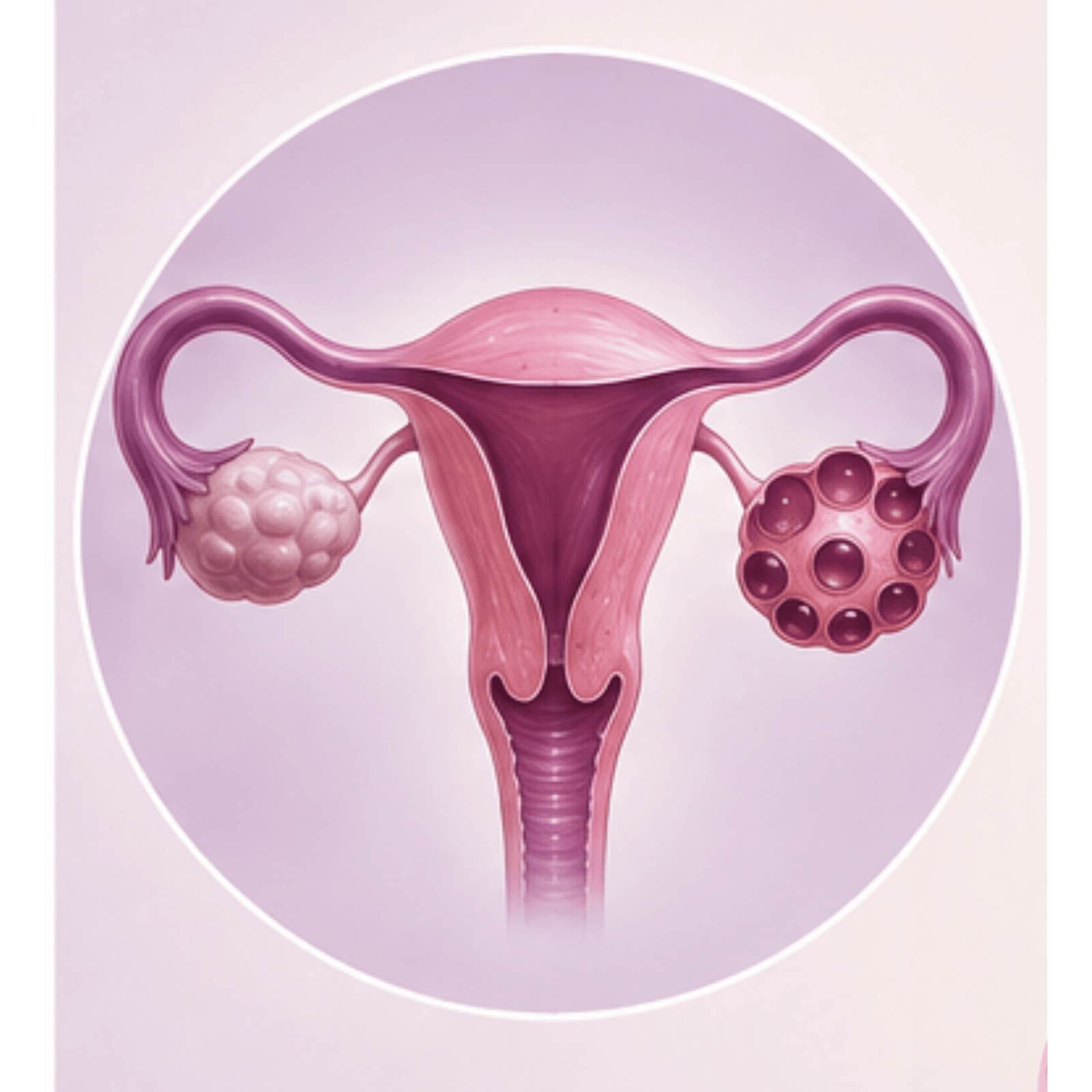
Polycystic Ovary Syndrome (PCOS) is a hormonal and metabolic condition that can affect ovulation and androgen levels.
In simple terms, the hormonal signals involved in ovulation may become irregular. This can result in irregular periods, difficulty ovulating and symptoms related to higher androgen activity.
PCOS can also be associated with insulin resistance and an increased long-term risk of certain metabolic conditions.
Common symptoms may include:
  • Irregular or missed periods
  • Heavy or unpredictable periods
  • Acne or oily skin
  • Excess facial or body hair
  • Hair thinning or hair loss
  • Difficulty with weight management
  • Difficulty conceiving
  • Darkening of skin in certain areas
  • Mood or emotional concerns

Your symptoms are connected

PCOS is a common hormonal condition that can affect women during their reproductive years. It may influence menstrual cycles, ovulation, androgen levels, skin, hair, weight and fertility.
However, PCOS does not look the same in every woman.
Some women mainly experience irregular periods. Others may notice acne, unwanted facial hair, hair thinning, difficulty with weight management or challenges with conception. Some women may have very few obvious symptoms.

Did you know?

You can have PCOS without having ovarian cysts.
Despite its name, polycystic ovary syndrome does not mean that a woman must have ovarian cysts. The diagnosis is based on a combination of clinical features, hormone-related findings and, when appropriate, ultrasound findings. Therefore, an ultrasound alone does not diagnose PCOS.

PCOS / PCOD Care We OfferYour symptoms deserve an individualised plan
Irregular periods and hormonal imbalance | Shree Women's Clinic

Irregular Periods & Hormonal Imbalance

What it is
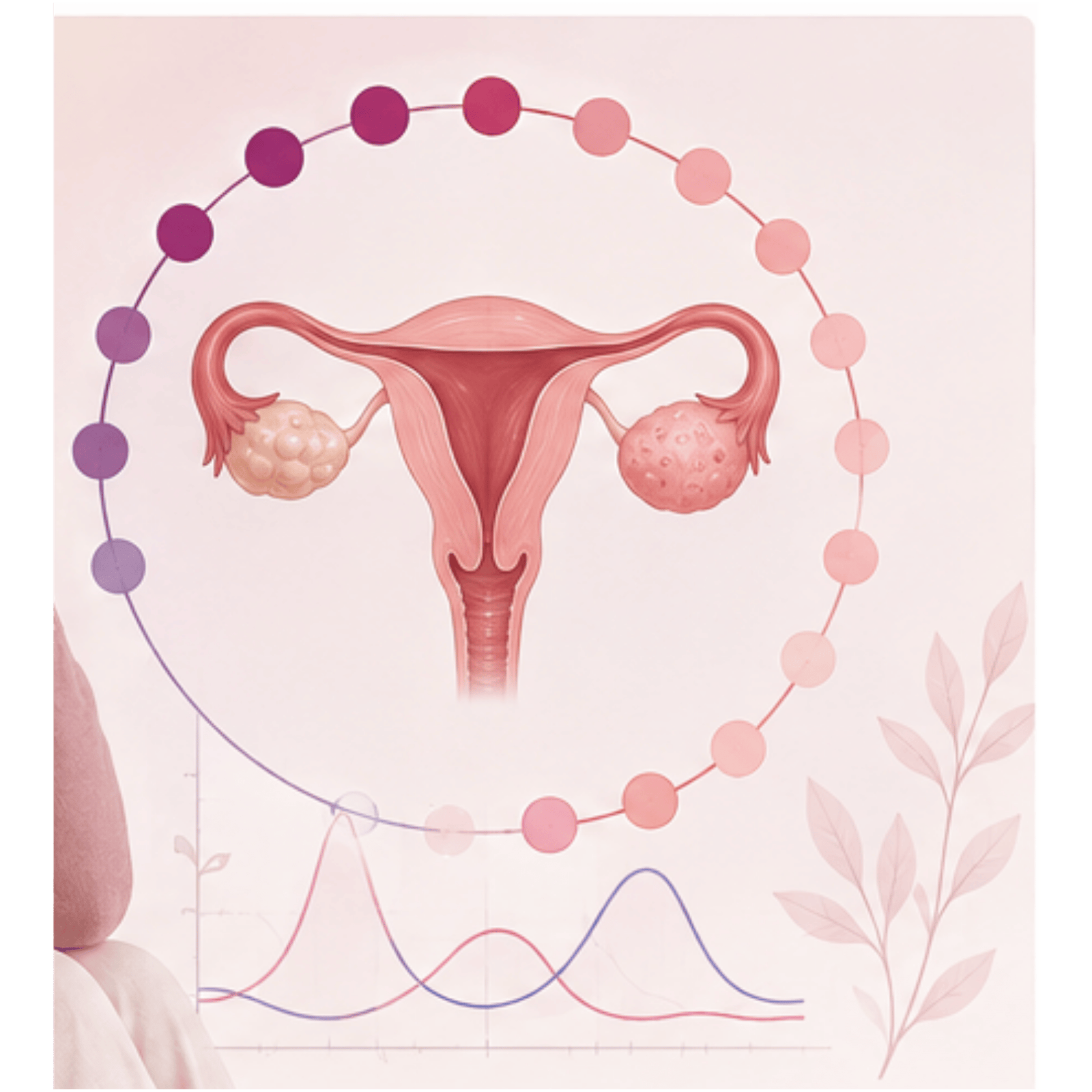
PCOS can interfere with regular ovulation, which may lead to periods that are delayed, unpredictable or absent.
When is it required
Consider an evaluation if your periods are consistently irregular, you frequently skip periods, your cycles have changed significantly or you have other symptoms associated with hormonal imbalance.
What to expect
Dr. Rutuja will review your menstrual history and symptoms and may recommend appropriate examination or investigations to understand the cause of irregular periods. Management depends on whether you are currently trying to conceive and your individual health needs.

PCOS & Fertility

What it is
PCOS can sometimes affect fertility because irregular ovulation can make it more difficult to predict when conception is possible.
When is it required
If you have PCOS and are planning pregnancy, have irregular ovulation or have been trying to conceive without success, a fertility-focused consultation can help determine the next steps.
What to expect
Dr. Rutuja assesses your menstrual and reproductive history and discusses ovulation, other potential fertility factors and appropriate evaluation. When required, she can guide you towards fertility treatment options based on your individual circumstances.
PCOS Fertility | Shree Women's Clinic
Weight Metabolic health | Shree Women's Clinic

PCOS, Weight & Metabolic Health

What it is
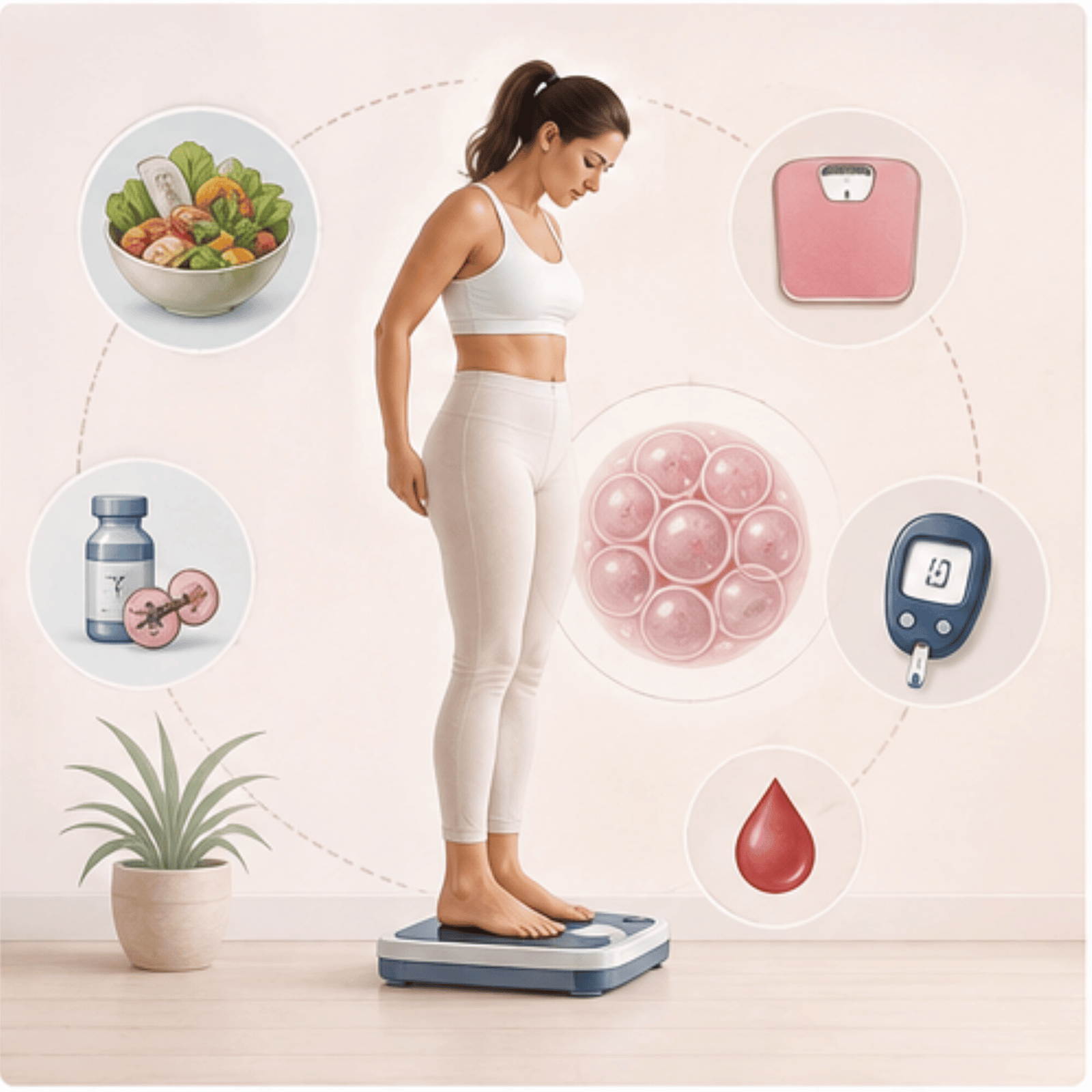
PCOS can be associated with insulin resistance and metabolic changes. Weight can also influence symptoms, although PCOS can occur in women across different body types.
When is it required
Metabolic evaluation may be appropriate if you have PCOS alongside weight concerns, a family history of diabetes, abnormal blood sugar or other metabolic risk factors.
What to expect
Dr. Rutuja may assess relevant health factors and provide guidance around nutrition, physical activity, healthy weight management and medical treatment when required.
PCOS is not simply a weight problem. Weight management is one component of care when relevant — not the definition of the condition.

PCOS-Related Skin & Hair Concerns

What it is
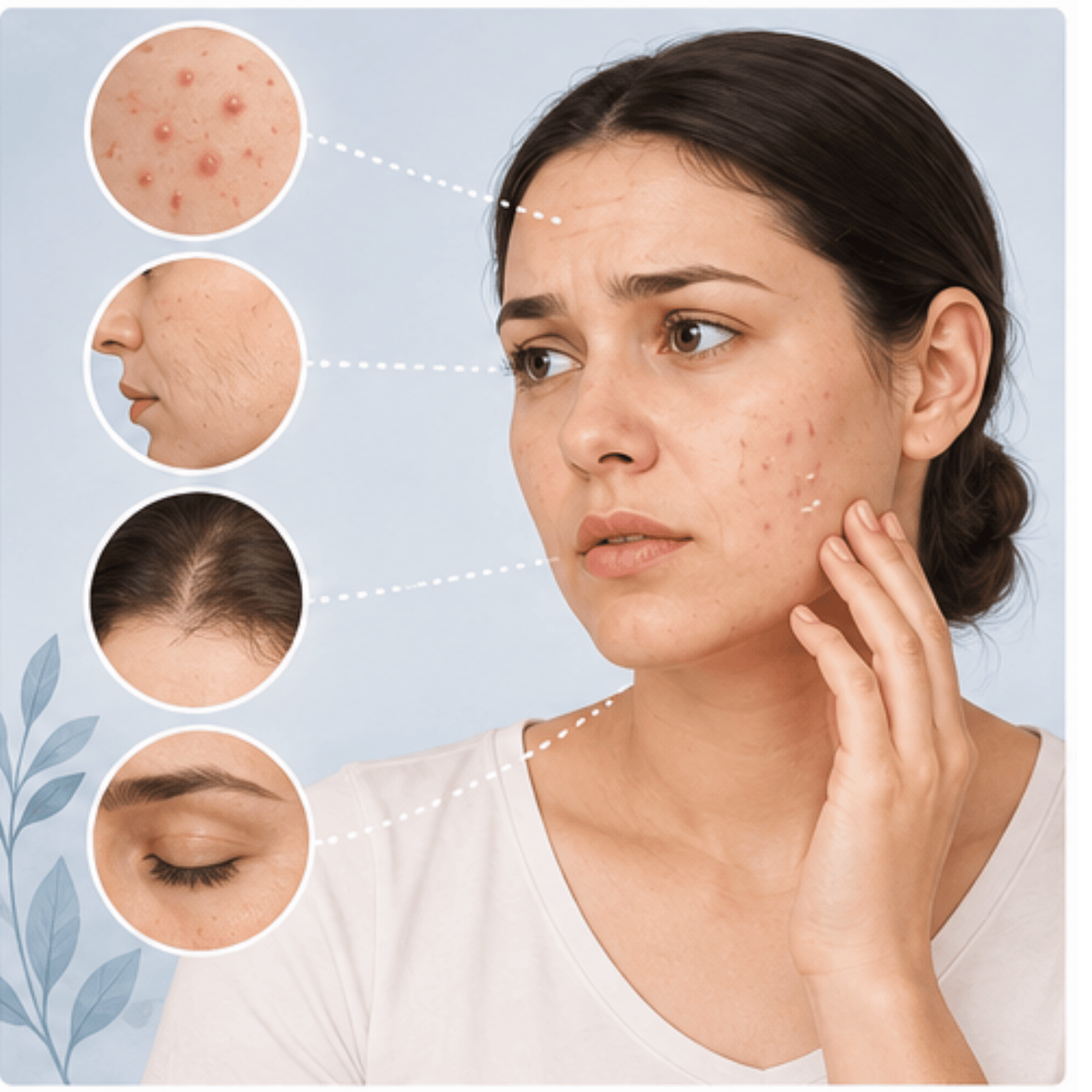
Higher androgen activity associated with PCOS can contribute to acne, oily skin, unwanted facial or body hair and scalp hair thinning.
When is it required
If you experience new or persistent acne, increased facial hair, unwanted body hair or hair thinning alongside irregular periods or other PCOS symptoms, a hormonal evaluation may be appropriate.
What to expect
Dr. Rutuja considers your symptoms alongside your menstrual and medical history. Depending on the concern, she may recommend hormonal evaluation and appropriate medical or specialist management.
Skin hair concerns | Shree Women's Clinic
Dr. Rutuja Narvekar | Gynaecologist in Vile Parle, Mumbai | Shree Women's Clinic

Meet Dr. Rutuja M. Narvekar

Evidence-based treatment with a patient-centred approach.
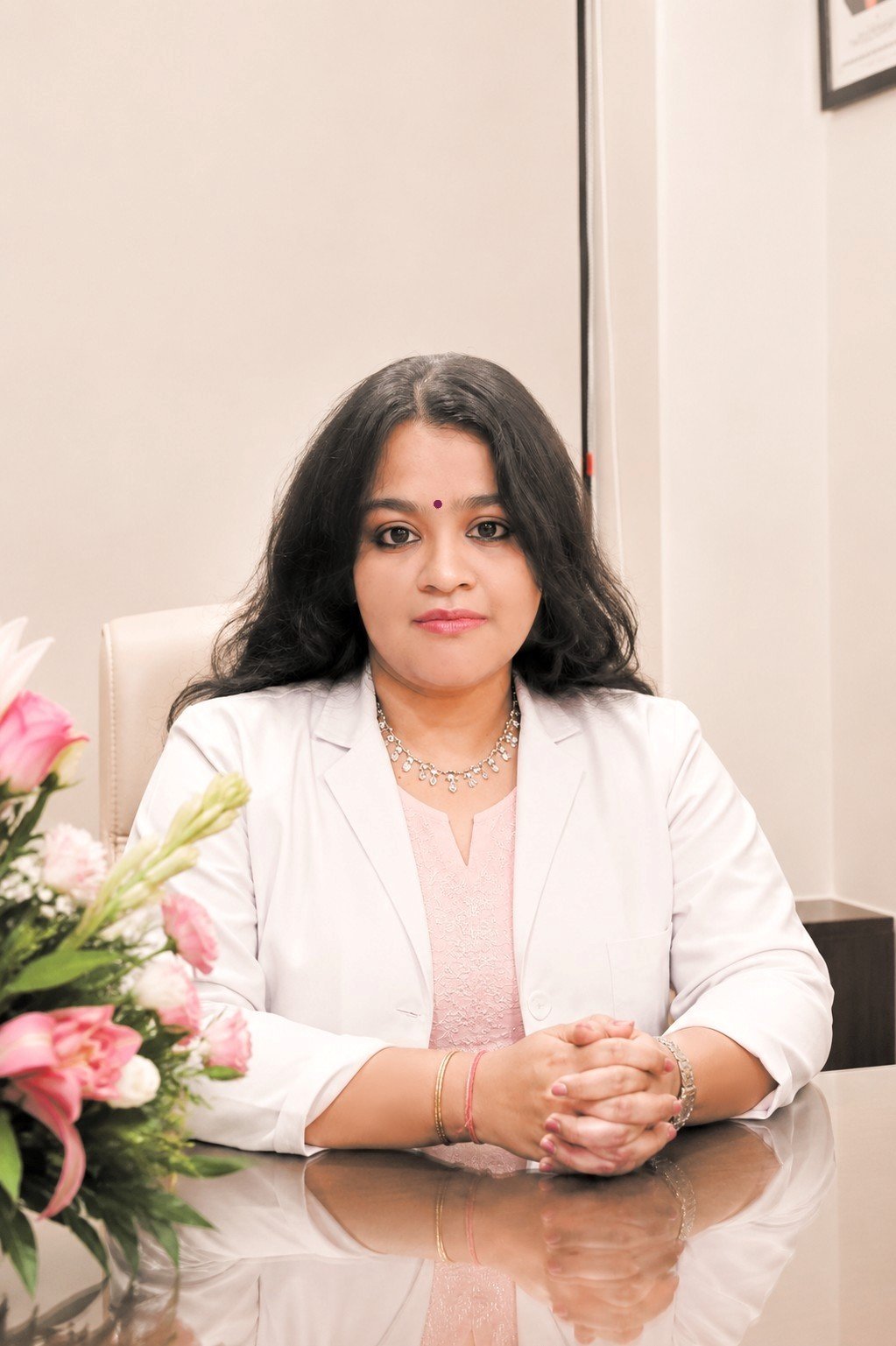
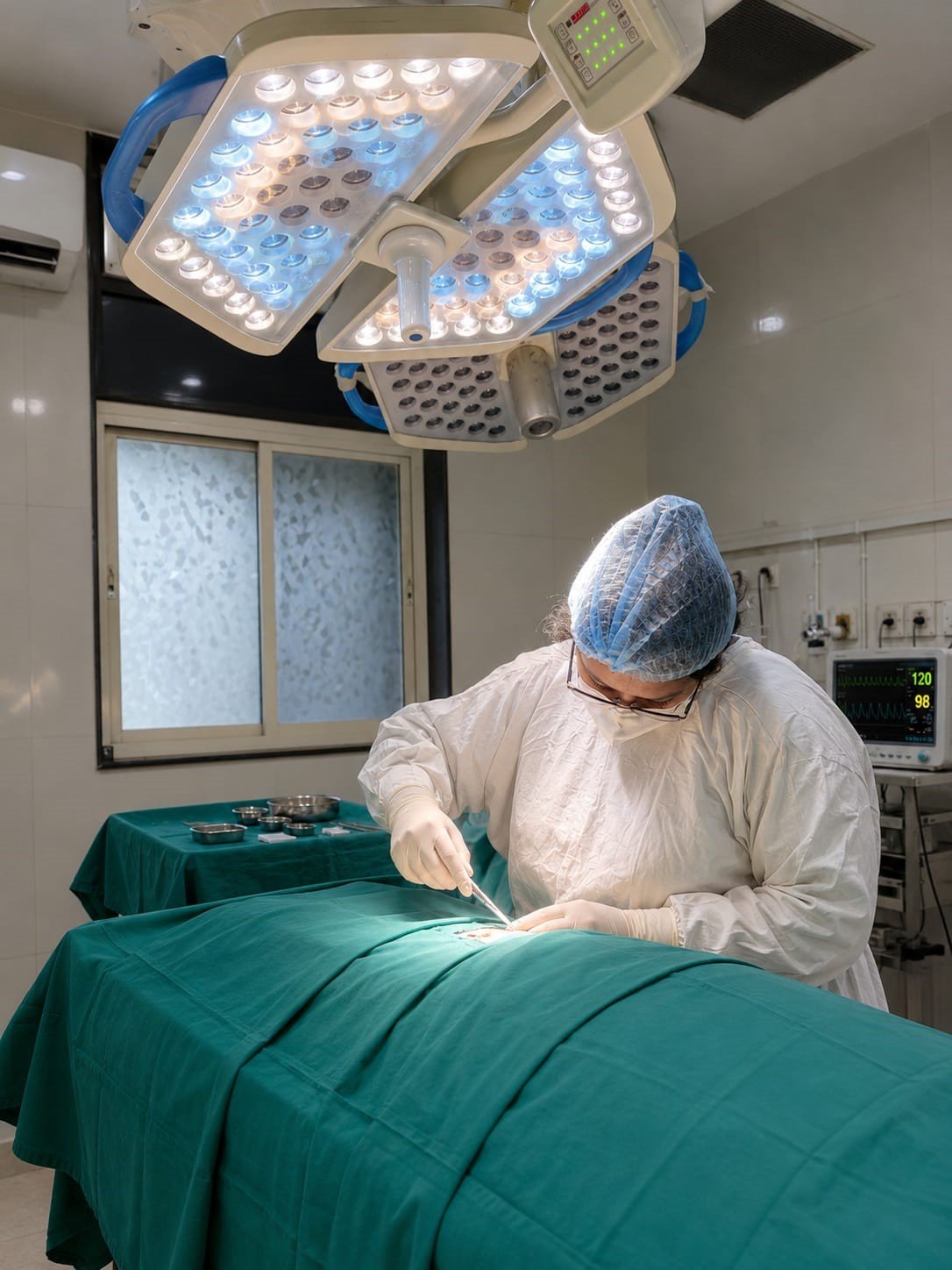
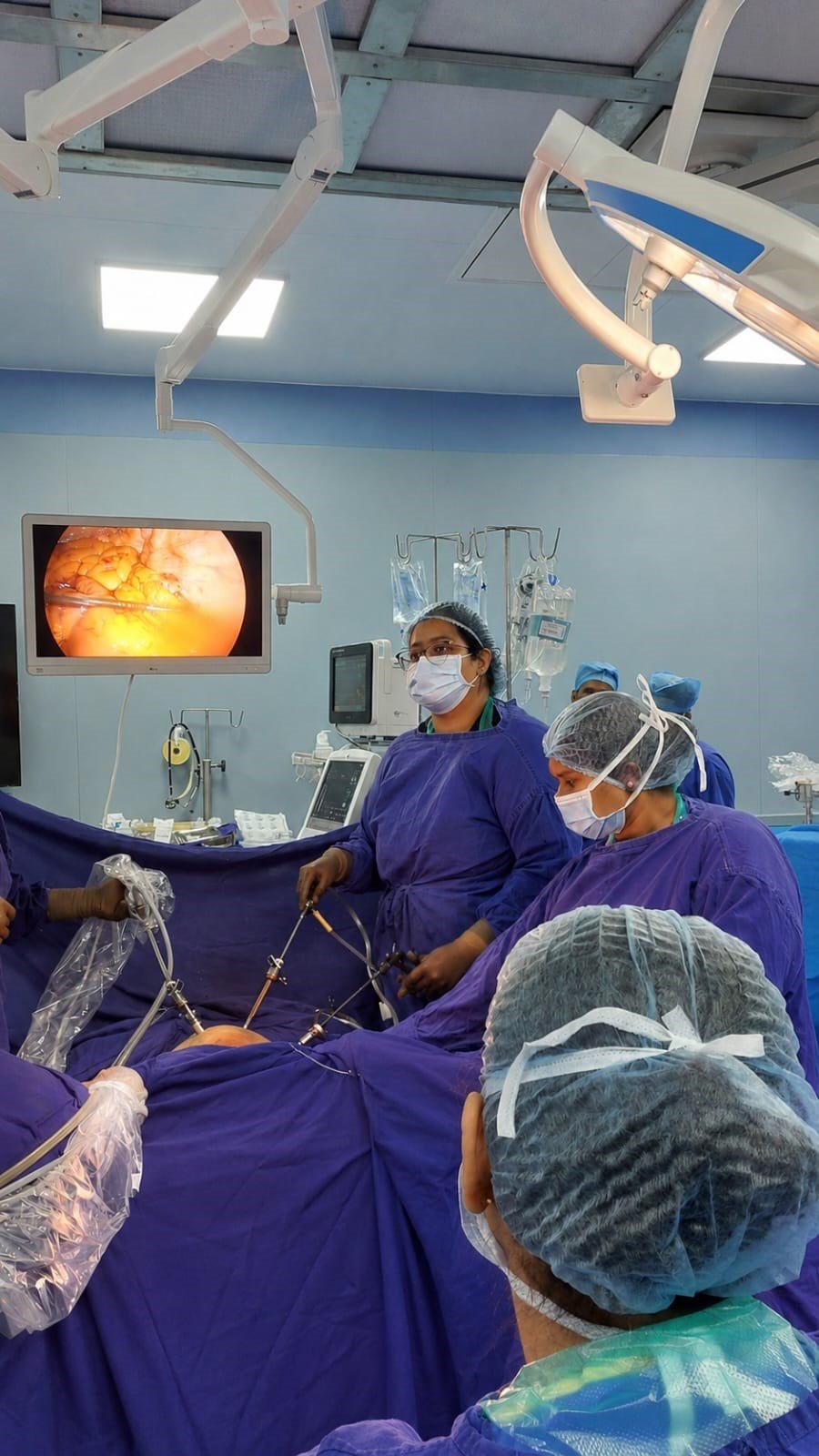
Dr. Rutuja M. Narvekar is a highly qualified Obstetrician & Gynaecologist, Laparoscopic Surgeon and Fertility Specialist, committed to providing personalised, evidence-based care across every stage of a woman’s life.
Her qualifications are affiliated with the Maharashtra University of Health Sciences, and she brings over 7 years of dedicated experience in Obstetrics & Gynaecology.
Her clinical practice is guided by a patient-centred approach, where medical expertise, individual needs and shared decision-making come together to create a comfortable and informed healthcare experience.

Why choose us?

Your health, your comfort, your confidence – our commitment at every stage.
10,000+ patient experience
2,500+ pregnancies managed
Advanced Gynecological evaluation and treatment
Women Wellness Clinic – Comprehensive Women’s healthcare & One stop for all female concerns
Expert Pregnancy Care
Patient Education & Shared decision making.
Direct communication with the doctor for concerns
Compassionate Personalized care with Evidence based treatment approach
OUR Approach

Care that puts you first, at every stage.

From your first consultation to pregnancy, motherhood and beyond, our approach combines medical expertise, evidence-based care and genuine attention to your individual needs.
Patient-Centered Care
Evidence-Based Practice
Personalized Treatment
Compassionate Guidance
Testimonials

What Our Patients Say

Frequently Asked Questions (FAQs)

What is the difference between PCOS and PCOD?

PCOS stands for Polycystic Ovary Syndrome and is the commonly used medical term for this hormonal condition. “PCOD” is also widely used by patients and clinics, although it is not a separate condition in the way it is sometimes presented online. PCOS involves a broader pattern of hormonal and metabolic features and can affect ovulation, periods, androgen-related symptoms and metabolic health. If you have been told you have PCOD or PCOS, Dr. Rutuja can review your symptoms and previous reports to understand your individual situation rather than relying only on the label.

Does having PCOS mean I will have fertility issues?

Not necessarily. PCOS can affect ovulation, and irregular ovulation can make conception more difficult for some women. However, many women with PCOS conceive naturally, while others may benefit from fertility support. Your age, ovulation pattern, reproductive history and other fertility factors also matter.

Can PCOS be cured permanently?

PCOS is generally considered a long-term condition rather than something that can be permanently “cured” with a single treatment. However, its symptoms and associated health risks can often be managed very effectively. Treatment can change over time depending on whether your priorities are menstrual regulation, managing androgen-related symptoms, improving metabolic health or planning pregnancy. Dr. Rutuja focuses on long-term management rather than promising a quick cure.

Do I need an ultrasound to detect PCOS?

Not necessarily. PCOS is diagnosed using a combination of clinical history, symptoms, examination and, when appropriate, laboratory tests and ultrasound findings. The exact diagnostic approach depends on age and individual circumstances. Importantly, the presence of “polycystic ovaries” on an ultrasound does not automatically mean that you have PCOS, and some women with PCOS may not have the typical ultrasound appearance.

Can lifestyle changes help with PCOS?

Lifestyle changes can play an important role in PCOS management, particularly when metabolic health is affected. Regular physical activity, balanced nutrition, adequate sleep and sustainable weight management when appropriate may improve metabolic health and can help some women with menstrual and reproductive symptoms. However, lifestyle changes are not a substitute for every form of medical treatment.

Book Your Consultation Today

Take the Next Step Towards Better Women’s Health

Whether you are planning a pregnancy, managing a gynaecological concern or simply looking after your long-term health, expert care is just an appointment away.