

Period Related Concerns & Bleeding Problems
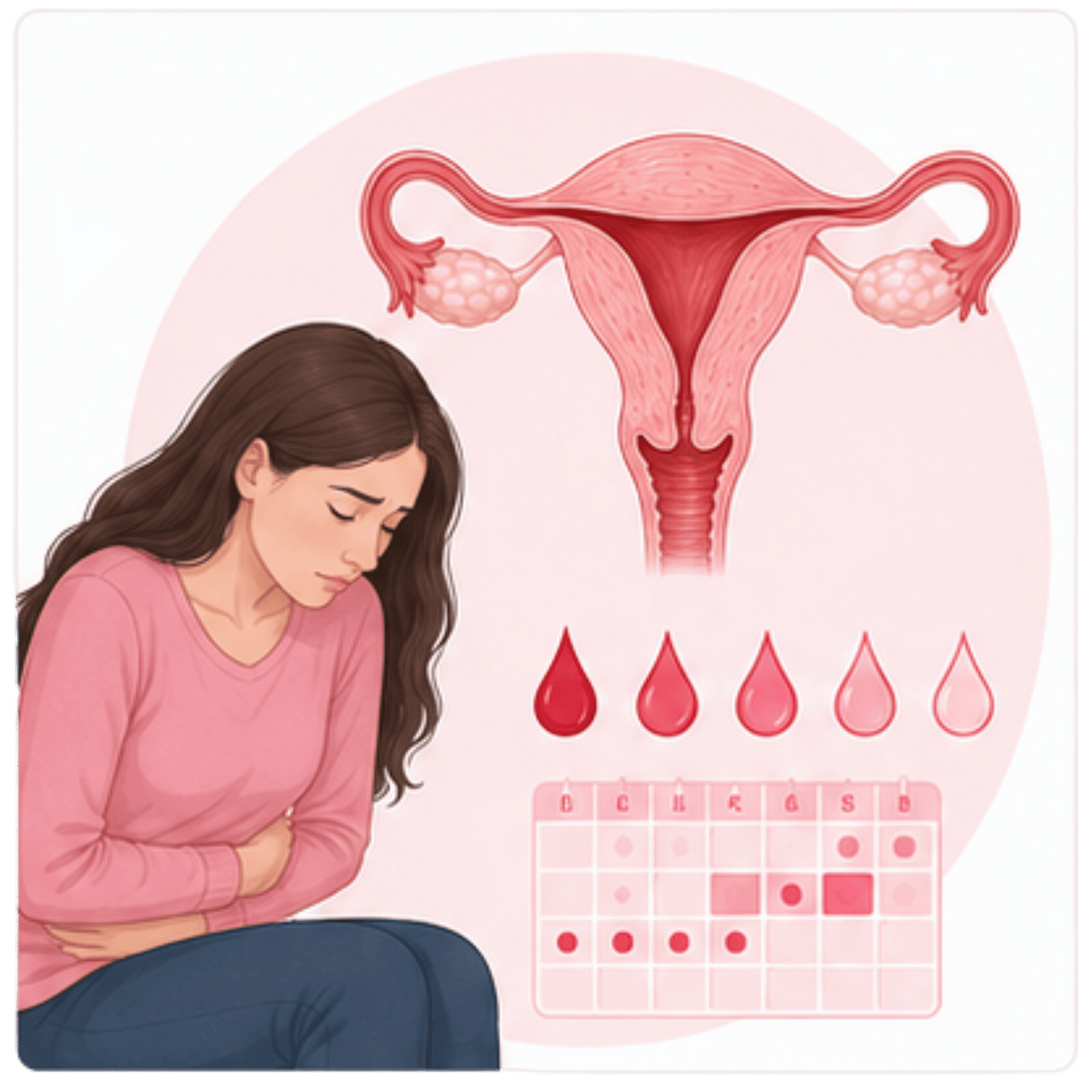
Pain and bleeding shouldn’t simply be something you “put up with”
Did you know?
Services
Concerns We AddressFrom period problems to preventive screening
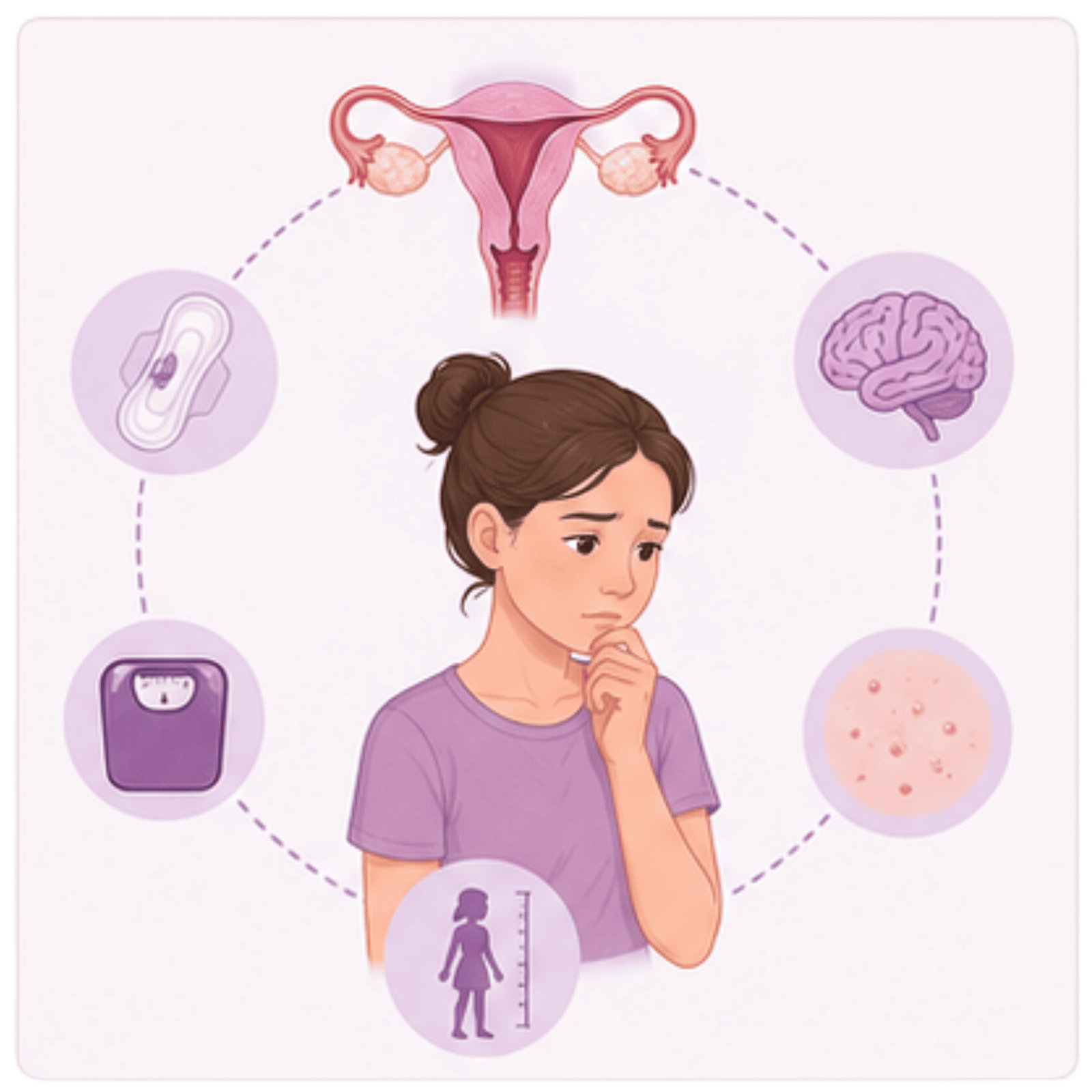
Adolescent Health Problems
What it is
When is it required
What to expect
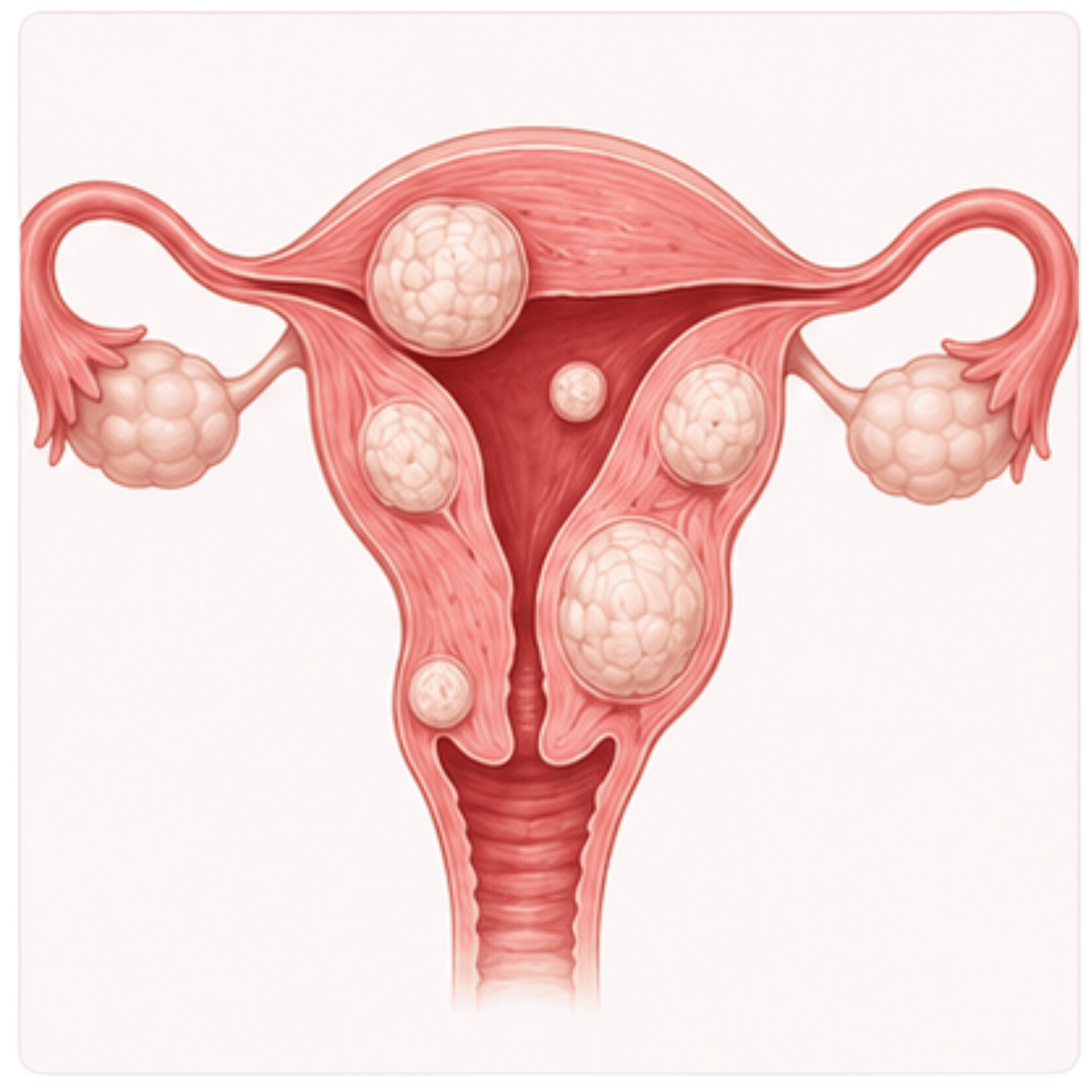
Fibroids
What it is
When is it required
What to expect
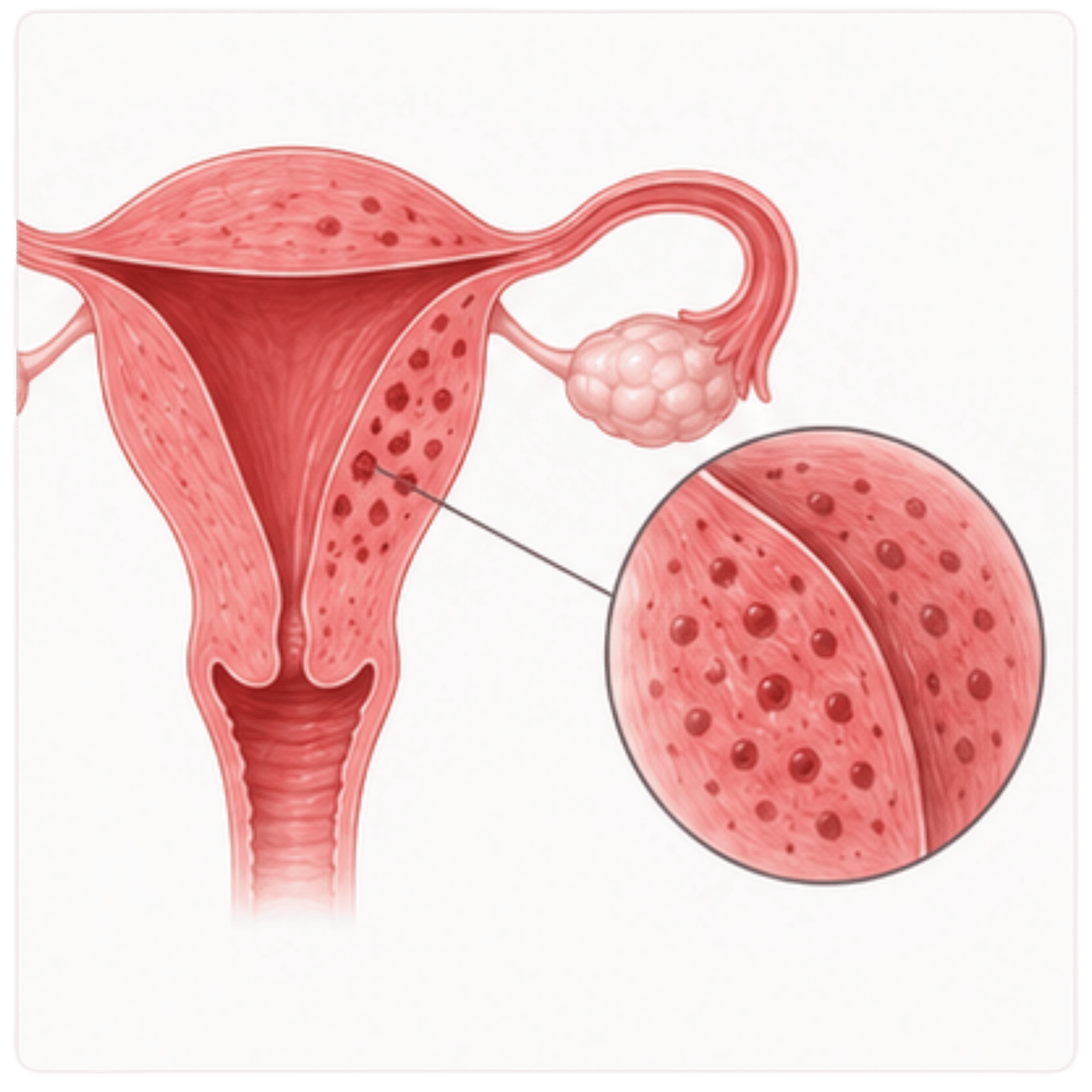
Adenomyosis
What it is
When is it required
What to expect
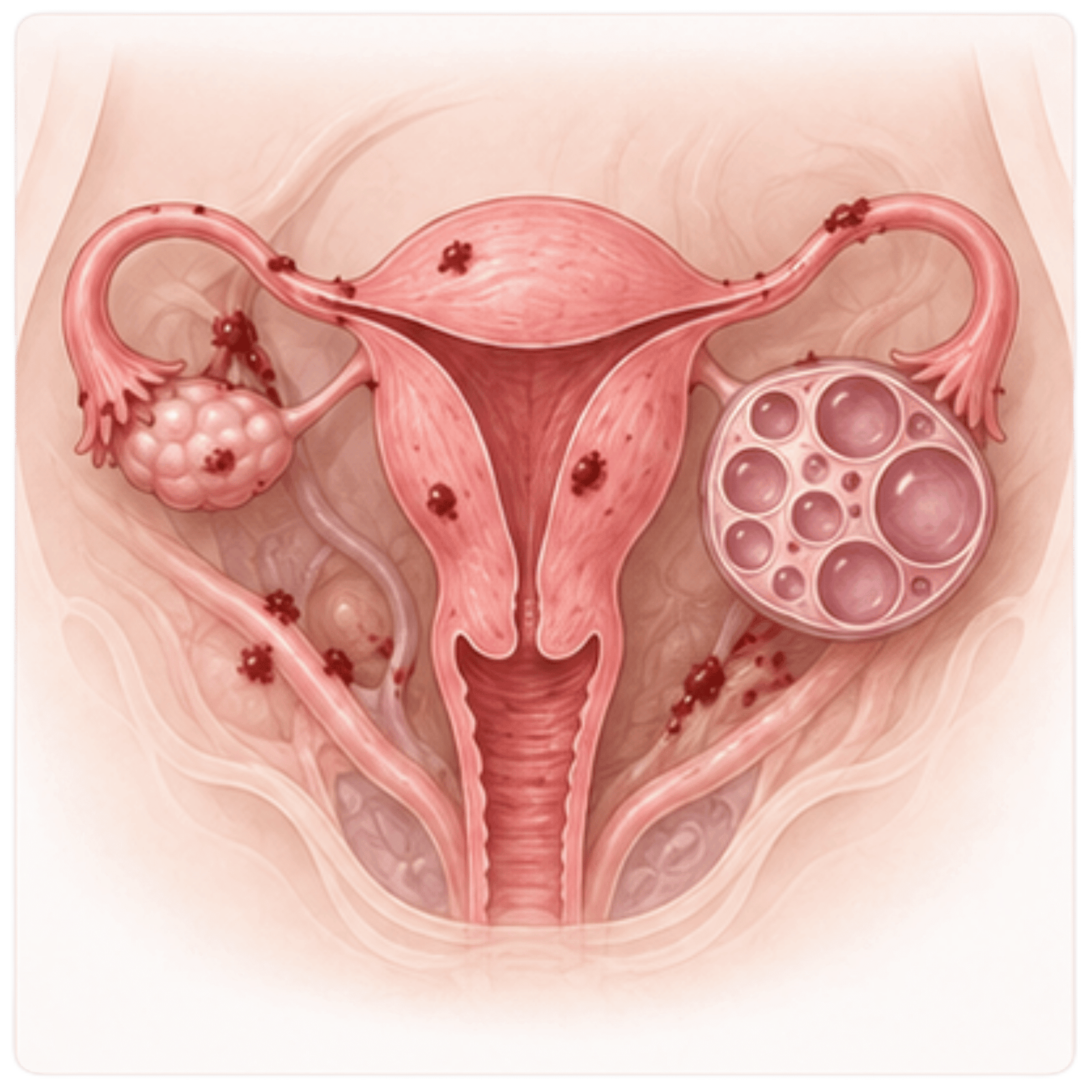
Endometriosis & Ovarian Cysts
What it is
An ovarian cyst is a fluid-filled or other type of sac that develops in or on an ovary. Many ovarian cysts are benign and resolve on their own, but some require monitoring or treatment.
When is it required
What to expect
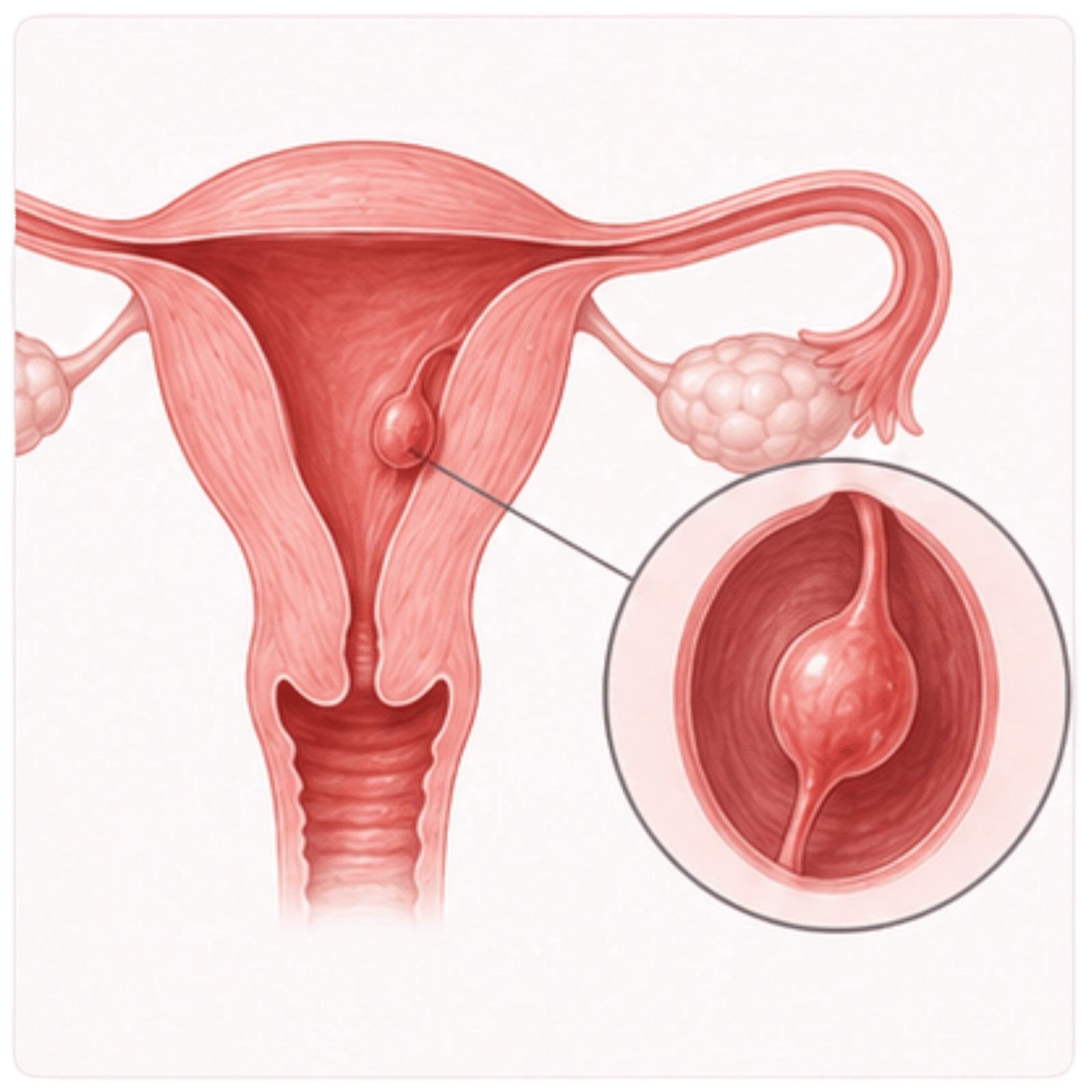
Polyps
What it is
When is it required
What to expect
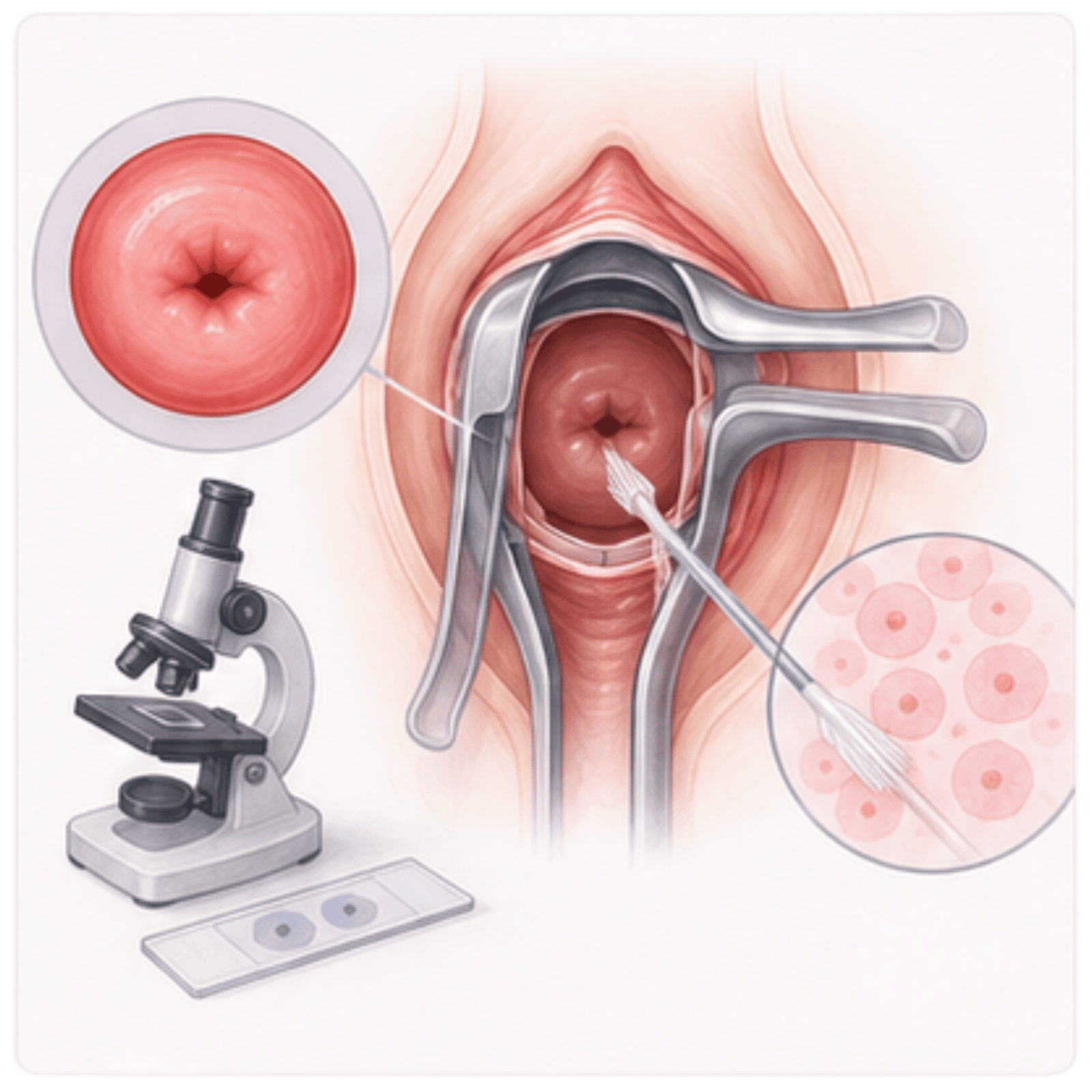
Cervical Screening
What it is
When is it required
What to expect
What causes abnormal bleeding?
Dr. Rutuja considers your:
- Age
- Menstrual pattern
- Pregnancy history
- Medical history
- Medications
- Bleeding pattern
- Associated pain or symptoms
- Fertility plans
- Previous investigations

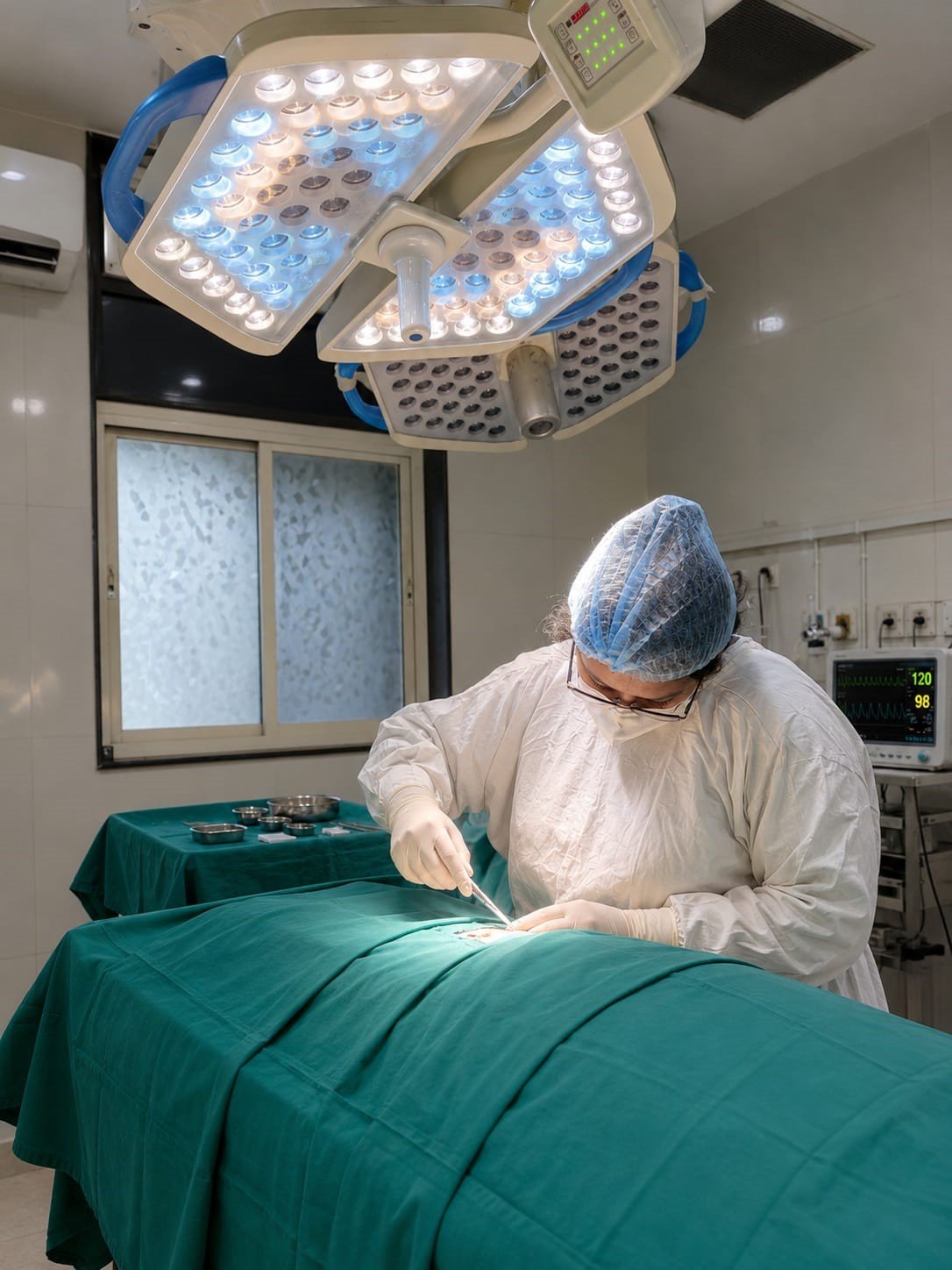
Meet Dr. Rutuja M. Narvekar
Why choose us?
Care that puts you first, at every stage.
From your first consultation to pregnancy, motherhood and beyond, our approach combines medical expertise, evidence-based care and genuine attention to your individual needs.
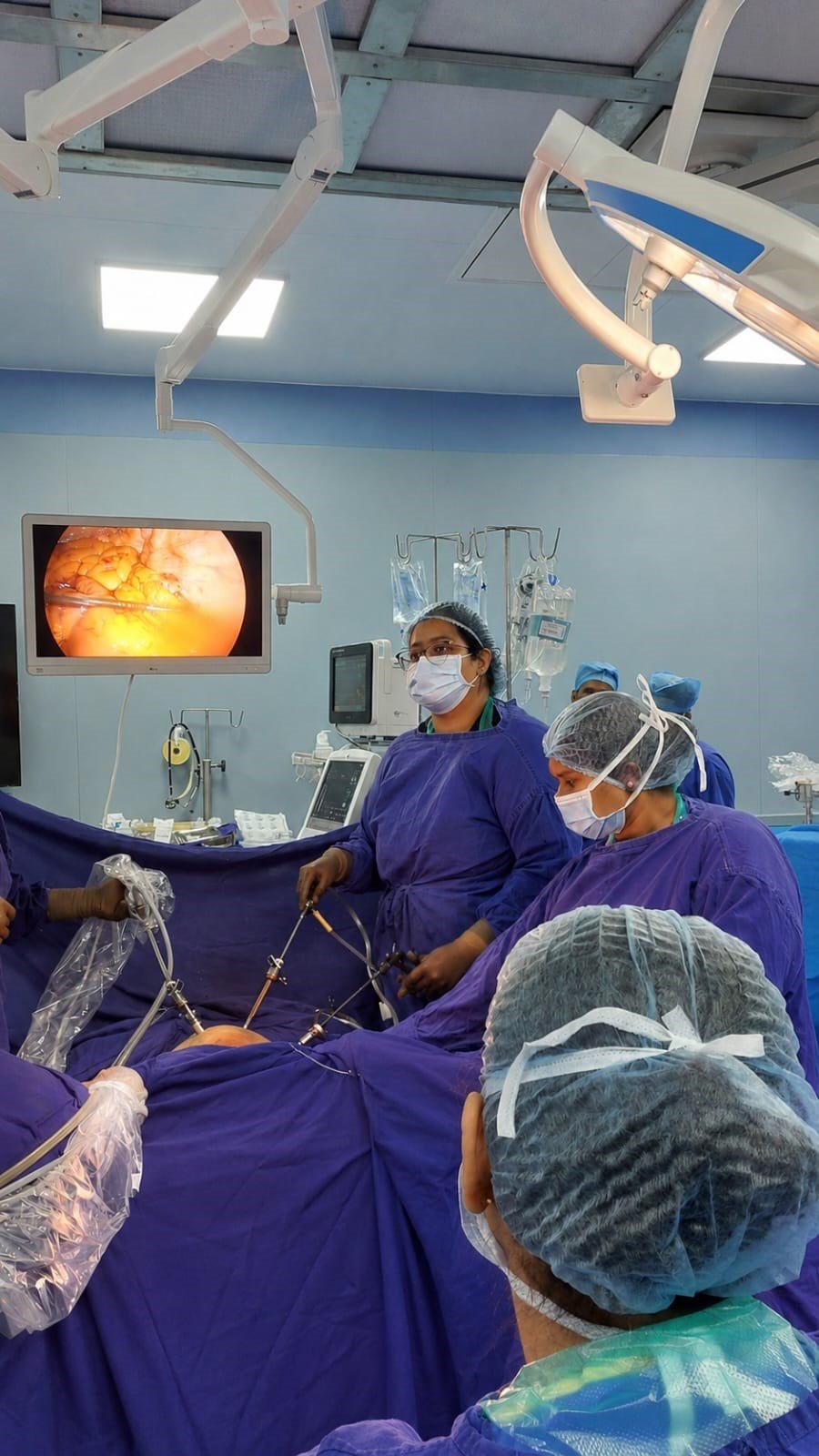
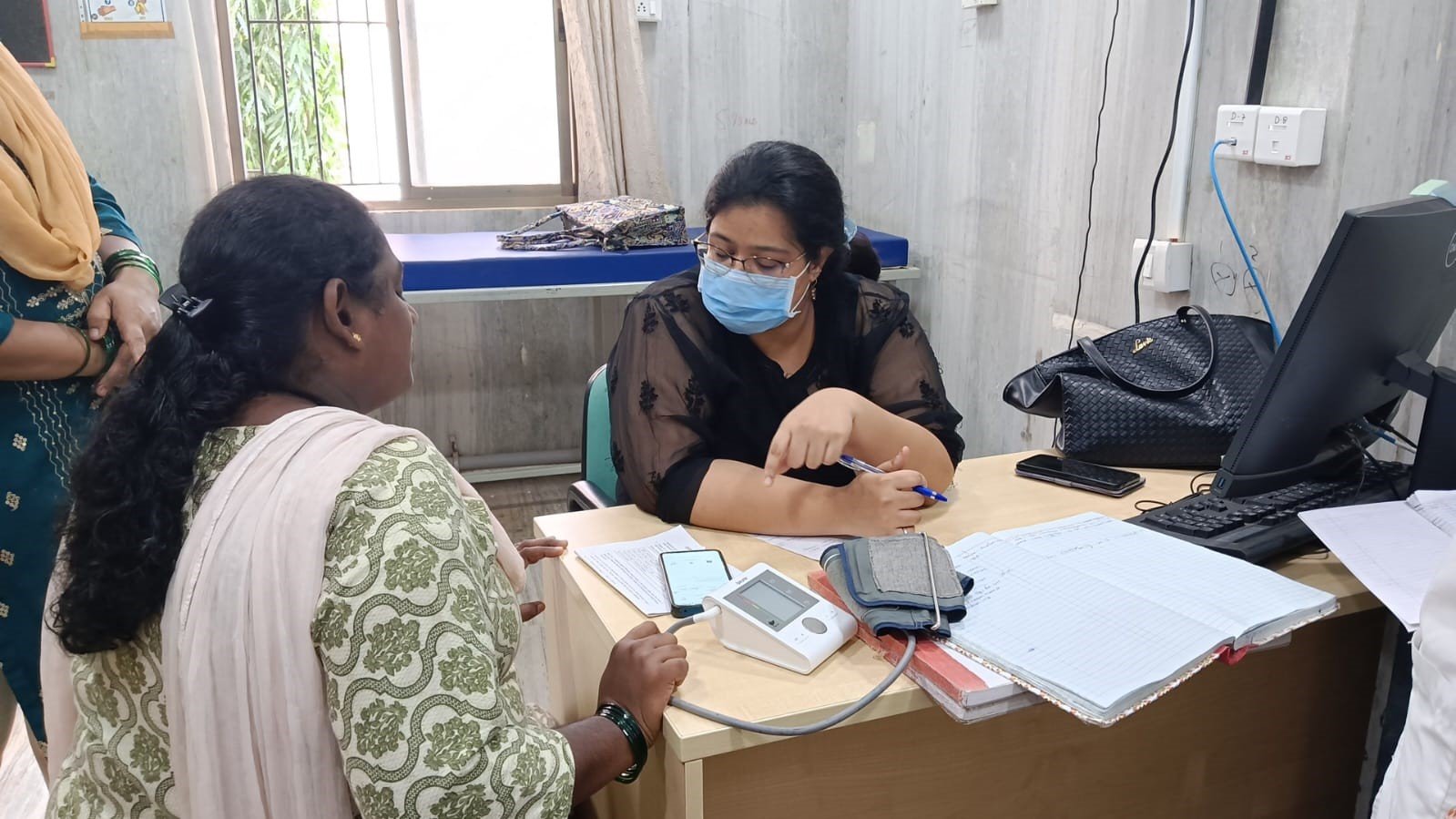
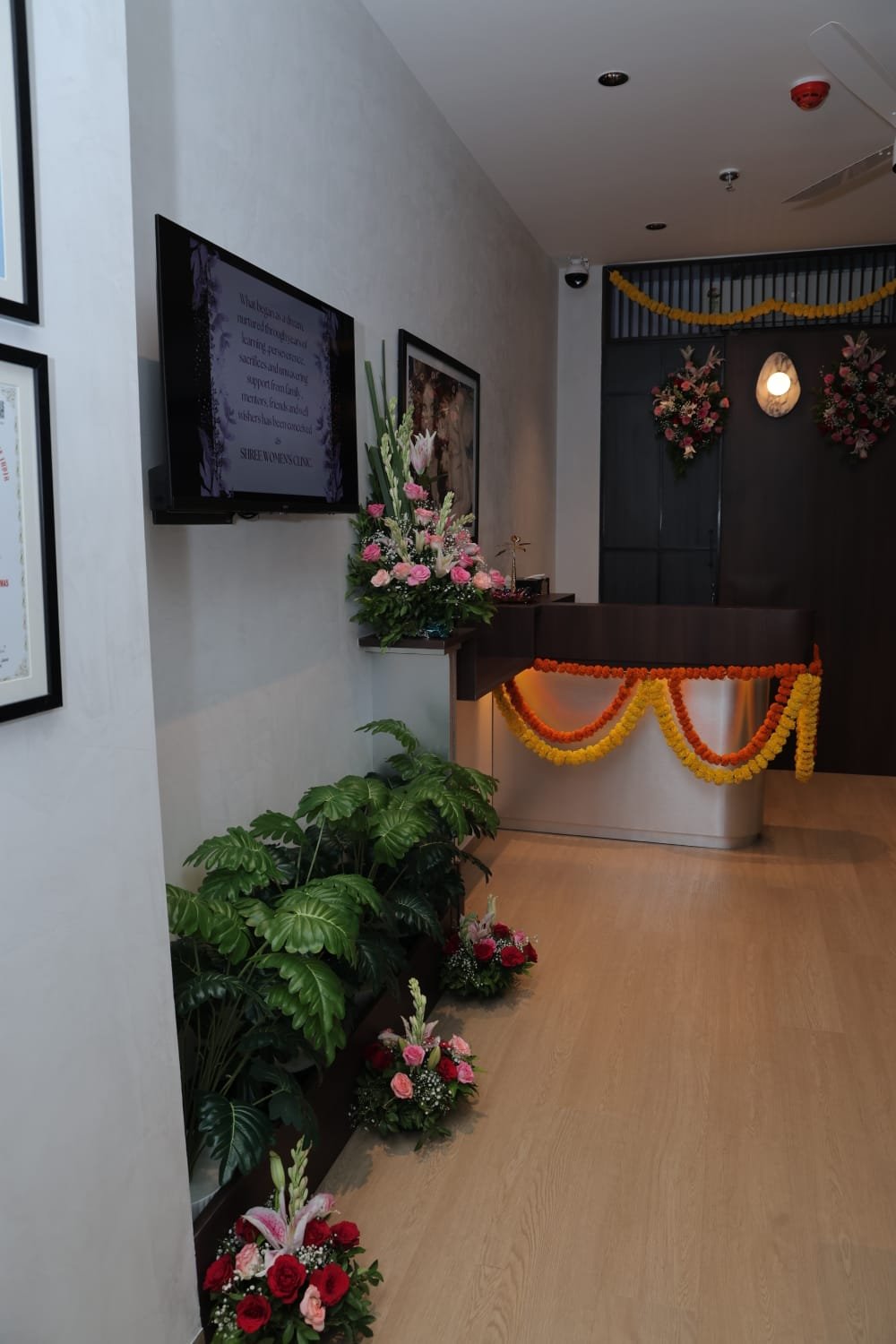
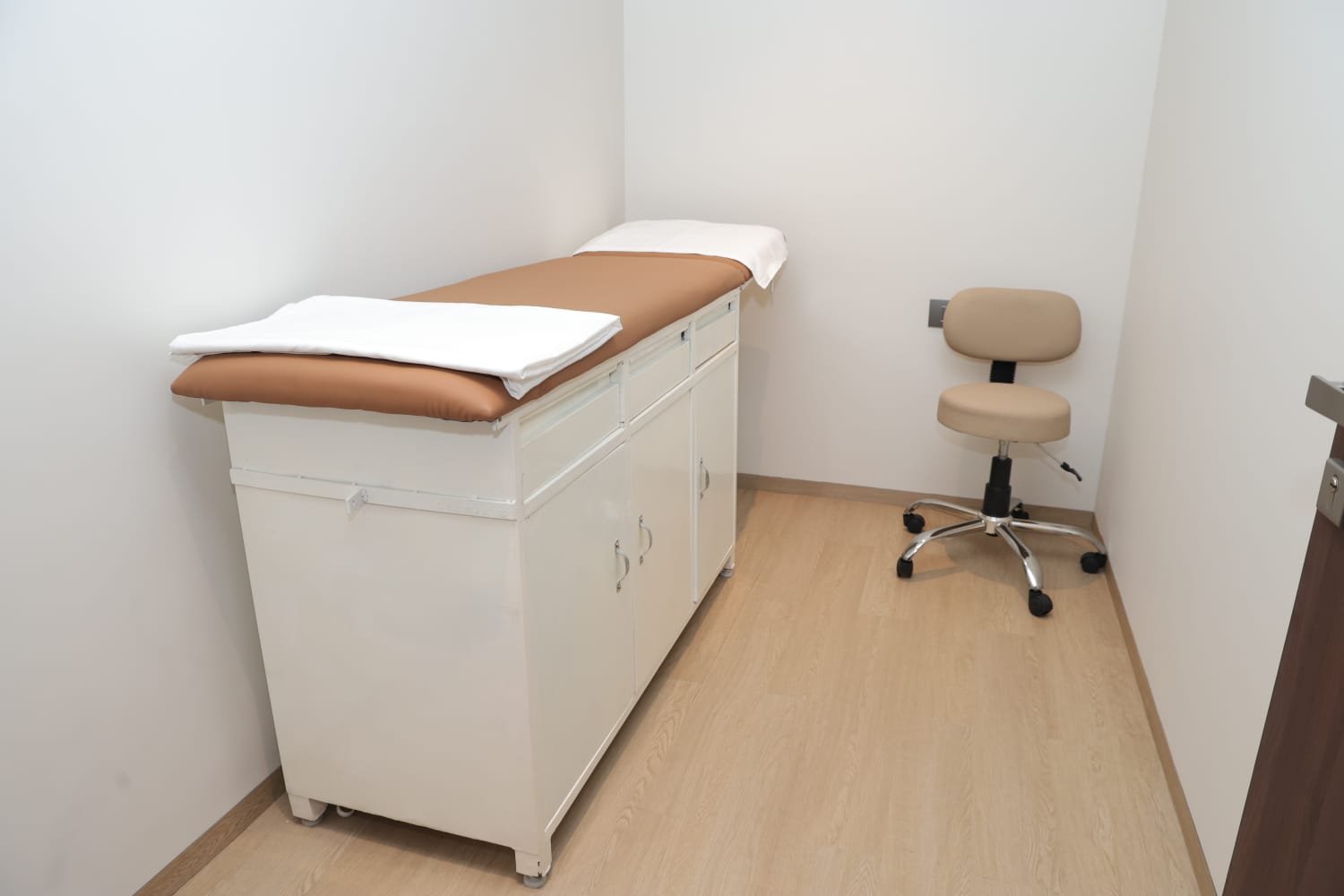
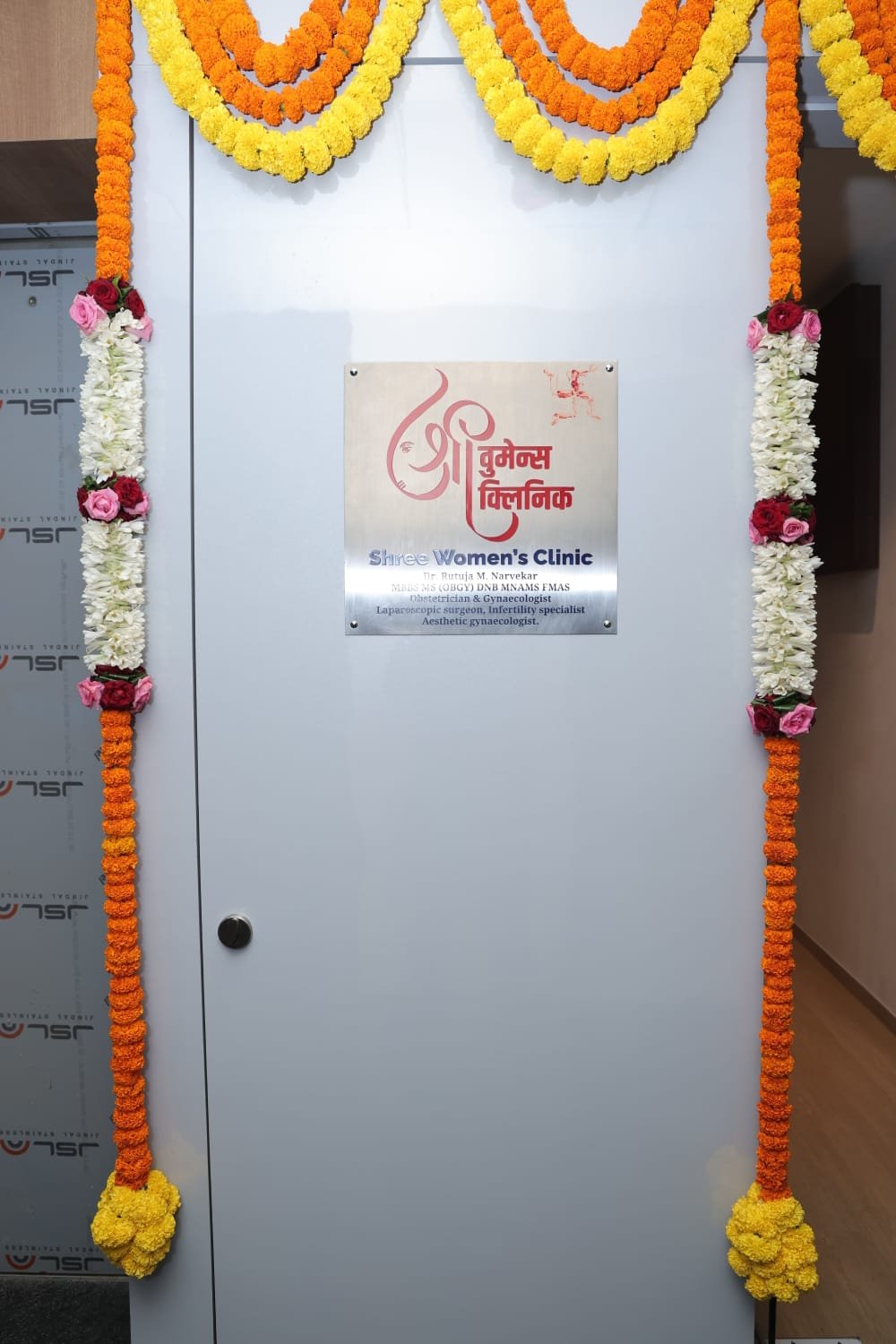
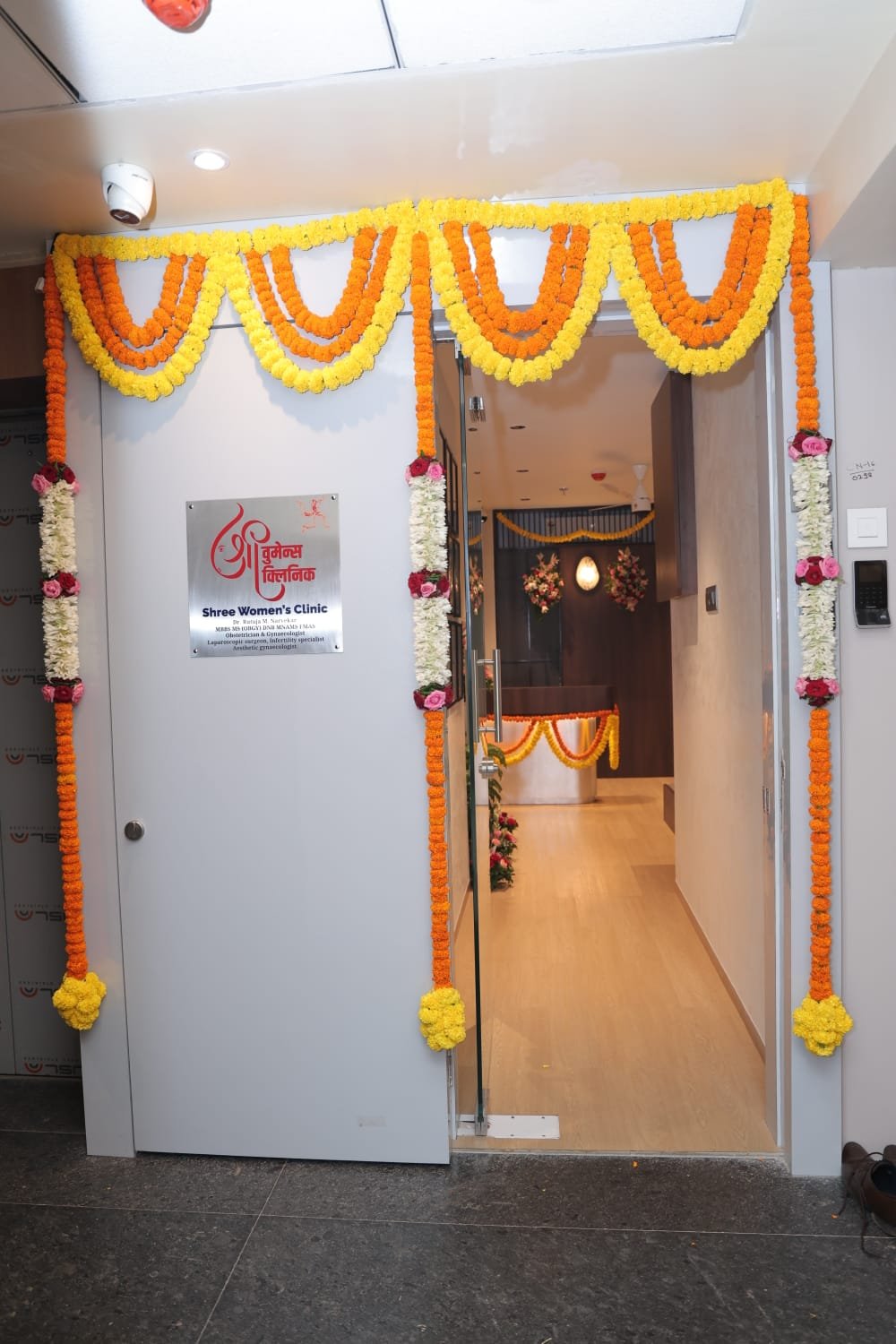
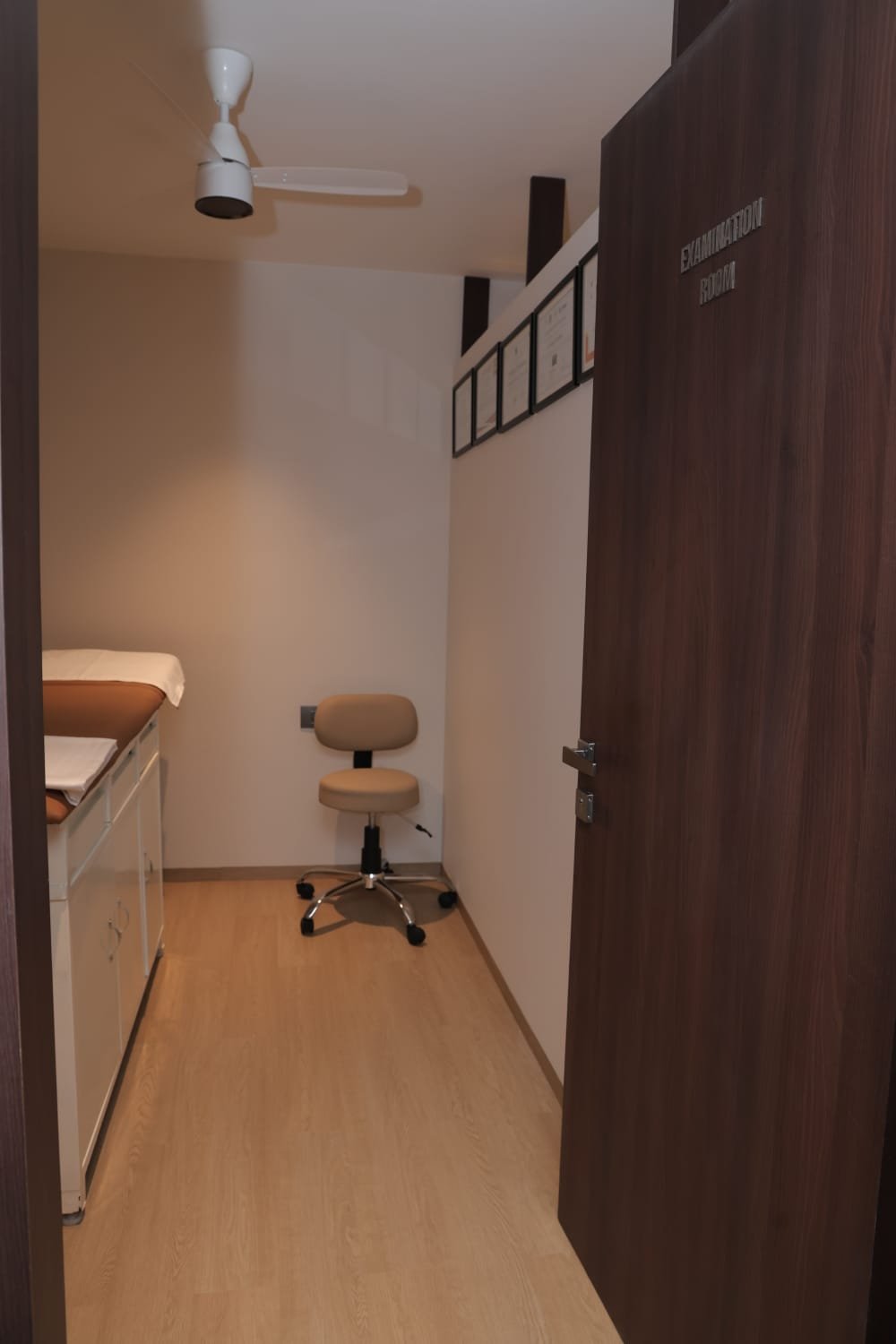

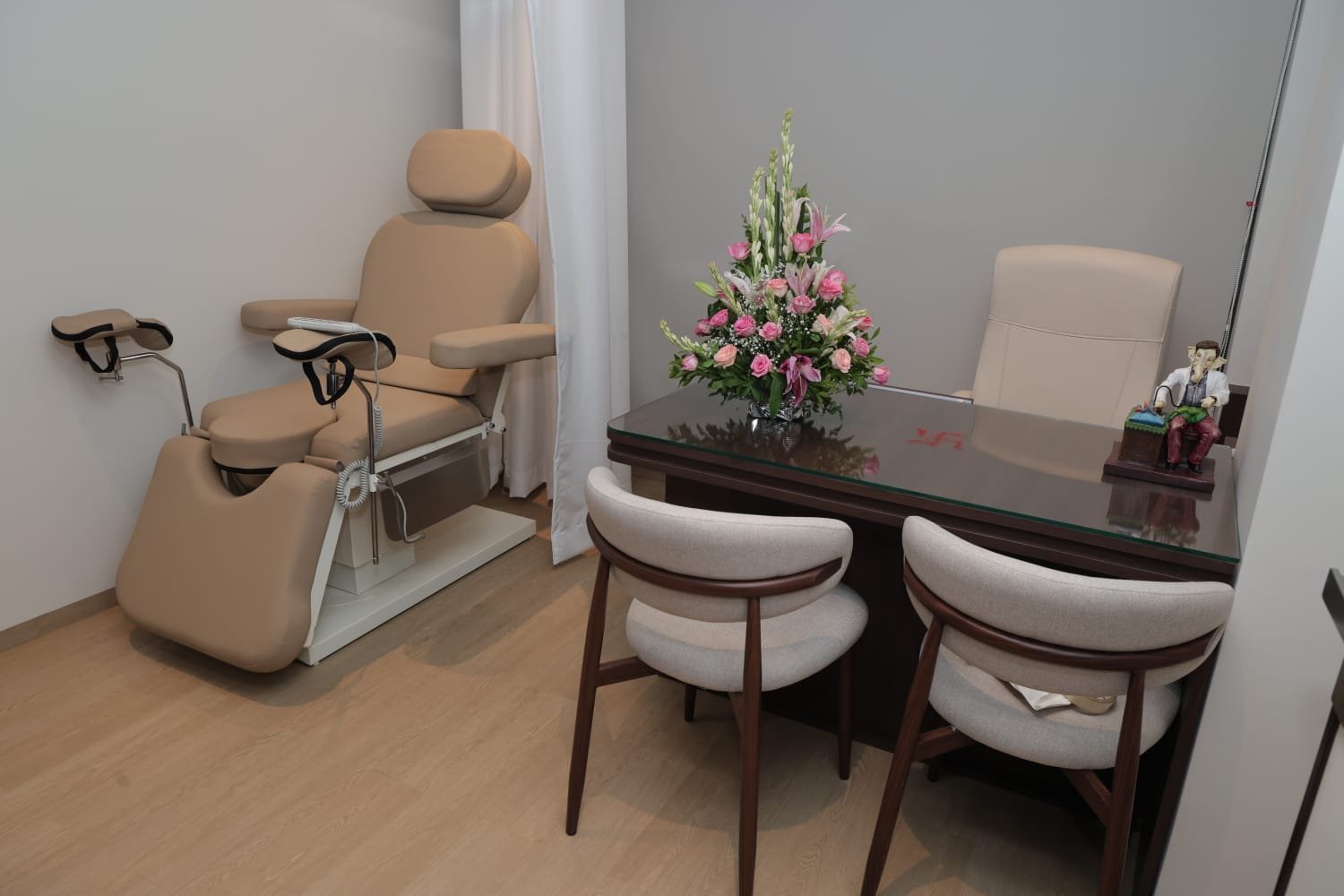














What Our Patients Say
Frequently Asked Questions (FAQs)
How do I know if my period is too heavy?
Heavy menstrual bleeding is more than simply having a “heavy day.” It may be a concern when bleeding is excessive, lasts unusually long, frequently soaks through sanitary products, causes significant disruption to daily activities or results in symptoms such as tiredness or weakness. The amount of bleeding can be difficult to measure accurately at home, so your overall bleeding pattern and symptoms are important.
Are painful periods normal?
Some menstrual discomfort can be common, particularly during adolescence. However, severe pain that regularly interferes with school, work, sleep, exercise, relationships or everyday activities should not simply be accepted as normal. Conditions such as endometriosis and adenomyosis can cause significant menstrual pain. If your pain is worsening, persistent or affecting your quality of life, Dr. Rutuja can evaluate the possible causes.
Can fibroids and adenomyosis be treated without surgery?
In many cases, treatment does not automatically mean surgery. The appropriate approach depends on your symptoms, age, size and location of the fibroids or adenomyosis, medical history and whether you want to become pregnant. Some women may be managed with medication or monitoring, while others may benefit from procedures or surgery. Dr. Rutuja discusses the available options based on your individual situation rather than recommending surgery simply because a fibroid or adenomyosis is present.
Does having an ovarian cyst mean I have cancer?
No. Many ovarian cysts are benign and can occur as part of normal ovarian function. Some cysts disappear without treatment, while others may require monitoring or further evaluation depending on their appearance, size, symptoms and persistence. An ovarian cyst should therefore be assessed in context rather than assuming it is cancerous. Dr. Rutuja can review your symptoms and imaging findings and advise you about the appropriate next step.
When should I start cervical screening?
The appropriate age and type of cervical screening can vary according to the screening guidelines followed in your region, your age, previous results and individual risk factors. Screening is intended for people who may not have symptoms and is different from diagnostic testing for abnormal bleeding or other concerns. Dr. Rutuja can review your history and explain when screening is appropriate and which test may be recommended.