

Infection Screening & Treatment
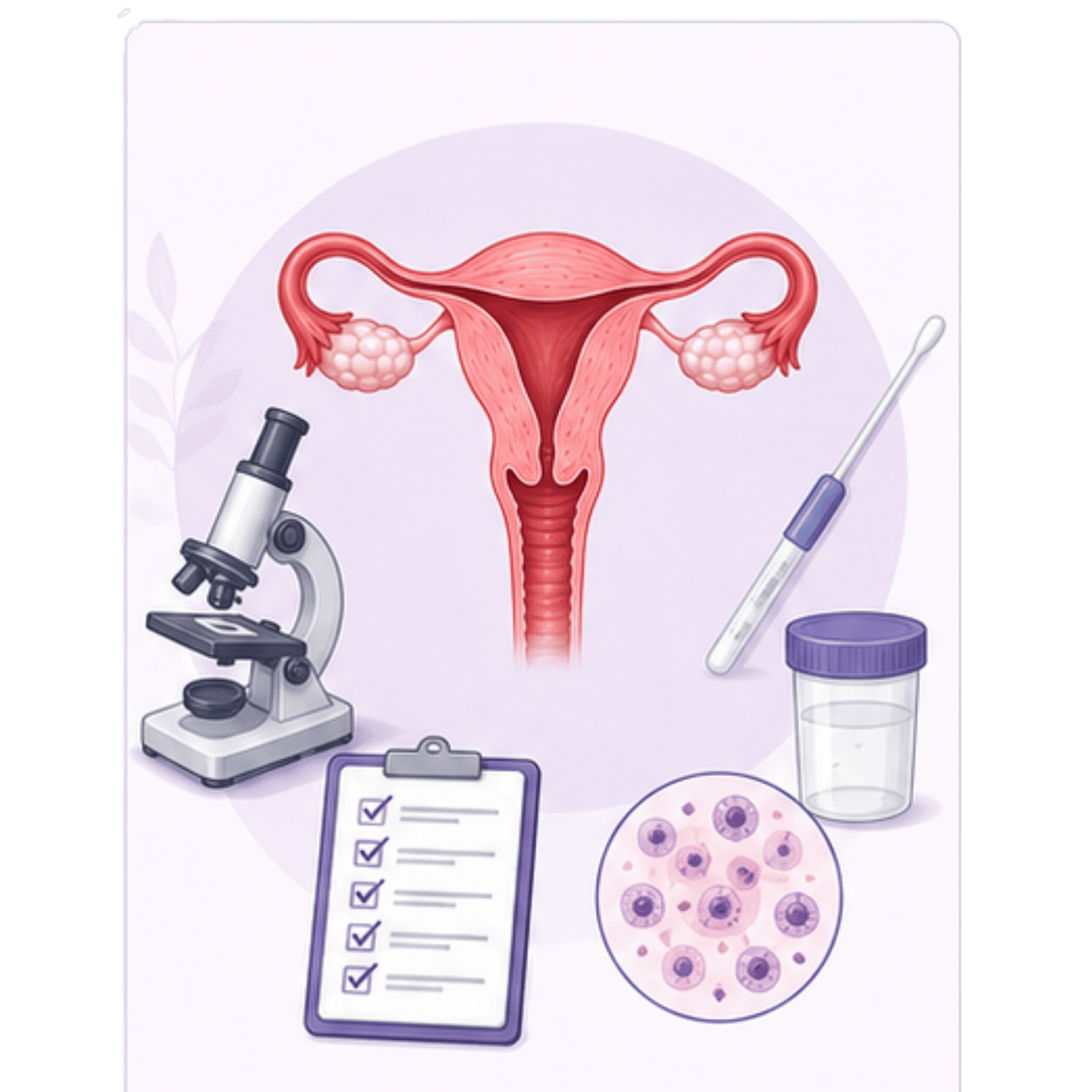
Don’t ignore symptoms because they feel uncomfortable to discuss
Did you know?
Services
Infection Screening & TreatmentUnderstand the cause before treating the symptom
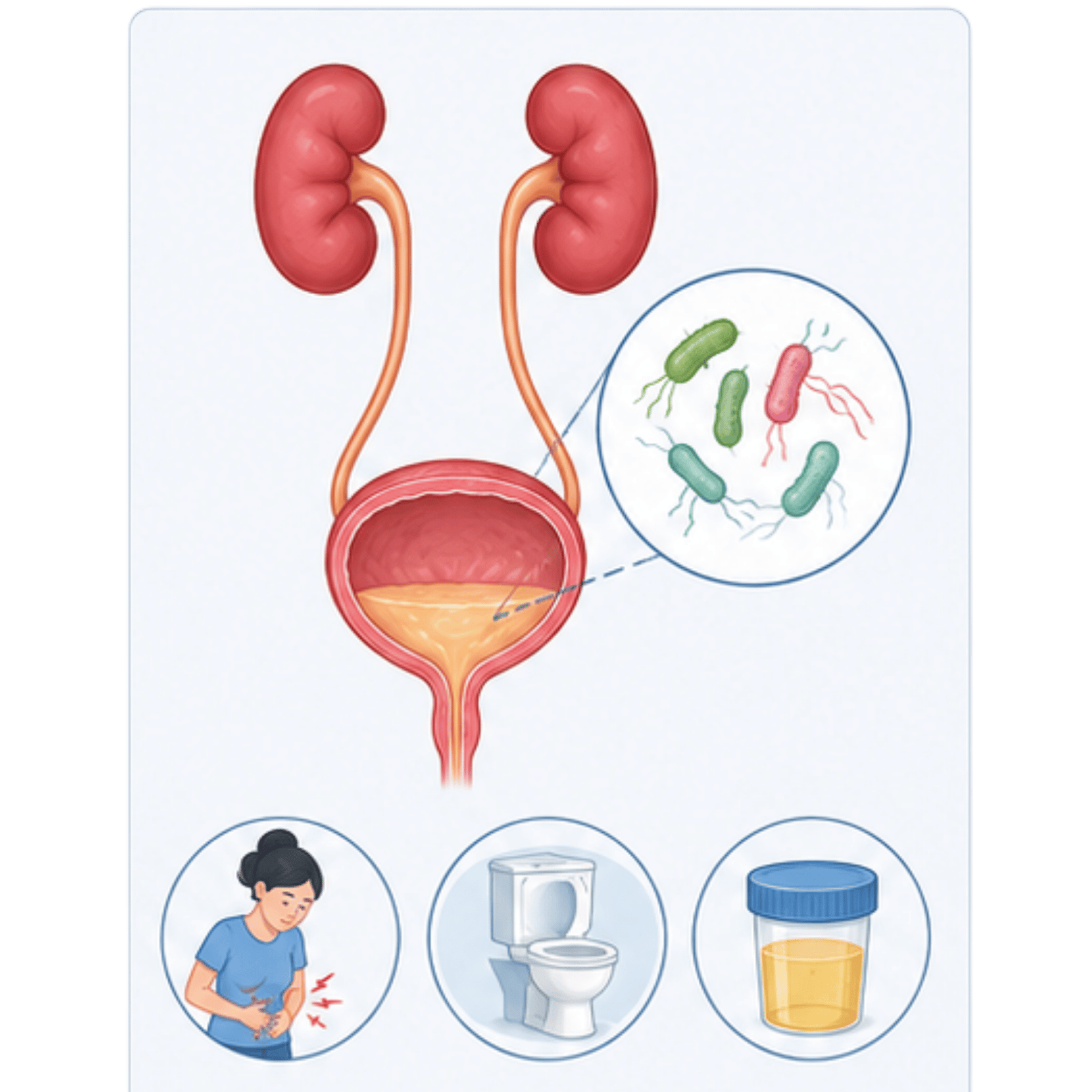
Urinary Tract Infections (UTI)
What it is
When is it required
What to expect
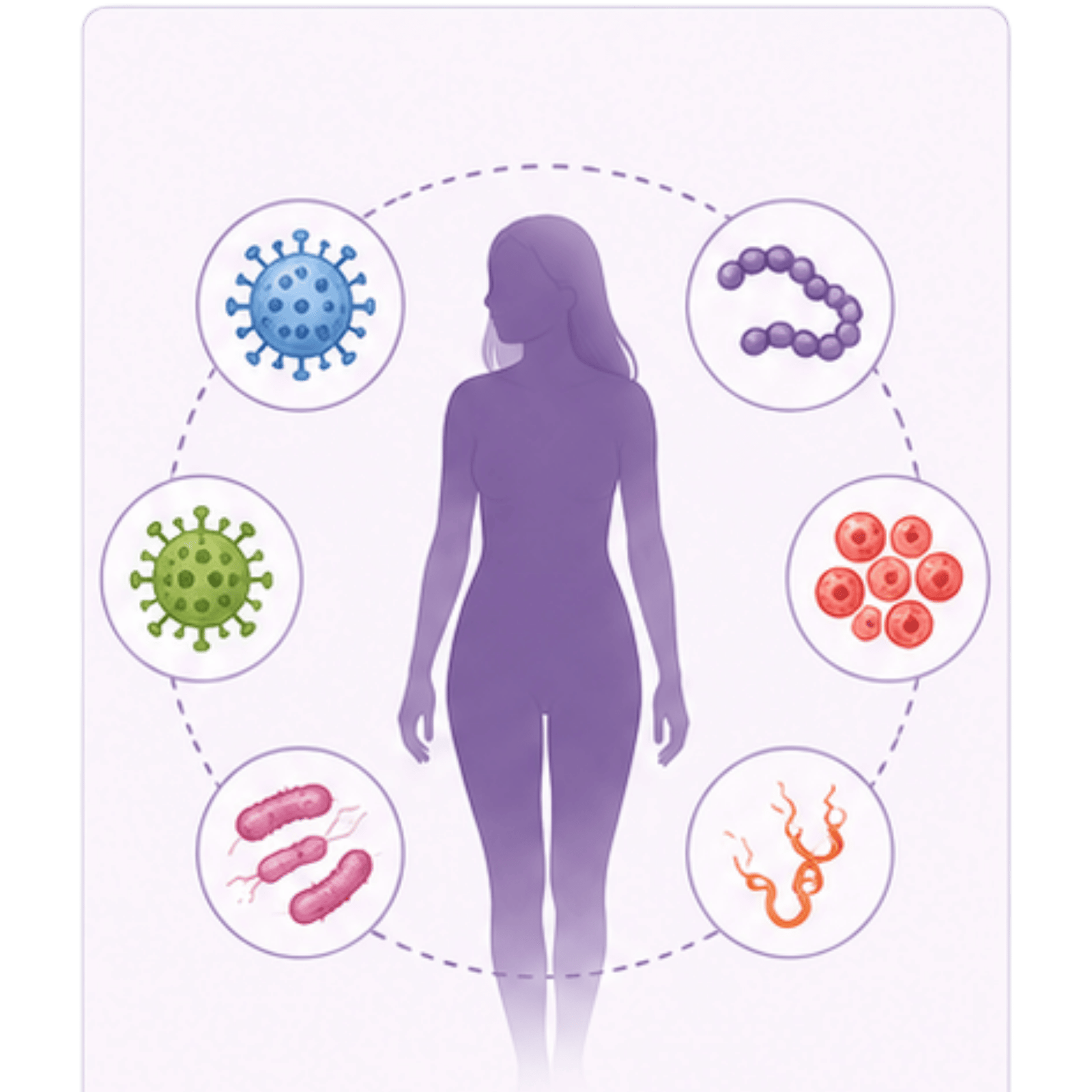
Sexually Transmitted Infections
What it is
When is it required
What to expect
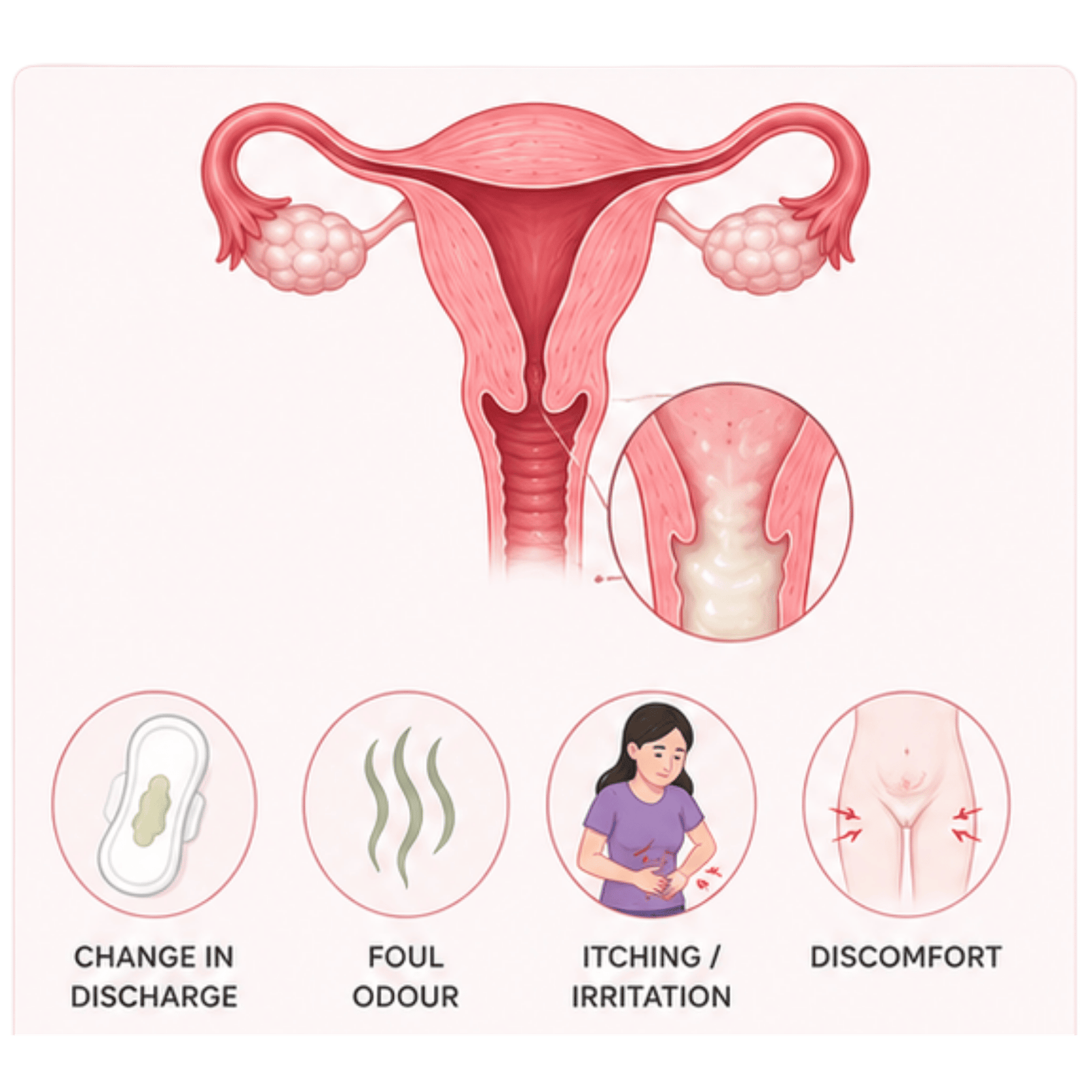
Vaginal Discharge
What it is
When is it required
What to expect
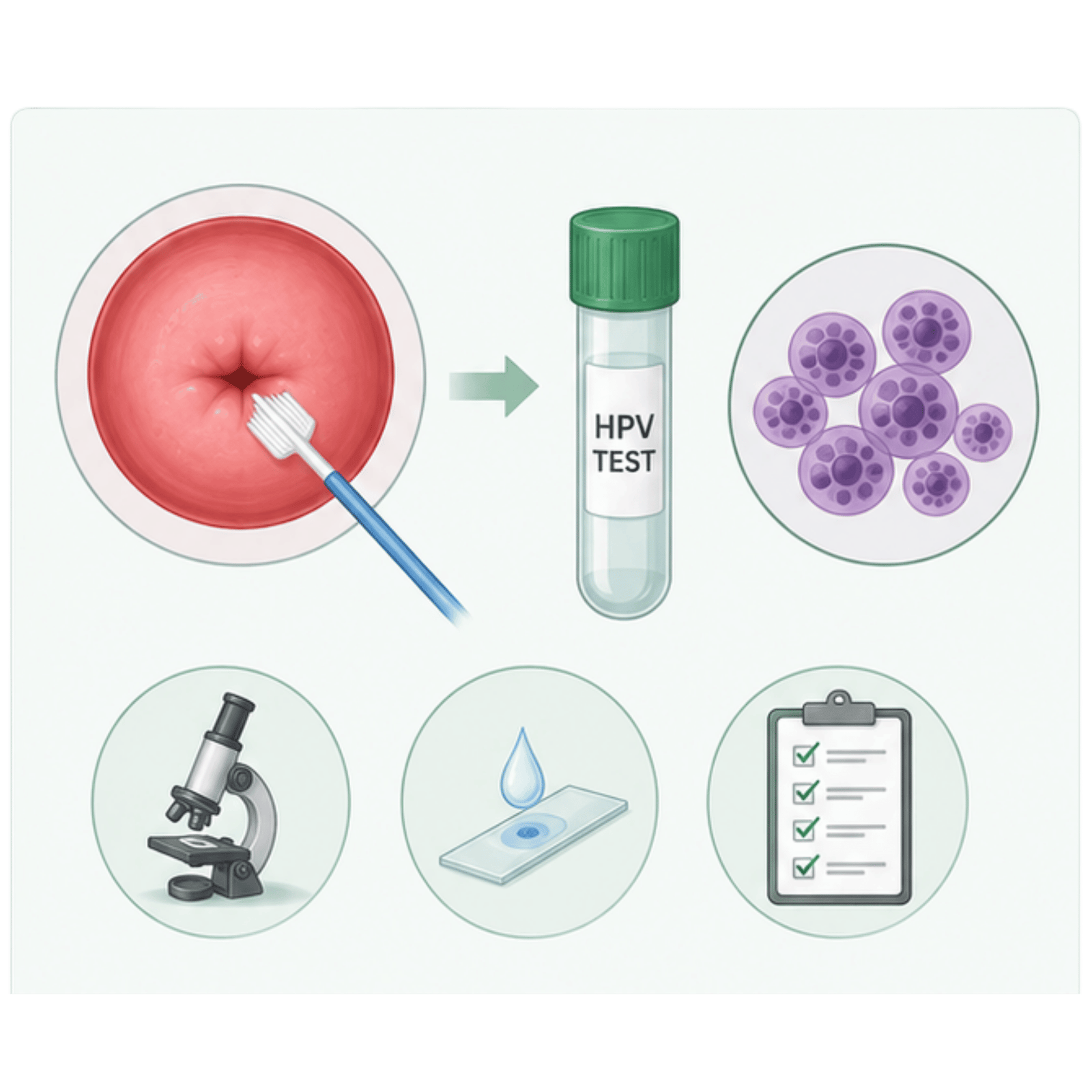
HPV Testing
What it is
When is it required
What to expect

Meet Dr. Rutuja M. Narvekar
Why choose us?
Care that puts you first, at every stage.
From your first consultation to pregnancy, motherhood and beyond, our approach combines medical expertise, evidence-based care and genuine attention to your individual needs.


























What Our Patients Say
Frequently Asked Questions (FAQs)
How do I know if my vaginal discharge is normal?
Normal vaginal discharge can vary throughout the menstrual cycle and may be clear, white or slightly cloudy without a strong unpleasant odour. The amount and consistency can also change around ovulation and other hormonal stages. A new change accompanied by strong odour, itching, burning, pelvic pain, unusual colour or bleeding should be evaluated.
Can a UTI go away on its own?
Some mild urinary symptoms may improve, but you should not assume that a suspected UTI will always resolve without treatment. The appropriate approach depends on your symptoms, medical history and whether you have risk factors or complications. This is particularly important during pregnancy. If you have fever, back or side pain, vomiting, blood in your urine or feel significantly unwell, seek medical attention promptly.
Can I have an STI without symptoms?
Yes. Some sexually transmitted infections can produce few or no obvious symptoms, particularly in their early stages. This means that feeling completely well does not always rule out an STI. Testing may therefore be appropriate after certain exposures or when a partner has been diagnosed with an STI. Dr. Rutuja can discuss your circumstances confidentially and recommend relevant testing.
Will an STI affect my ability to have children?
Some untreated STIs, particularly certain bacterial infections such as chlamydia and gonorrhoea, can lead to complications including pelvic inflammatory disease and may affect fertility. However, an STI diagnosis does not automatically mean that you will have fertility problems. Early testing and appropriate treatment can help reduce the risk of complications. If you have concerns about previous infections and future fertility, Dr. Rutuja can discuss your individual history and reproductive plans.
Is HPV same as cervical cancer?
No. HPV is a very common viral infection, and most infections do not lead to cancer. However, persistent infection with certain high-risk HPV types can cause changes in cervical cells that may eventually develop into cervical cancer if they are not identified and managed. HPV vaccination and appropriate cervical screening help reduce this risk. An HPV-positive result therefore does not mean that you have cervical cancer.