

Fertility Evaluation
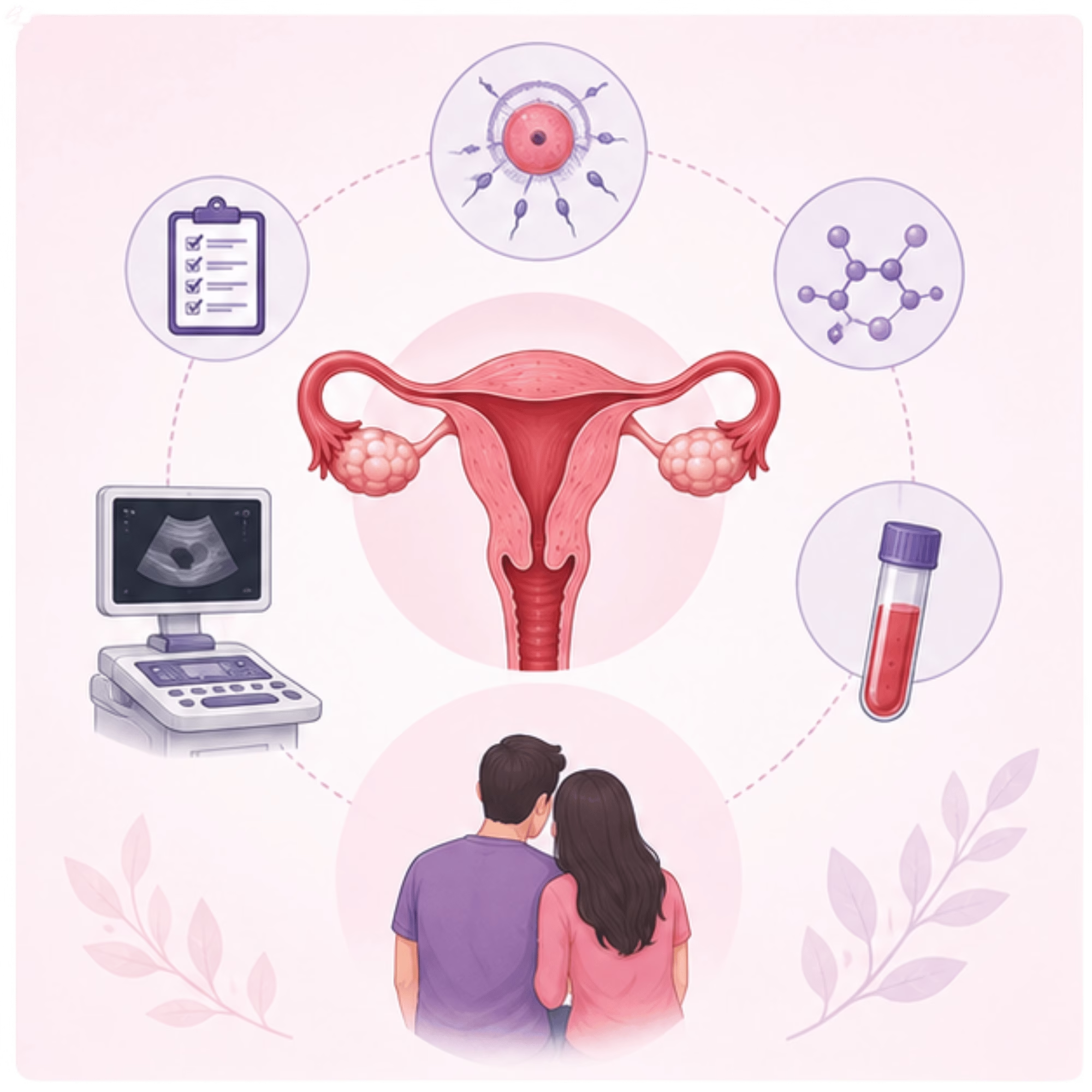
What is fertility evaluation?
- Ovulation and menstrual cycles
- Ovarian function
- Uterus and fallopian tubes
- Hormonal factors
- Previous pregnancies
- Medical and surgical history
- Lifestyle and reproductive factors
- Sperm health when applicable
- Other factors affecting fertility
Start with understanding, not with assumptions
Did you know?
Services
Fertility Care We OfferA personalised evaluation, one step at a time
Initial Fertility Consultation
What it is
When is it required
What to expect
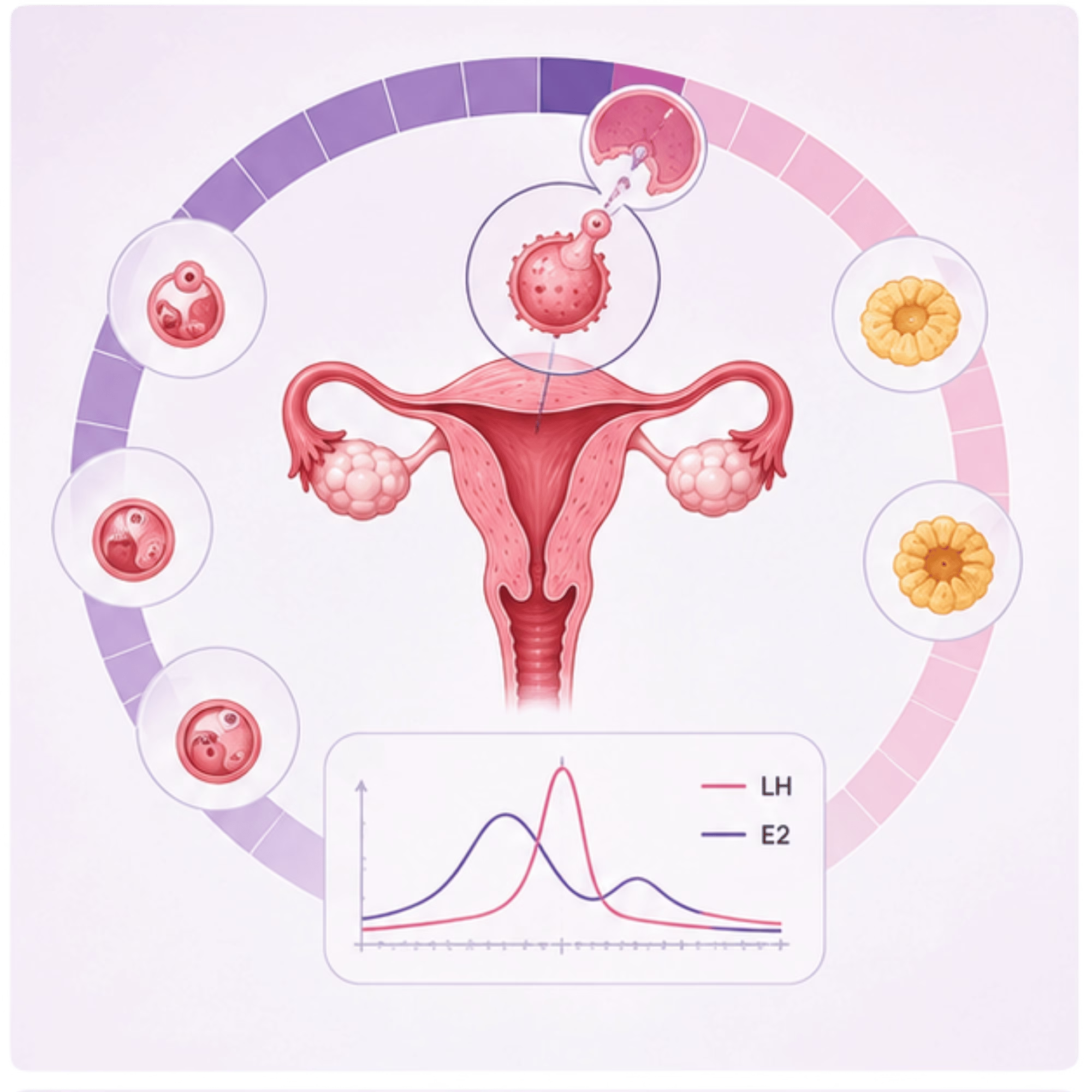
Ovulation Assessment
What it is
When is it required
What to expect
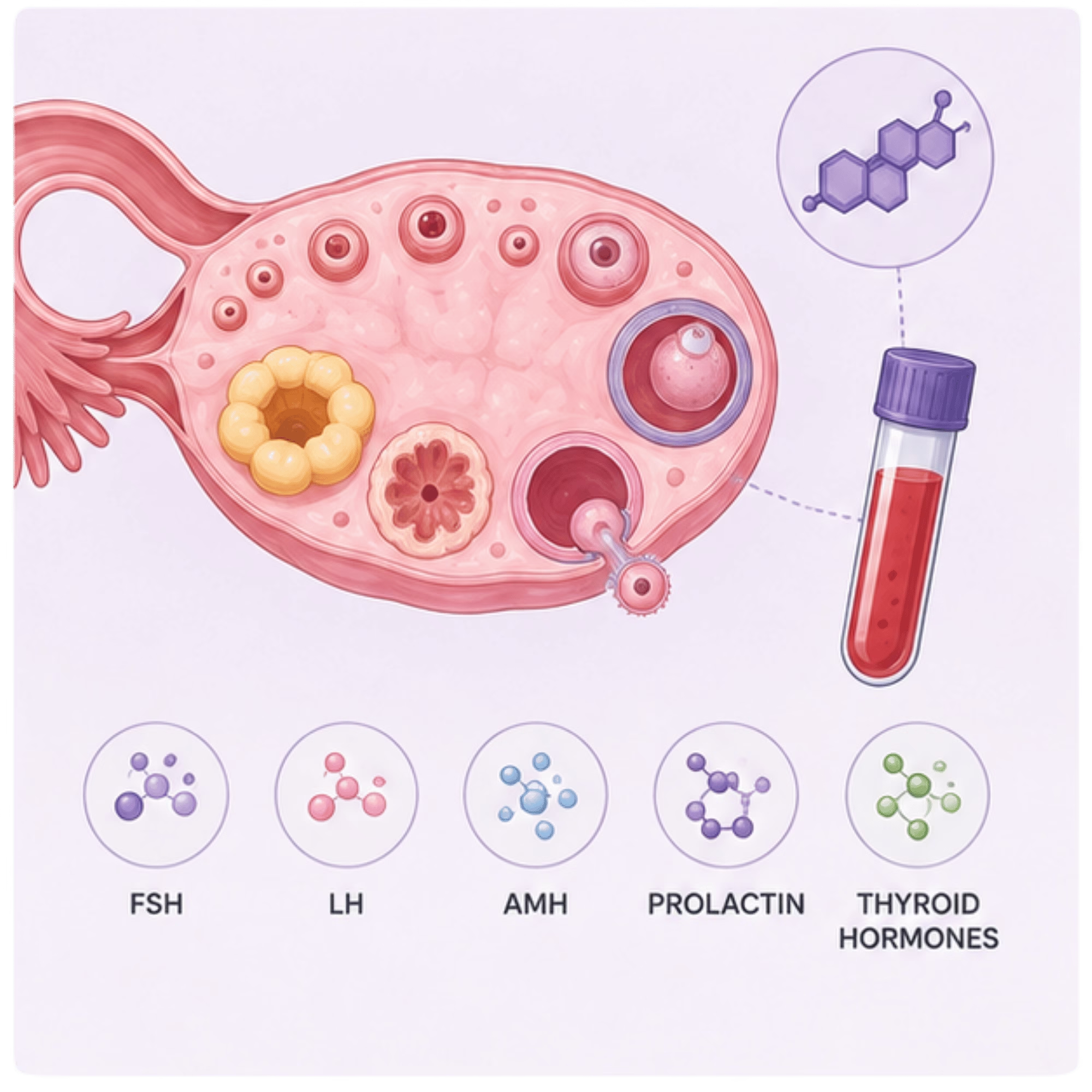
Ovarian & Hormonal Assessment
What it is
When is it required
What to expect
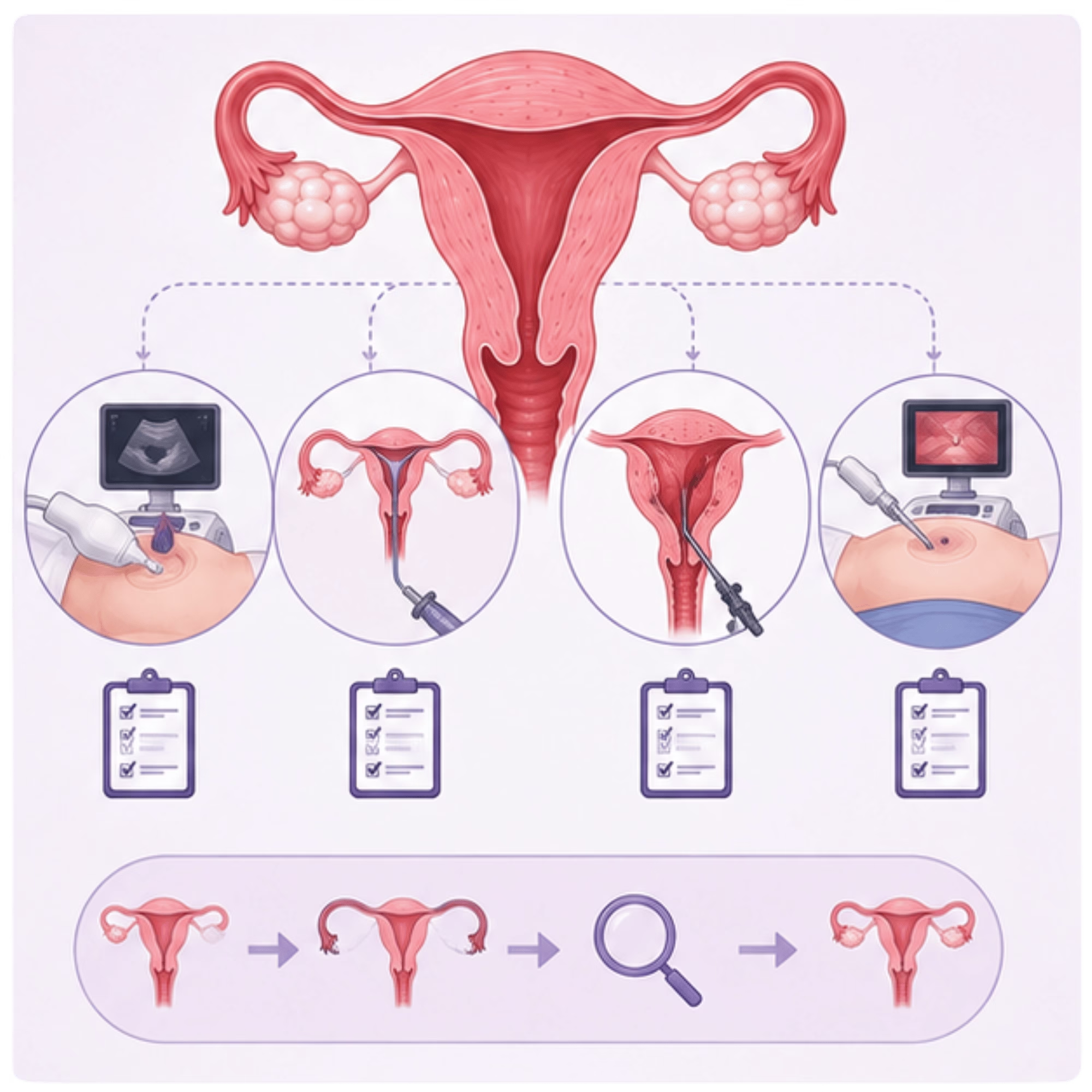
Uterus & Fallopian Tube Evaluation
What it is
When is it required
What to expect

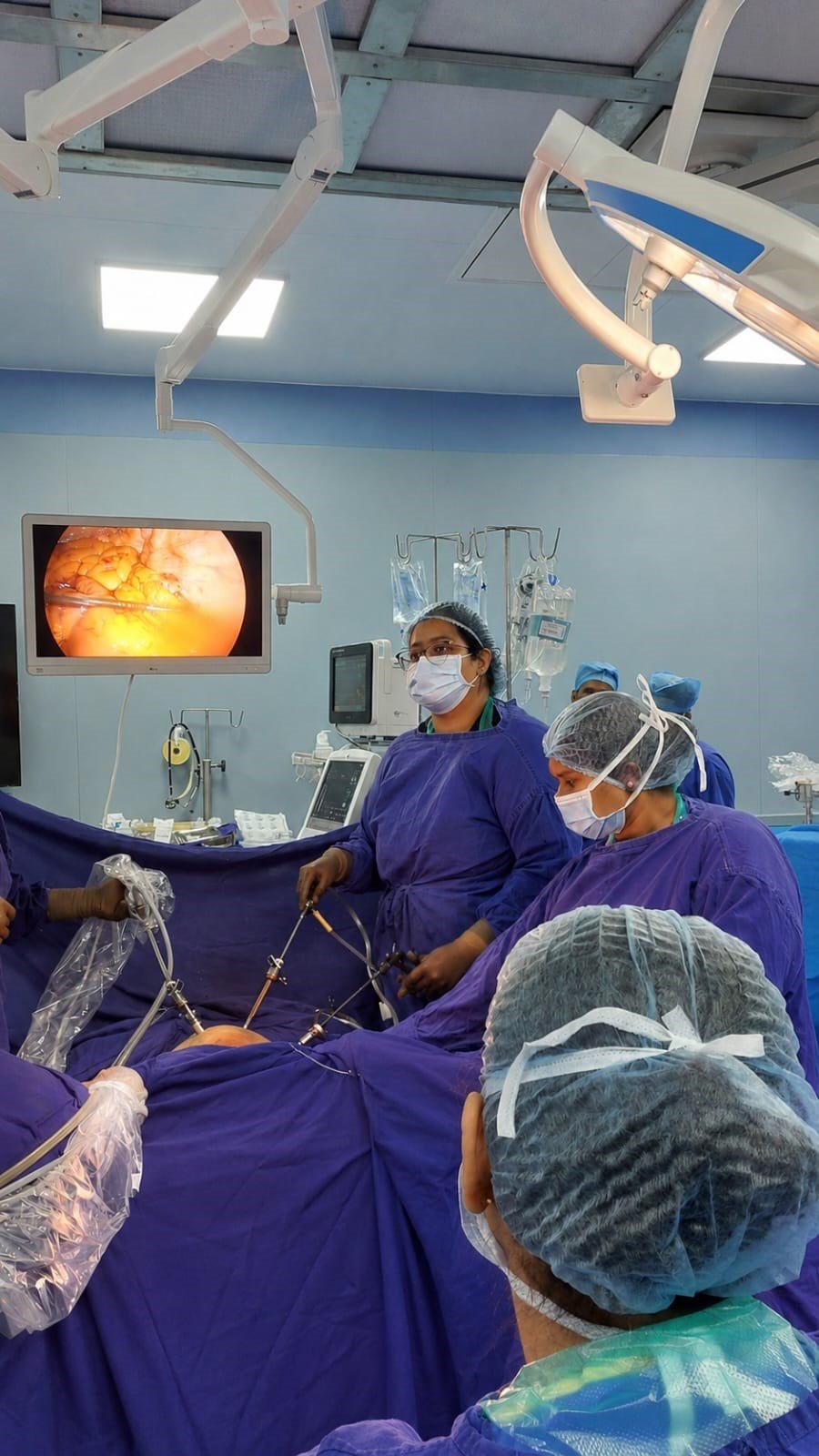
Meet Dr. Rutuja M. Narvekar
Why choose us?
Care that puts you first, at every stage.
From your first consultation to pregnancy, motherhood and beyond, our approach combines medical expertise, evidence-based care and genuine attention to your individual needs.

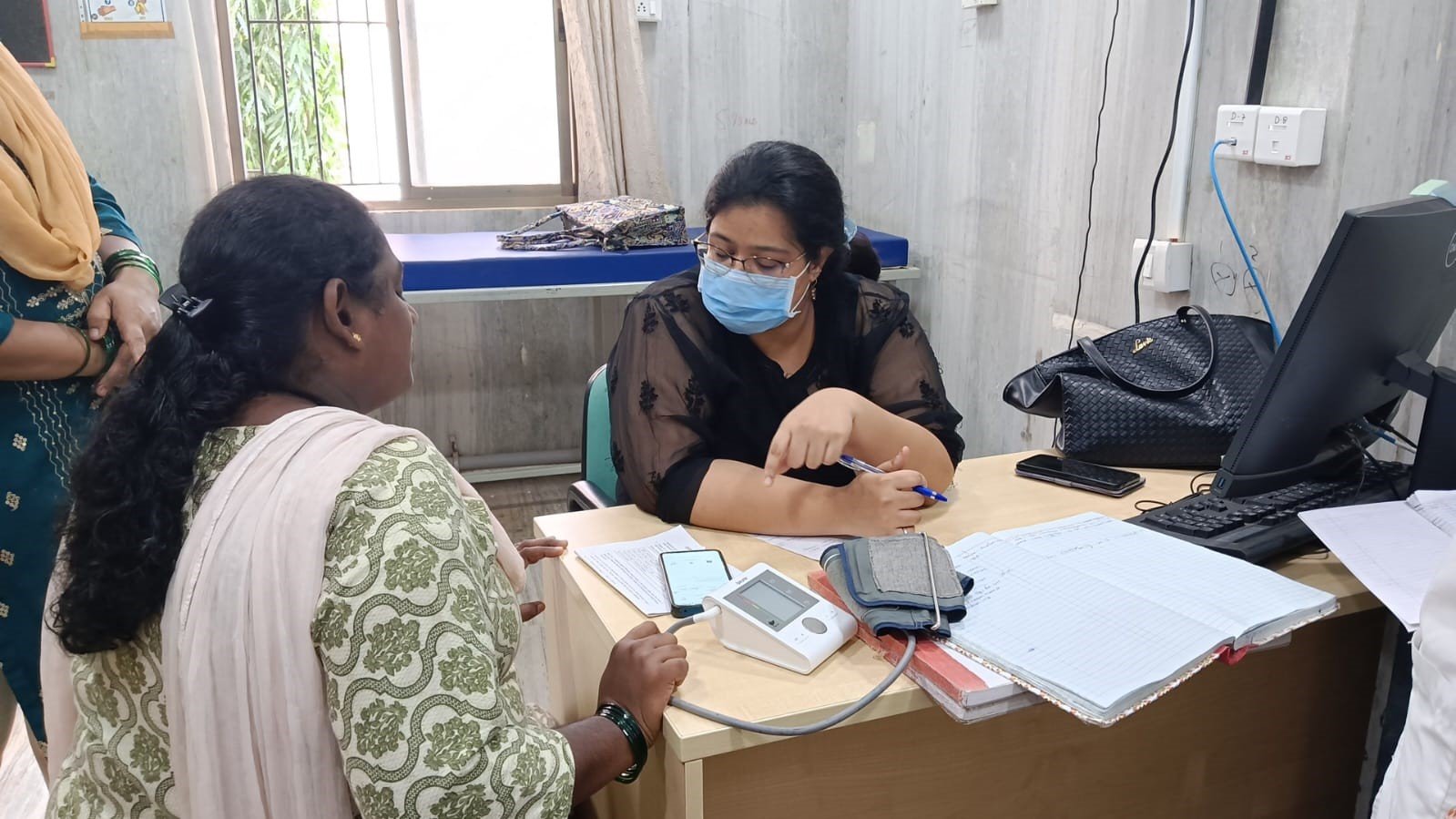

























What Our Patients Say
Frequently Asked Questions (FAQs)
When should I see a fertility specialist if I am trying to conceive?
For many couples, fertility evaluation is considered after 12 months of regular unprotected intercourse without conception when the woman is under 35. For women aged 35 or older, evaluation is generally recommended after six months. However, you do not need to wait this long if you have irregular or absent periods, known PCOS, endometriosis, previous pelvic surgery, a history of ectopic pregnancy or recurrent pregnancy loss, or if there is a known fertility concern affecting either partner.
Does infertility mean I can never be pregnant?
No. Difficulty conceiving does not automatically mean that pregnancy is impossible. Fertility can be affected by many different factors, and some are treatable or manageable. Some couples conceive naturally after evaluation and guidance, while others may need medical or fertility treatment. The first step is understanding the possible factors affecting conception rather than assuming the outcome.
Does fertility evaluation involve only the woman?
No. Fertility can be affected by factors involving the woman, the man, both partners or sometimes factors that cannot be identified through standard investigations. Evaluating both partners when appropriate can help identify possible causes without unnecessarily delaying care. A semen analysis is often a useful initial investigation when male-factor fertility is being assessed.