

Female Sexual Concerns
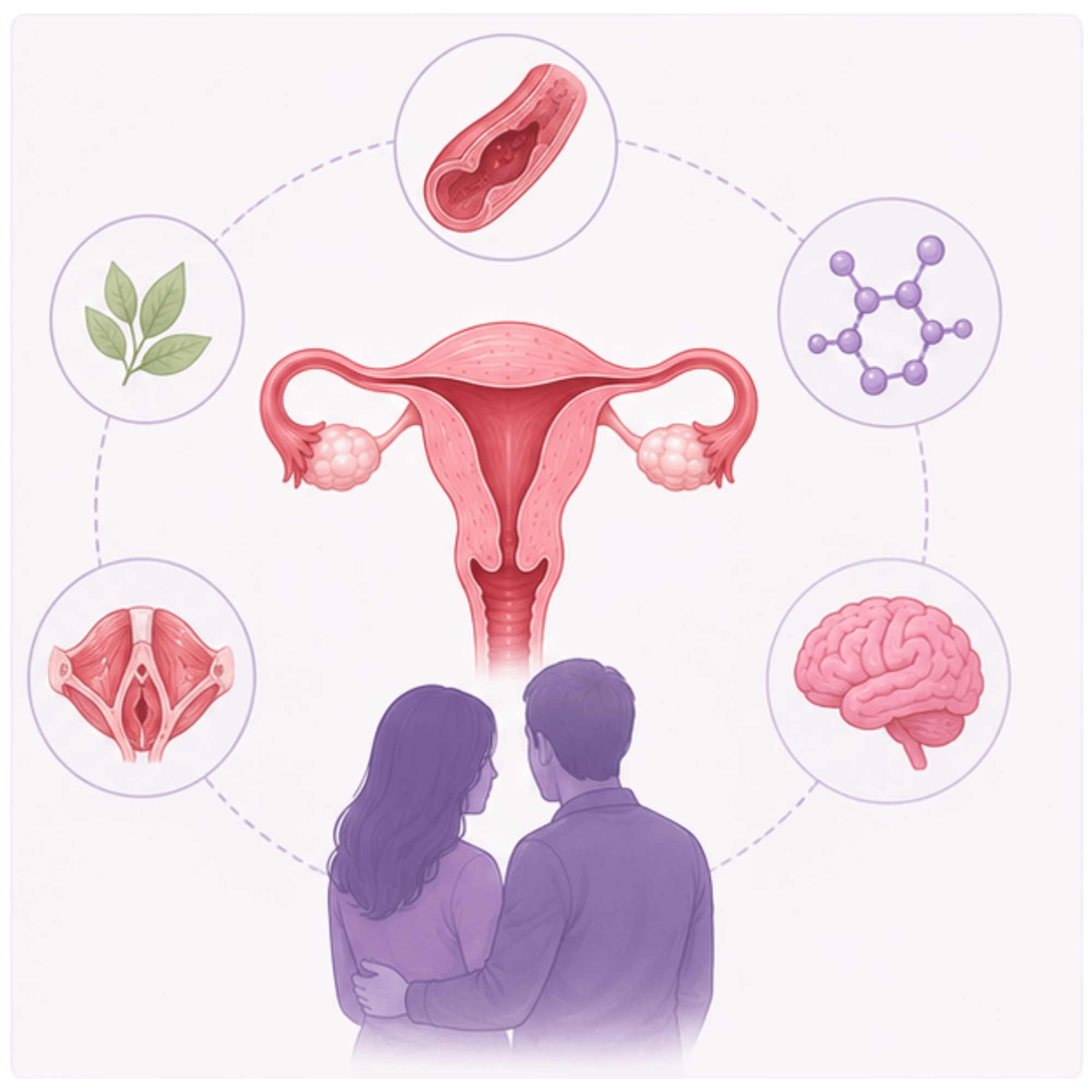
You don’t have to silently live with discomfort
Did you know?
Services
Concerns We AddressEvery concern deserves an individual explanation
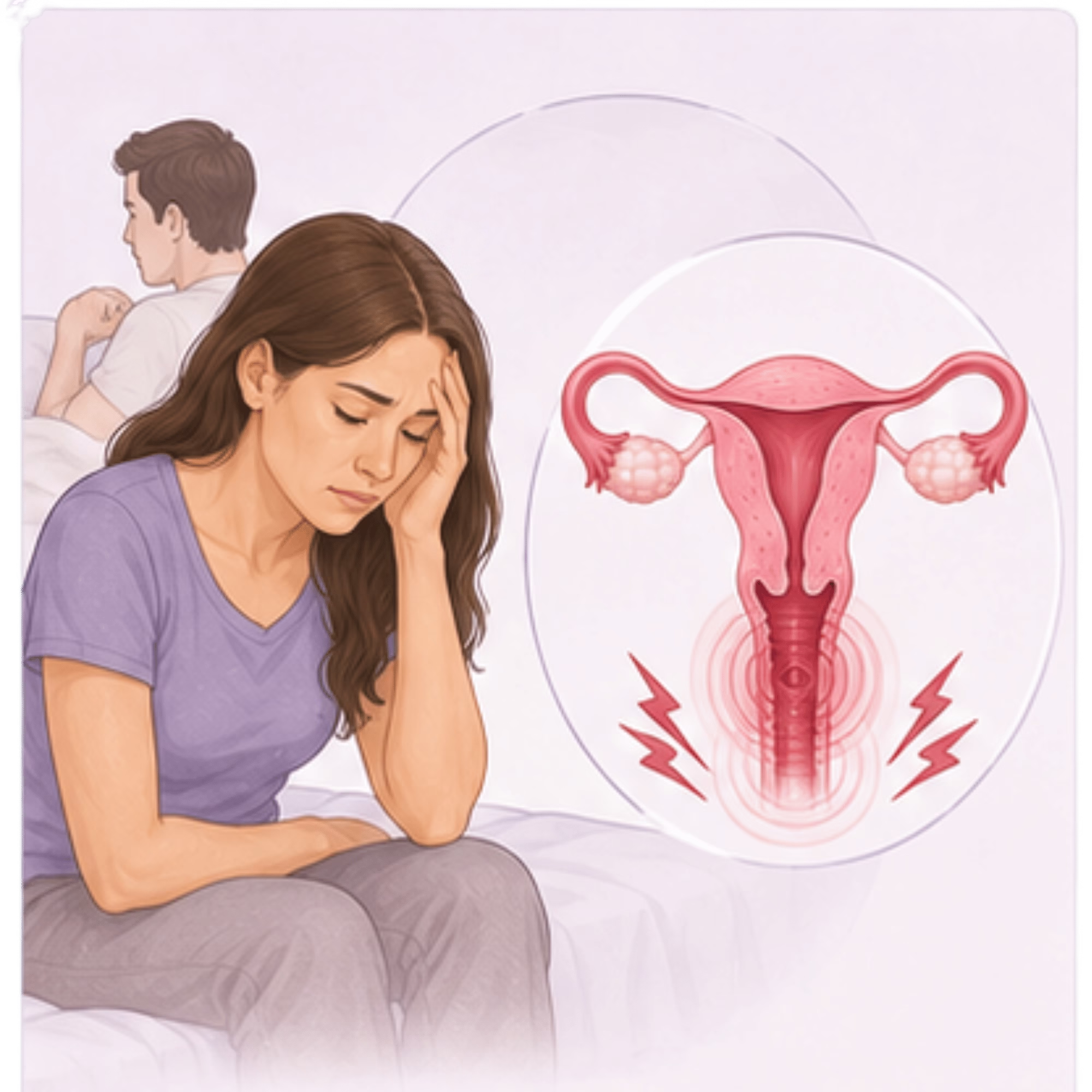
Pain During Sex
What it is
When is it required
What to expect
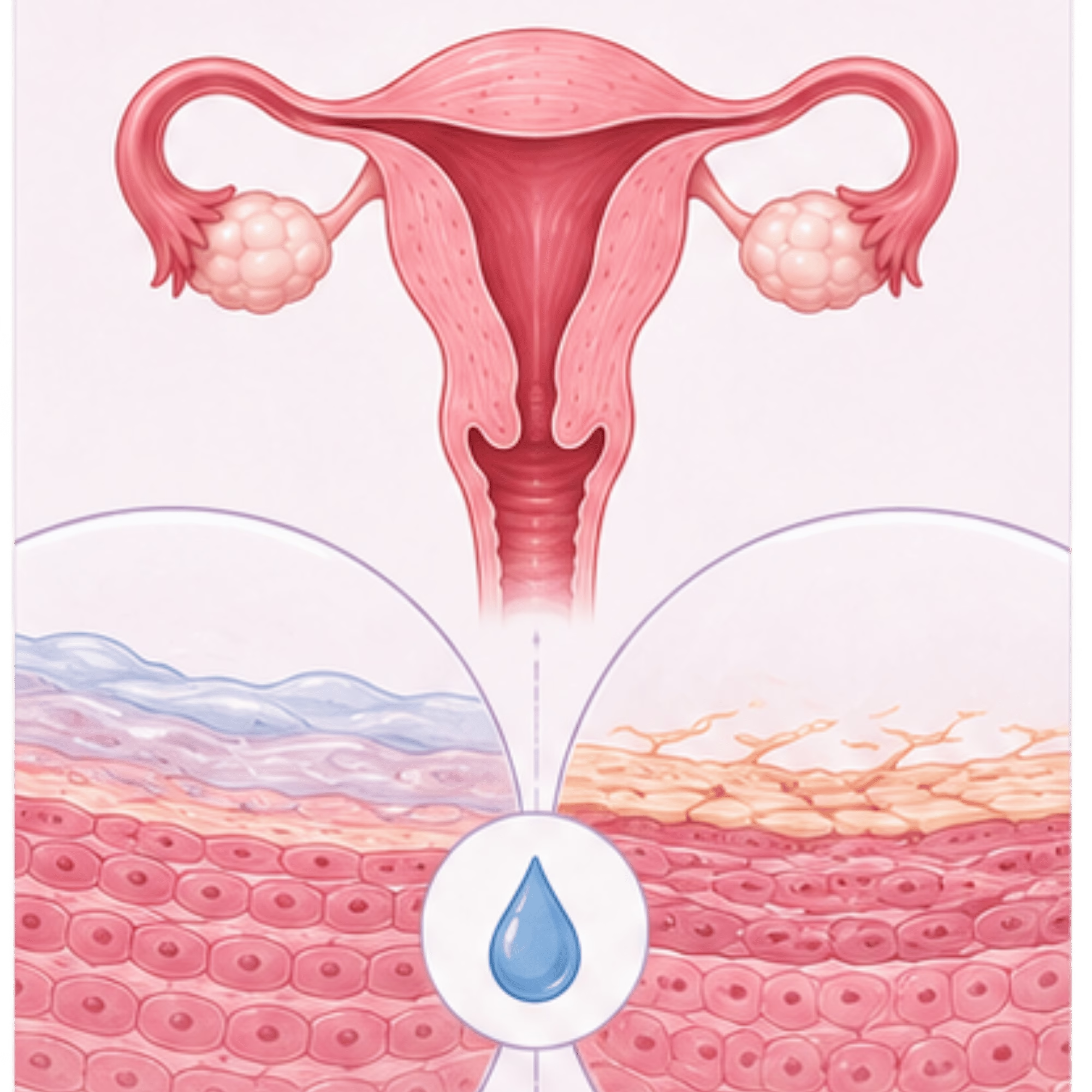
Vaginal Dryness & Discomfort
What it is
When is it required
What to expect
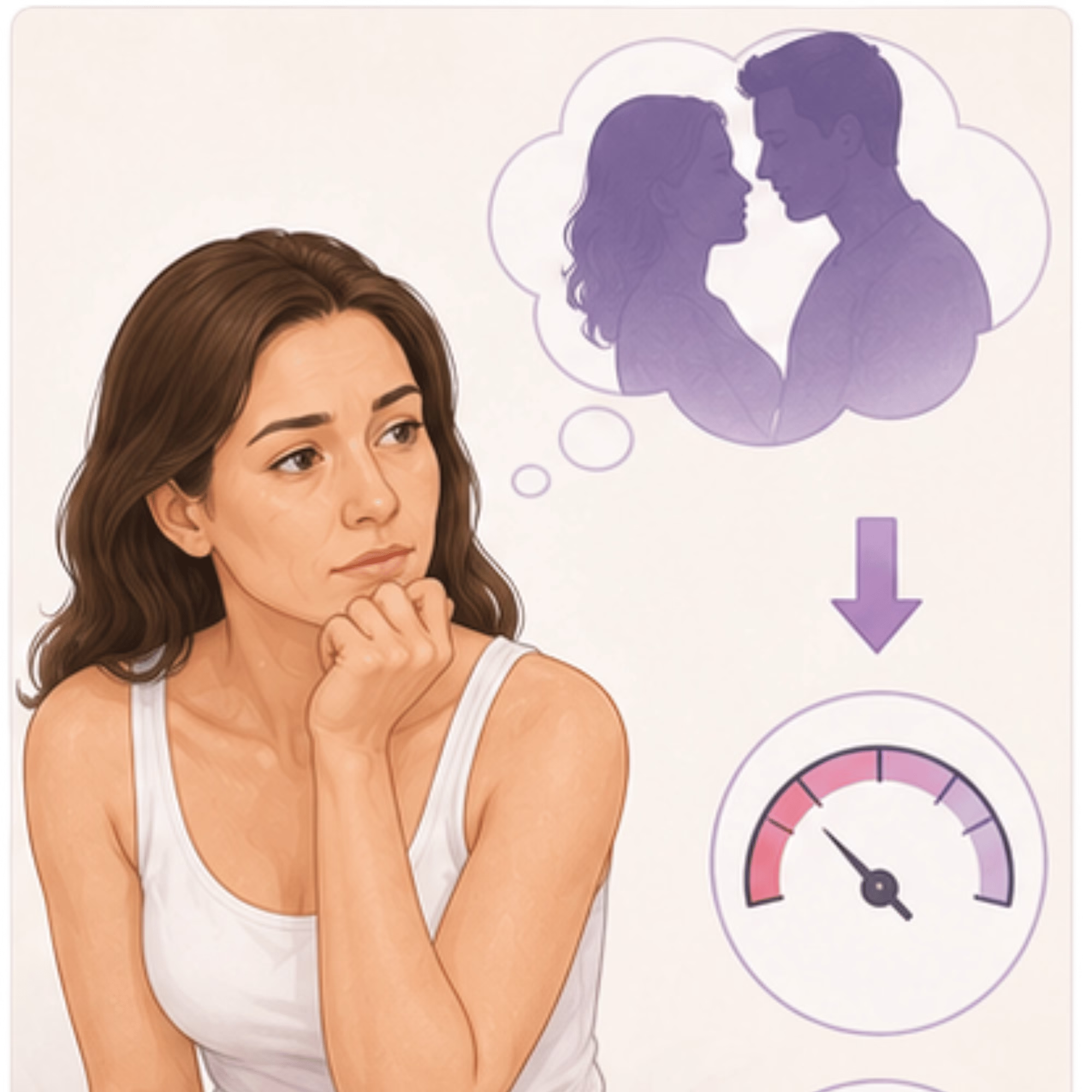
Low Sexual Desire
What it is
When is it required
What to expect
Sexual Concerns After Childbirth
What it is
When is it required
What to expect
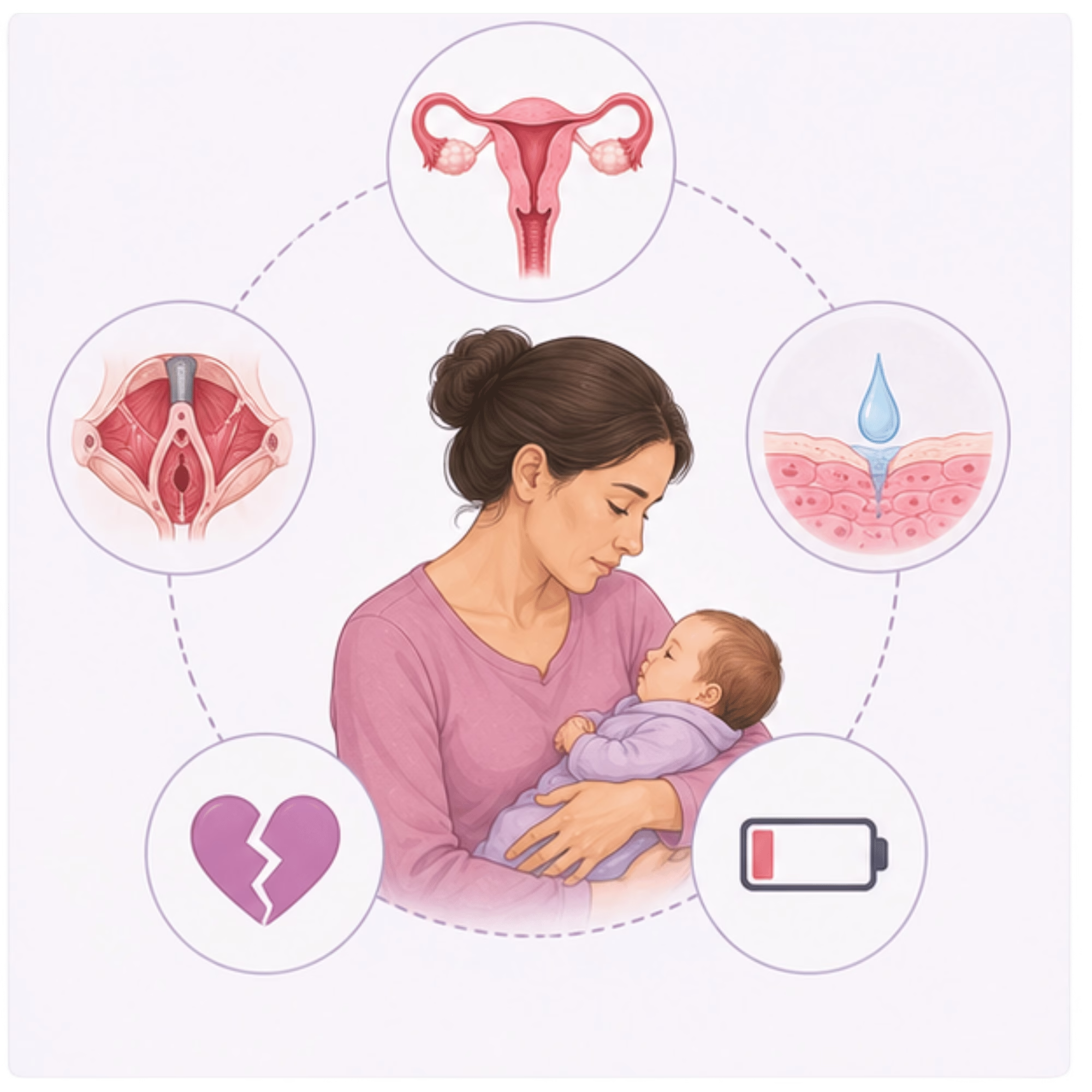
Your Pelvic Floor Plays an Important Role
- Urinary leakage
- Pelvic heaviness
- Pain during intercourse
- Difficulty relaxing pelvic floor muscles
- Changes after childbirth

Meet Dr. Rutuja M. Narvekar
Why choose us?
Care that puts you first, at every stage.
From your first consultation to pregnancy, motherhood and beyond, our approach combines medical expertise, evidence-based care and genuine attention to your individual needs.
























What Our Patients Say
Frequently Asked Questions (FAQs)
Is pain during sex normal?
Some women may experience occasional discomfort, but persistent or recurring pain during sex should not simply be accepted as normal. Pain can have many possible causes, including vaginal dryness, infections, pelvic floor dysfunction, endometriosis, hormonal changes, childbirth-related changes or other gynaecological conditions.
Why does sex hurt after childbirth?
Several factors can contribute to discomfort after childbirth. Vaginal tissues may take time to heal, while tears or episiotomy scars can sometimes remain sensitive. Breastfeeding can also reduce oestrogen levels and contribute to vaginal dryness. Pelvic floor muscles may become tense or weakened following pregnancy and delivery. If pain continues or is affecting your relationship or wellbeing, it is worth discussing with Dr. Rutuja rather than simply waiting indefinitely.
Is vaginal dryness only a menopause problem?
No. Although vaginal dryness is common around menopause, it can occur at other stages of life as well. Breastfeeding, hormonal contraception, certain medications, stress and some medical conditions can contribute to reduced lubrication. The cause matters because treatment should be tailored accordingly.