
Vaginal dryness during menopause is a common concern that can cause irritation, burning, discomfort during intercourse and changes in overall vaginal comfort. Despite being common, many women hesitate to discuss these symptoms and may continue experiencing discomfort without seeking medical advice.
Hormonal changes around perimenopause and menopause can affect vaginal tissues. However, dryness, burning or irritation can also have other causes, so persistent symptoms should not automatically be attributed to menopause.
Women experiencing menopause-related vaginal symptoms can consult Dr. Rutuja Narvekar at Shree Women’s Clinic in Vile Parle, Mumbai, for personalised gynaecological guidance.
Why Does Vaginal Dryness Occur During Menopause?
The hormone oestrogen plays an important role in maintaining vaginal tissues.
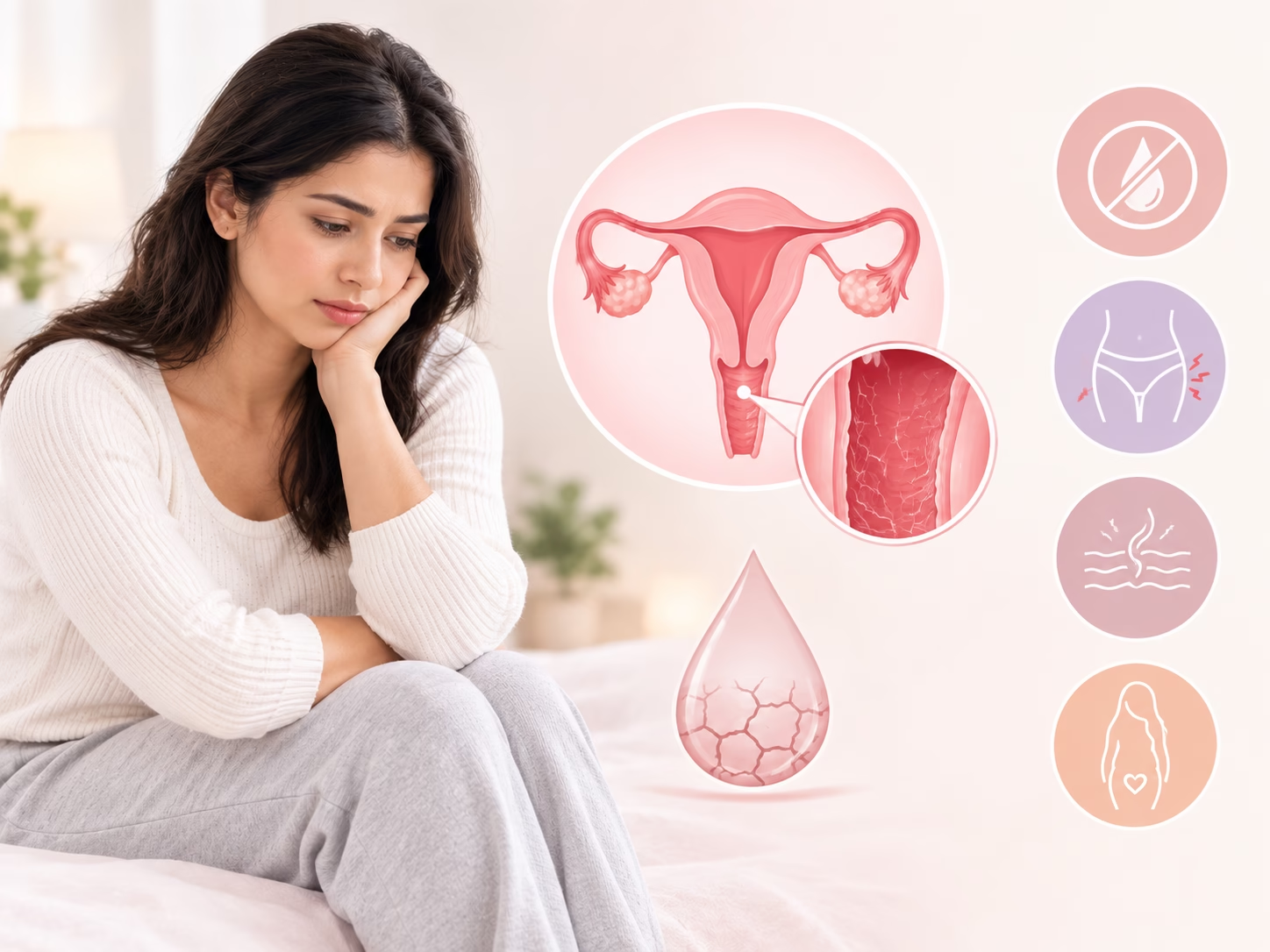
As oestrogen levels change around menopause, vaginal tissues can become:
- Thinner
- Drier
- Less elastic
- More sensitive
Natural vaginal lubrication may also decrease.
For some women, these changes are mild. For others, symptoms can become uncomfortable enough to affect everyday life or sexual health.
Can Vaginal Dryness Start During Perimenopause?
Yes.
Vaginal changes do not necessarily begin only after periods have completely stopped.
Some women notice dryness or discomfort during perimenopause, the transitional period leading up to menopause.
Other perimenopausal symptoms may include:
- Irregular periods
- Hot flashes
- Night sweats
- Sleep disturbances
- Mood changes
- Changes in sexual comfort
Symptoms vary considerably between women.
What Are the Symptoms of Menopause-Related Vaginal Dryness?
Vaginal dryness can involve more than simply feeling “dry.”
Possible symptoms include:
- Vaginal dryness
- Burning
- Irritation
- Itching
- Soreness
- Discomfort during intercourse
- Pain during penetration
- Light spotting associated with irritation
- Certain urinary symptoms
Some women experience only one symptom, while others experience several.
Persistent symptoms deserve medical evaluation, particularly when they are affecting quality of life.
Vaginal Dryness vs Vaginal Infection: How Can You Tell?
Vaginal dryness and infections can sometimes produce overlapping symptoms such as:
- Burning
- Itching
- Irritation
- Discomfort during intercourse
However, infections may also cause changes in vaginal discharge or odour.
It is not always possible to identify the cause from symptoms alone.
If you repeatedly use antifungal or other medication but symptoms continue, consider seeing a gynaecologist rather than assuming that every episode of vaginal irritation is an infection.
Can Vaginal Dryness Cause Pain During Intercourse?
Yes.
Reduced lubrication and changes in vaginal tissues can make intercourse uncomfortable or painful.
Women may experience:
- Burning during penetration
- Soreness
- Pain during intercourse
- Discomfort afterwards
Recurring pain should not simply be tolerated.
Pain during intercourse can also occur due to other conditions, including infections, endometriosis and pelvic floor concerns, so evaluation can help determine the possible cause.
Can Vaginal Dryness Cause Bleeding After Intercourse?
Dry or sensitive vaginal tissues can sometimes contribute to light spotting associated with irritation.
However, bleeding after intercourse should not automatically be assumed to be caused by vaginal dryness.
This is particularly important after menopause.
Any new vaginal bleeding after menopause should be medically evaluated, even when it is light or occurs only once.
Is Vaginal Dryness Only a Sexual Health Problem?
No.
Although vaginal dryness is often discussed in relation to intercourse, symptoms can affect women even when they are not sexually active.
Dryness can cause:
- Everyday irritation
- Burning
- Soreness
- Discomfort while sitting or exercising
- Urinary discomfort
- General changes in vaginal comfort
It is therefore a broader gynaecological and menopause-health concern.
Can Menopause Affect Urinary Symptoms?
Hormonal changes around menopause can also influence tissues surrounding the urinary tract.
Some women may notice symptoms such as:
- Increased urinary frequency
- Urgency
- Burning
- Recurrent urinary discomfort
However, urinary symptoms can also occur with infections and other conditions.
New or persistent urinary symptoms should be evaluated rather than automatically attributed to menopause.
Can Vaginal Dryness Cause Recurrent Infections?
Vaginal tissue and microbial changes around menopause can influence vaginal and urinary health.
However, recurring itching, discharge or burning should not automatically be diagnosed as infection.
Repeated symptoms may require evaluation to determine whether they are related to:
- Vaginal dryness
- Hormonal tissue changes
- Yeast infection
- Bacterial imbalance
- Urinary infection
- Another vulval or vaginal condition
This distinction matters because the appropriate treatment can differ substantially.
When Should You See a Gynaecologist for Vaginal Dryness?
Consider consulting a gynaecologist if:
- Dryness persists
- Burning or irritation keeps returning
- Intercourse becomes painful
- Symptoms affect everyday activities
- You experience urinary symptoms
- You repeatedly suspect vaginal infections
- You experience bleeding
- Over-the-counter measures do not provide adequate relief
- You are uncertain whether symptoms are actually menopause-related
You do not need to wait until symptoms become severe before discussing them.
How Is Vaginal Dryness Evaluated?
Evaluation usually begins with a discussion of symptoms and medical history.
Your gynaecologist may ask about:
- Menstrual history
- Menopause status
- Vaginal symptoms
- Vaginal discharge
- Pain during intercourse
- Bleeding
- Urinary symptoms
- Current medications
- Previous treatments
- Existing medical conditions
Depending on the symptoms, an examination or additional testing may be recommended.
Not every woman requires the same investigations.
How Is Vaginal Dryness During Menopause Treated?
Treatment depends on the severity and cause of symptoms as well as individual medical history.
Management may include non-hormonal measures or medical treatments where appropriate.
A gynaecologist can discuss available options and whether they are suitable based on factors such as:
- Symptoms
- Age
- Menopause stage
- Medical history
- Current medications
- Personal preferences
There is no single vaginal dryness treatment in Mumbai that is appropriate for every woman.
Vaginal Moisturisers vs Lubricants: Are They the Same?
No.
Although the terms are sometimes used interchangeably, they serve different purposes.
Lubricants are generally used to reduce friction during sexual activity.
Vaginal moisturisers are intended to provide longer-lasting moisture and may be used regularly depending on the product and individual needs.
A healthcare professional can advise whether either is appropriate for your symptoms.
Should You Use Intimate Washes for Vaginal Dryness?
Harsh or heavily scented intimate products can sometimes worsen irritation.
The vagina does not require aggressive internal cleansing.
If dryness or irritation is present:
- Avoid excessive washing
- Avoid strongly scented products
- Avoid products that repeatedly trigger irritation
- Maintain gentle external hygiene
If symptoms persist despite avoiding irritants, seek medical advice.
Vaginal Dryness and Menopause Health
Menopause involves more than the end of menstrual periods.
Women’s health considerations during and after menopause can include:
- Vaginal health
- Sexual health
- Bone health
- Cardiovascular health
- Urinary health
- Preventive screening
- Unexpected vaginal bleeding
Vaginal symptoms should therefore be discussed as part of overall menopause care rather than treated as an embarrassing or isolated problem.
Vaginal Dryness Treatment in Vile Parle, Mumbai
Women experiencing persistent vaginal dryness, burning or discomfort around menopause can seek gynaecological evaluation to determine whether symptoms are related to hormonal changes or another condition.
Dr. Rutuja Narvekar at Shree Women’s Clinic provides gynaecological consultation in Vile Parle, Mumbai, for women’s health concerns across different stages of life.
If symptoms are accompanied by menstrual or uterine bleeding concerns, the clinic’s Period Related Concerns service provides information about related gynaecological conditions.
Frequently Asked Questions About Vaginal Dryness During Menopause
Is vaginal dryness normal during menopause?
Hormonal changes during menopause can contribute to vaginal dryness in many women. However, persistent symptoms can be evaluated and managed rather than simply tolerated.
Can vaginal dryness start before menopause?
Yes. Vaginal changes can begin during perimenopause before menstrual periods have completely stopped.
Can vaginal dryness cause painful intercourse?
Yes. Reduced lubrication and changes in vaginal tissues can make intercourse uncomfortable or painful.
Can vaginal dryness cause itching?
Dryness and tissue irritation can sometimes cause itching or burning, but infections and other conditions can produce similar symptoms.
Can vaginal dryness cause bleeding?
Sensitive or irritated vaginal tissues may sometimes contribute to spotting. However, vaginal bleeding after menopause should always be medically evaluated.
Is vaginal dryness the same as a yeast infection?
No. Symptoms can overlap, but vaginal dryness and yeast infections have different causes and may require different management.
Which doctor should I consult for vaginal dryness during menopause?
A gynaecologist can evaluate menopause-related vaginal symptoms and determine whether treatment or additional investigation is appropriate.
Where can I get vaginal dryness treatment in Mumbai?
Women experiencing persistent menopause-related vaginal dryness can consult Dr. Rutuja Narvekar at Shree Women’s Clinic in Vile Parle, Mumbai.
Consult a Gynaecologist for Vaginal Dryness During Menopause
Vaginal dryness during menopause is common, but persistent burning, irritation or painful intercourse does not need to be silently tolerated. Similar symptoms can also occur with infections and other conditions, making appropriate evaluation important.
If you are experiencing vaginal dryness during menopause and looking for a gynaecologist in Mumbai or Vile Parle, you can consult Dr. Rutuja Narvekar at Shree Women’s Clinic for personalised women’s health guidance.