
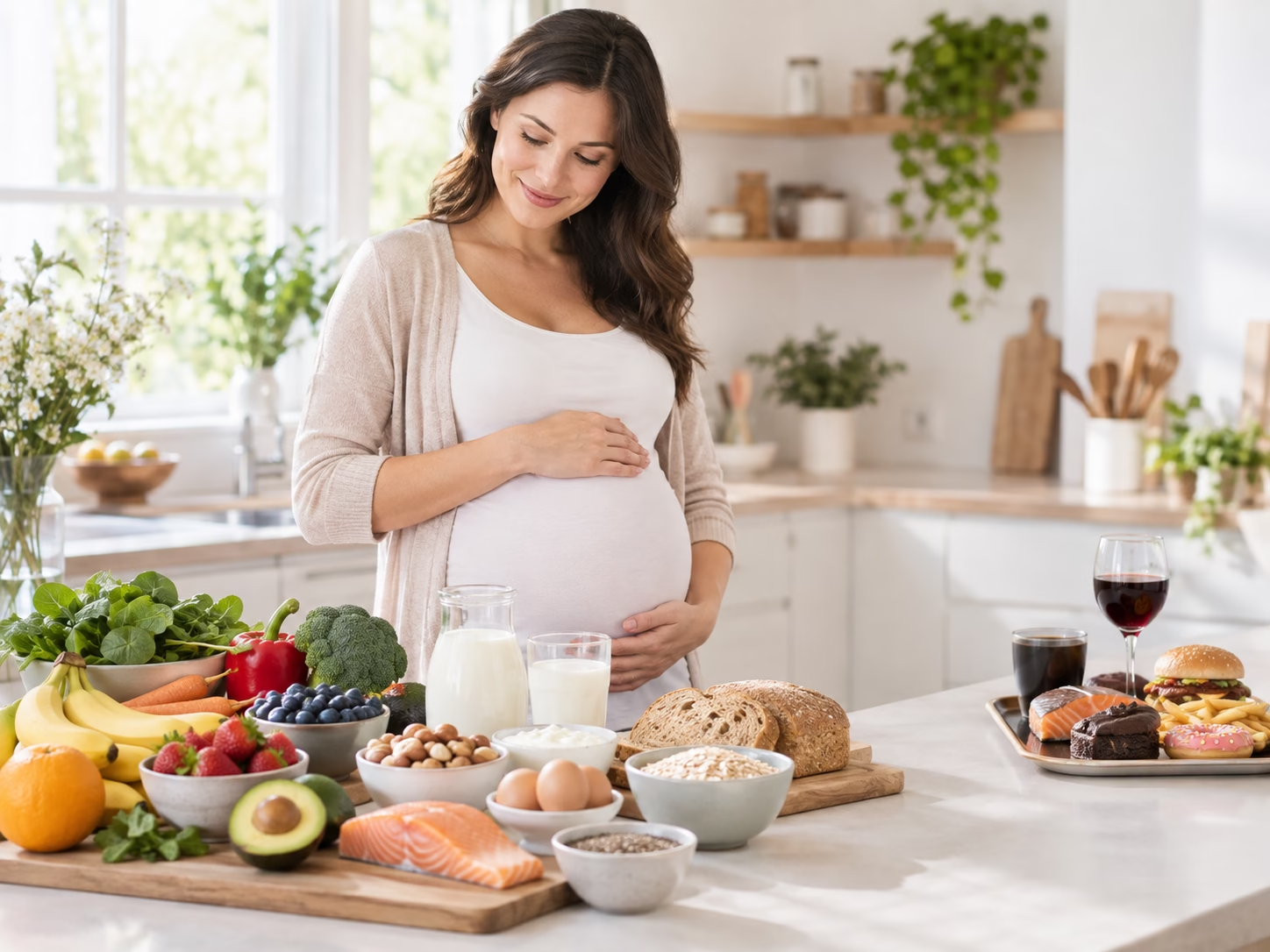
A balanced pregnancy diet in Mumbai should provide the nutrients needed to support both maternal health and the baby’s development. Pregnancy does not simply mean eating more food. The focus should be on food quality, variety, safety and individual nutritional requirements.
Dietary needs can also differ depending on the stage of pregnancy, existing medical conditions, weight, blood test results and whether conditions such as gestational diabetes or anaemia are present.
Women looking for pregnancy and nutrition guidance in Vile Parle, Mumbai can consult Dr. Rutuja Narvekar at Shree Women’s Clinic for personalised obstetric guidance.
Why Is Nutrition Important During Pregnancy?
Pregnancy places additional nutritional demands on the body.
A balanced diet provides nutrients involved in:
- Fetal growth and development
- Maternal health
- Formation of blood cells
- Bone health
- Energy
- Healthy weight gain
- Overall pregnancy wellbeing
Rather than following restrictive diets or generic pregnancy meal plans found online, focus on maintaining a varied and nutritionally balanced diet.
Your individual requirements should be discussed with your pregnancy doctor when necessary.
What Should You Eat During Pregnancy?
A healthy pregnancy diet generally includes foods from several nutritional groups.
Vegetables
Include a variety of vegetables in your meals.
Different vegetables provide different vitamins, minerals and fibre, so variety is more useful than relying on one particular “pregnancy superfood.”
Fruits
Fresh fruits can provide vitamins, minerals and fibre.
Wash fruits thoroughly before eating them.
Whole fruits are generally preferable to relying heavily on juices because they retain more fibre.
Whole Grains
Whole grains can provide carbohydrates, fibre and several nutrients.
Depending on your usual diet, options may include:
- Whole wheat roti
- Brown rice
- Oats
- Millets
- Other whole grains
Portion requirements vary between individuals.
Protein-Rich Foods
Protein is important during pregnancy.
Sources may include:
- Dal and pulses
- Beans
- Eggs
- Dairy products
- Paneer
- Nuts and seeds
- Fish or meat where appropriate
Vegetarian and non-vegetarian diets can both support pregnancy when appropriately balanced.
Dairy or Suitable Alternatives
Milk, curd, paneer and other suitable sources can contribute protein and calcium.
Women who cannot tolerate dairy should discuss appropriate alternatives with their healthcare provider.
Do You Need to Eat for Two During Pregnancy?
No.
The phrase “eating for two” can be misleading.
Pregnancy does increase nutritional requirements, but this does not mean doubling food intake.
The appropriate amount of additional energy varies according to pregnancy stage, pre-pregnancy health, weight and activity level.
Focus on nutrient quality rather than simply increasing portion sizes substantially.
Protein During Pregnancy
Protein contributes to maternal tissues and fetal growth.
Rather than relying on supplements automatically, include suitable protein sources throughout the day.
Vegetarian sources can include:
- Dal
- Lentils
- Beans
- Paneer
- Curd
- Nuts
- Seeds
Non-vegetarian options may include properly cooked eggs, fish, poultry and meat where appropriate.
If you have dietary restrictions, discuss how to meet your protein needs with your healthcare provider.
Iron During Pregnancy
Iron requirements increase during pregnancy because the body needs to support increased blood production.
Iron-containing foods can include:
- Green leafy vegetables
- Pulses
- Beans
- Certain nuts and seeds
- Fortified foods
- Meat where appropriate
Some women may require iron supplementation based on their medical history and blood test results.
Do not assume that diet alone is sufficient if your doctor has diagnosed iron-deficiency anaemia.
Why Is Folic Acid Important?
Folic acid is particularly important around conception and during early pregnancy because it contributes to early fetal development.
Pregnancy doctors commonly recommend folic acid supplementation according to individual circumstances.
The appropriate dosage may differ depending on medical history.
Take supplements according to your doctor’s advice rather than copying another person’s pregnancy prescription.
Calcium and Vitamin D During Pregnancy
Calcium contributes to maternal and fetal bone health.
Dietary calcium can come from foods such as:
- Milk
- Curd
- Paneer
- Certain fortified foods
- Other suitable dietary sources
Vitamin D is also relevant to bone health.
Whether supplementation is necessary should be determined according to individual medical requirements.
Should You Take Pregnancy Supplements?
Supplements may be recommended during pregnancy depending on nutritional requirements, medical history and test results.
These may include nutrients such as:
- Folic acid
- Iron
- Calcium
- Vitamin D
- Other nutrients when appropriate
However, more supplements do not automatically mean a healthier pregnancy.
Certain vitamins and supplements can be inappropriate in excessive amounts.
Tell your pregnancy doctor about all supplements you are currently taking.
Foods to Avoid During Pregnancy
Food safety is particularly important during pregnancy because certain foodborne infections can be more significant for pregnant women.
General precautions can include avoiding:
- Raw or undercooked meat
- Raw or inadequately cooked eggs where relevant
- Unpasteurised dairy products
- Foods prepared under questionable hygiene conditions
- Raw or undercooked seafood
- Alcohol
Wash fruits and vegetables thoroughly and follow appropriate food-storage practices.
Individual recommendations can differ, so discuss specific foods with your obstetrician when uncertain.
Can You Drink Coffee During Pregnancy?
Caffeine intake generally needs moderation during pregnancy.
Coffee is not the only source of caffeine. It can also be present in:
- Tea
- Cola
- Energy drinks
- Chocolate
- Certain medications
Discuss appropriate caffeine intake with your pregnancy doctor, particularly if you consume several caffeinated drinks daily.
Should You Avoid Street Food During Pregnancy?
Mumbai has a strong street-food culture, but food hygiene becomes particularly important during pregnancy.
The concern is not necessarily a particular cuisine. It is how food is:
- Prepared
- Stored
- Cooked
- Handled
- Served
During pregnancy, be cautious with foods that may have been exposed to poor hygiene, unsafe water or inadequate refrigeration.
Choose freshly prepared, properly cooked food from hygienic sources.
What Should Vegetarians Eat During Pregnancy?
A vegetarian pregnancy diet can provide appropriate nutrition when planned carefully.
Useful food groups can include:
- Dal
- Pulses
- Beans
- Paneer
- Curd
- Milk or suitable alternatives
- Whole grains
- Vegetables
- Fruits
- Nuts
- Seeds
Women following vegan or highly restrictive diets may need additional guidance to ensure adequate intake of nutrients such as vitamin B12, iron, calcium and protein.
Pregnancy Diet for Nausea and Morning Sickness
Nausea can make eating difficult, particularly during early pregnancy.
Some women find it easier to:
- Eat smaller meals
- Avoid long gaps between meals
- Stay adequately hydrated
- Avoid smells or foods that trigger nausea
- Choose simple foods they can tolerate
Contact your doctor if vomiting becomes severe, you cannot keep fluids down or you develop signs of dehydration.
Pregnancy Diet and Gestational Diabetes
Women diagnosed with gestational diabetes may require specific dietary guidance to help manage blood glucose levels.
This does not mean eliminating all carbohydrates.
The appropriate approach can involve:
- Meal timing
- Portion management
- Carbohydrate quality
- Appropriate protein
- Blood glucose monitoring
- Physical activity when medically suitable
Follow the plan recommended by your healthcare team rather than using restrictive online “diabetes diets.”
Pregnancy Diet and Thyroid Conditions
Women with thyroid conditions should continue appropriate medical monitoring during pregnancy.
Diet alone should not replace prescribed thyroid treatment.
Tell your obstetrician about your thyroid condition and any medication or supplements you take.
Certain supplements may also interact with medication timing, so follow your doctor’s instructions.
How Much Water Should You Drink During Pregnancy?
Adequate hydration is important during pregnancy.
Fluid requirements vary depending on:
- Weather
- Physical activity
- Diet
- Pregnancy stage
- Individual health
Mumbai’s warm and humid climate can also increase fluid needs for some women.
Water should generally be your main source of hydration.
Speak with your healthcare provider if you have a medical condition that requires specific fluid guidance.
How Much Weight Should You Gain During Pregnancy?
There is no single ideal pregnancy weight gain that applies to every woman.
Appropriate weight gain depends partly on pre-pregnancy body composition, overall health and pregnancy circumstances.
Rather than comparing your weight gain with someone else’s pregnancy, discuss your individual progress during antenatal appointments.
The objective should be appropriate maternal and fetal health, not pursuing a particular number based on social media or generic charts.
Pregnancy Nutrition in Vile Parle, Mumbai
Pregnancy nutrition should be personalised when medical conditions, nutritional deficiencies or pregnancy complications are present.
Women looking for pregnancy diet guidance in Vile Parle can discuss nutrition as part of their antenatal consultations with Dr. Rutuja Narvekar at Shree Women’s Clinic.
Your doctor can consider factors such as blood tests, medical history, pregnancy stage and individual dietary requirements when providing guidance.
Frequently Asked Questions About Pregnancy Diet
What should I eat every day during pregnancy?
Aim for a varied diet containing vegetables, fruits, whole grains, appropriate protein sources and other foods that meet your nutritional needs. Individual requirements vary.
Do I need to eat for two?
No. Pregnancy increases nutritional needs, but it does not mean doubling your normal food intake.
Can I eat Indian food during pregnancy?
Yes. A balanced Indian diet can provide suitable pregnancy nutrition. Focus on variety, appropriate portions and safe food preparation.
Can I eat outside food during pregnancy?
Food hygiene is particularly important during pregnancy. Choose freshly prepared and properly cooked food from hygienic sources.
Can I drink tea or coffee during pregnancy?
Caffeine generally needs moderation during pregnancy. Discuss your total caffeine intake with your pregnancy doctor.
Is a vegetarian diet safe during pregnancy?
A well-planned vegetarian diet can support pregnancy. Women with restrictive diets may need additional nutritional assessment or supplementation.
Do I need protein powder during pregnancy?
Not every pregnant woman requires protein powder. Dietary needs and supplements should be considered individually with your healthcare provider.
Which doctor should I consult about pregnancy nutrition?
Your obstetrician can provide pregnancy-specific nutritional guidance and determine whether additional dietetic support is appropriate.
Get Pregnancy Diet Guidance in Mumbai
A healthy pregnancy diet is based on balance, food safety and individual nutritional needs rather than restrictive diets or internet trends.
If you are pregnant and looking for pregnancy diet guidance in Mumbai or pregnancy nutrition guidance in Vile Parle, you can consult Dr. Rutuja Narvekar at Shree Women’s Clinic for personalised obstetric guidance.