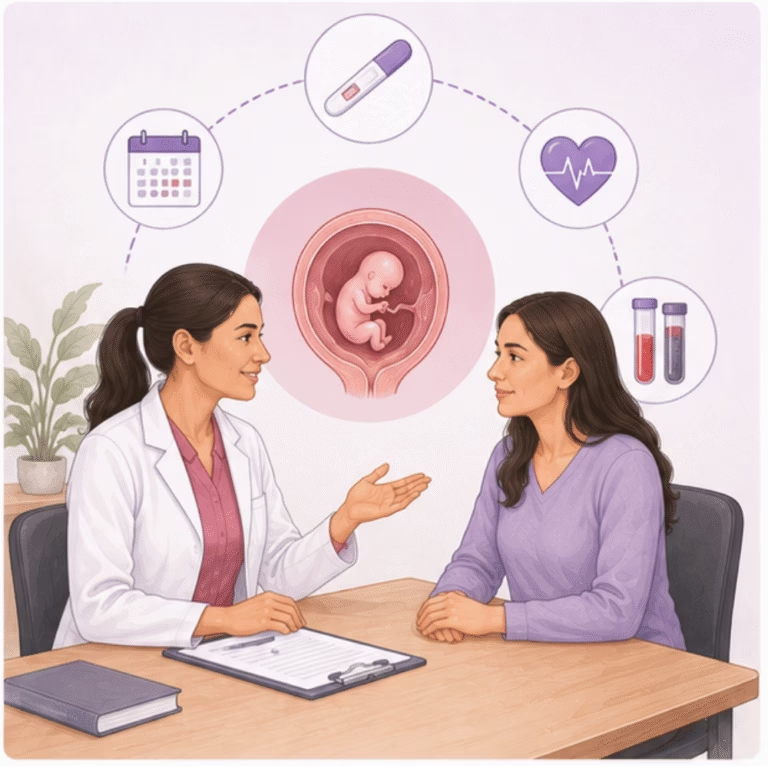


Being told that you have a high-risk pregnancy can naturally raise questions about your health, your baby’s development and what additional care may be required. A high-risk pregnancy does not necessarily mean that complications will occur. It generally means that certain maternal, medical or pregnancy-related factors may require closer monitoring.
Consulting a high-risk pregnancy doctor in Mumbai allows individual risk factors to be assessed and an appropriate pregnancy monitoring plan to be developed.
Women requiring obstetric consultation can consult Dr. Rutuja Narvekar at Shree Women’s Clinic in Vile Parle, Mumbai.
What Is a High-Risk Pregnancy?
A pregnancy may be considered high risk when there is an increased possibility of health complications affecting the mother, baby or both.
The reason can exist before pregnancy or develop as pregnancy progresses.
Some women know from the beginning that additional monitoring may be required because of their medical or previous pregnancy history. Others may initially have an uncomplicated pregnancy and later develop a condition requiring closer observation.
The term “high risk” therefore covers a wide range of situations.
What Can Make a Pregnancy High Risk?
Several factors can influence how closely a pregnancy needs to be monitored.
These can include:
- Certain pre-existing medical conditions
- High blood pressure
- Diabetes
- Thyroid disorders
- Multiple pregnancy
- Previous pregnancy complications
- Previous preterm birth
- Certain maternal age-related considerations
- Pregnancy-related hypertension
- Gestational diabetes
- Placental concerns
- Fetal growth concerns
- Other complications identified during pregnancy
Having one risk factor does not automatically mean that a serious complication will occur.
Your obstetrician considers the complete clinical picture before deciding whether additional monitoring is necessary.
Can Existing Medical Conditions Affect Pregnancy?
Yes. Certain health conditions that existed before pregnancy may influence pregnancy management.
Examples can include:
- Diabetes
- High blood pressure
- Thyroid conditions
- Certain heart conditions
- Kidney disorders
- Autoimmune conditions
- Other chronic medical conditions
Women taking regular medication should also inform their pregnancy doctor as early as possible.
Do not stop essential prescription medication simply because you discover that you are pregnant. Your obstetrician and the doctor managing the underlying condition can advise whether treatment needs to be reviewed.
Does Maternal Age Make a Pregnancy High Risk?
Age is one of several factors considered during pregnancy assessment.
Pregnancy-related risks can change with maternal age, but age alone does not determine whether an individual pregnancy will develop complications.
Your medical history, previous pregnancies, existing conditions and current pregnancy findings all contribute to the overall assessment.
Rather than assuming that a pregnancy will be complicated based solely on age, discuss your individual circumstances with your obstetrician.
Is Pregnancy With Twins Considered High Risk?
Multiple pregnancies, such as twins, can require closer monitoring compared with a singleton pregnancy.
Your obstetrician may recommend additional follow-up depending on the type of multiple pregnancy and how it progresses.
Again, requiring additional monitoring does not mean complications are certain to occur.
It means that certain risks may need closer observation.
Previous Pregnancy Complications and Future Pregnancy
Your previous pregnancy history can provide important information when planning care for a new pregnancy.
Tell your obstetrician if you have previously experienced:
- Miscarriage
- Ectopic pregnancy
- Preterm delivery
- Pregnancy-related hypertension
- Gestational diabetes
- Significant bleeding
- Placental complications
- Other major pregnancy complications
A previous complication does not necessarily mean the same issue will happen again.
However, knowing the history allows your doctor to decide whether additional monitoring or preventive measures are appropriate.
High Blood Pressure During Pregnancy
Blood pressure is routinely monitored during pregnancy because elevated blood pressure can sometimes develop before or during pregnancy.
Some women already have hypertension before conception, while others develop pregnancy-related high blood pressure.
Regular antenatal appointments help your obstetrician monitor blood pressure and assess whether additional investigation or treatment is required.
Contact your healthcare provider if you develop concerning symptoms such as severe headache, visual changes or sudden significant swelling, particularly if you have been advised that your blood pressure requires monitoring.
Gestational Diabetes During Pregnancy
Gestational diabetes refers to diabetes that develops during pregnancy.
Screening may be recommended at an appropriate stage depending on pregnancy and individual risk factors.
If gestational diabetes is diagnosed, management may involve:
- Dietary guidance
- Physical activity where appropriate
- Blood glucose monitoring
- Medication when required
- Additional pregnancy monitoring
Your treatment plan should be based on medical guidance rather than attempting to manage pregnancy-related blood sugar changes independently.
Thyroid Problems During Pregnancy
Thyroid hormones play an important role in overall health and pregnancy.
Women with an existing thyroid condition should inform their obstetrician and continue appropriate medical follow-up.
Depending on the condition, thyroid tests or medication adjustments may be required during pregnancy.
Do not change thyroid medication without medical advice.
Can PCOS Make Pregnancy High Risk?
PCOS can be relevant to a woman’s reproductive and metabolic health, but having PCOS does not automatically mean that every pregnancy will be high risk.
If you have previously been diagnosed with PCOS, inform your obstetrician so your complete medical history can be considered.
Women who are planning pregnancy and experiencing irregular periods, acne, unwanted facial hair or other possible PCOS symptoms can learn more about PCOS, PCOD and PMOS treatment at Shree Women’s Clinic.
What Monitoring May Be Required in a High-Risk Pregnancy?
Monitoring depends entirely on why the pregnancy has been classified as higher risk.
Your obstetrician may recommend:
- More frequent antenatal consultations
- Blood pressure monitoring
- Blood tests
- Urine tests
- Blood sugar monitoring
- Ultrasound examinations
- Monitoring fetal growth
- Other investigations based on individual circumstances
Not every high-risk pregnancy requires exactly the same monitoring.
The aim is to tailor care according to the specific maternal or pregnancy-related concern.
Are More Ultrasounds Required in a High-Risk Pregnancy?
Some high-risk pregnancies may require additional ultrasound monitoring, but this depends on the reason for increased surveillance.
Ultrasound may be used to assess aspects of fetal development, growth and other pregnancy-related factors when clinically appropriate.
Your obstetrician will determine the timing and frequency based on your individual pregnancy rather than following a generic schedule.
Can a High-Risk Pregnancy Still Result in a Healthy Pregnancy?
Yes.
The term high risk describes an increased need for monitoring or medical attention. It does not predict the outcome of an individual pregnancy.
Many women with risk factors progress through pregnancy with appropriate medical care and monitoring.
The important step is recognising relevant risk factors and maintaining appropriate antenatal follow-up.
What Can You Do During a High-Risk Pregnancy?
Follow the individual plan recommended by your healthcare team.
General measures can include:
Attend Scheduled Appointments
Do not skip antenatal appointments, particularly when your obstetrician has recommended closer monitoring.
Take Medicines as Prescribed
Take medication and supplements according to medical advice.
Maintain Appropriate Nutrition
Follow a balanced diet and any specific nutritional guidance recommended for your medical condition.
Stay Physically Active When Appropriate
The appropriate amount and type of exercise depends on your pregnancy and medical circumstances.
Ask your obstetrician what is suitable for you.
Report New Symptoms
Do not wait until your next routine appointment if you develop symptoms that your doctor has advised require earlier assessment.
When Should You Seek Urgent Medical Attention During Pregnancy?
Certain pregnancy symptoms require prompt assessment.
Contact your healthcare provider or seek urgent medical attention if you experience symptoms such as:
- Heavy vaginal bleeding
- Severe abdominal or pelvic pain
- Fainting
- Severe or persistent headache with concerning associated symptoms
- Significant visual changes
- High fever
- Severe persistent vomiting
- Significant fluid loss
- Difficulty breathing
- Sudden or rapidly worsening symptoms
- Other symptoms your obstetrician has specifically advised you to watch for
The appropriate response can depend on the stage of pregnancy and individual medical circumstances.
Why Regular Antenatal Follow-Up Matters
Pregnancy changes over time.
A woman who has no significant concerns early in pregnancy can develop a condition later, while some pregnancies classified as higher risk from the beginning may remain stable with appropriate monitoring.
Regular consultations allow your pregnancy doctor to assess maternal health and pregnancy progression throughout different stages.
This is particularly important when there are known medical or obstetric risk factors.
High-Risk Pregnancy Doctor in Vile Parle, Mumbai
Women requiring closer pregnancy monitoring may benefit from having regular access to their obstetrician.
Dr. Rutuja Narvekar at Shree Women’s Clinic provides obstetric and gynaecological consultation in Vile Parle, Mumbai.
Women with pre-existing medical conditions, previous pregnancy complications or concerns identified during the current pregnancy can discuss their individual monitoring requirements with their pregnancy doctor.
Frequently Asked Questions About High-Risk Pregnancy
What does high-risk pregnancy mean?
A high-risk pregnancy means certain maternal, medical or pregnancy-related factors may increase the possibility of complications and therefore require additional monitoring.
Does high risk mean something will go wrong?
No. Being classified as high risk does not mean a complication will definitely occur. It indicates that closer medical observation may be appropriate.
Is pregnancy after 35 always high risk?
Maternal age is one factor considered during pregnancy assessment, but individual risk depends on several medical and pregnancy-related factors.
Are twins considered a high-risk pregnancy?
Multiple pregnancies often require closer monitoring than singleton pregnancies. The exact level of care depends on the individual pregnancy.
Can PCOS make pregnancy high risk?
PCOS can be relevant to reproductive and metabolic health, but having PCOS does not automatically mean every pregnancy will be high risk.
Do high-risk pregnancies require more check-ups?
Some women require more frequent appointments or investigations depending on the specific risk factor. Your obstetrician will recommend an appropriate schedule.
Which doctor should I consult for a high-risk pregnancy?
An obstetrician can evaluate pregnancy risk factors and determine the appropriate level of monitoring and care.
Where can I find a high-risk pregnancy doctor in Mumbai?
Women requiring pregnancy monitoring can consult a qualified obstetrician. Dr. Rutuja Narvekar provides obstetric and gynaecological consultation at Shree Women’s Clinic in Vile Parle, Mumbai.
Consult a High-Risk Pregnancy Doctor in Mumbai
A high-risk pregnancy does not automatically mean that complications will occur. It means that certain factors may require additional attention, investigations or monitoring throughout pregnancy.
If you have an existing medical condition, previous pregnancy complications or concerns identified during your current pregnancy and are looking for a high-risk pregnancy doctor in Mumbai or high-risk pregnancy doctor in Vile Parle, you can consult Dr. Rutuja Narvekar at Shree Women’s Clinic.
Women with PCOS-related reproductive concerns can also review the clinic’s PCOS, PCOD and PMOS treatment service where relevant.