
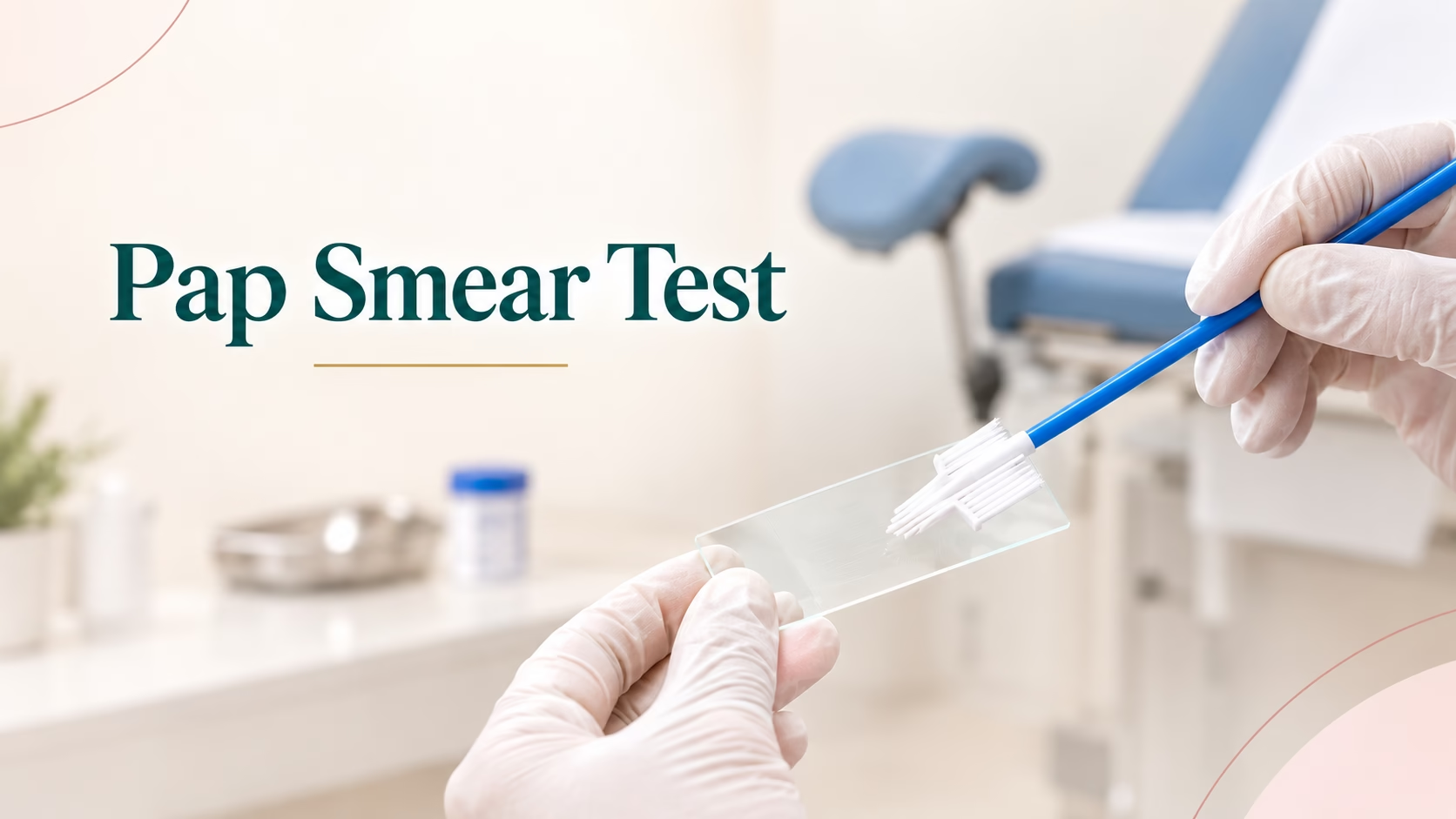
A Pap smear test is a type of cervical screening used to look for abnormal changes in cells of the cervix. Cervical screening can help identify changes that may need further evaluation before they develop into more serious problems.
Many women are familiar with the term “Pap smear” but may not know when screening is recommended, what happens during the test, whether it is painful or what an abnormal result actually means.
Understanding the purpose of cervical screening can make the process less confusing and help you discuss the right screening approach with your gynaecologist.
What Is a Pap Smear Test?
A Pap smear, also called a Pap test or cervical cytology test, involves collecting a small sample of cells from the cervix.
The sample is then examined in a laboratory for abnormal cellular changes.
A Pap test is different from an HPV test. A Pap test looks for abnormal changes in cervical cells, while an HPV test looks for high-risk types of human papillomavirus associated with cervical cancer.
Depending on a woman’s age, medical history, previous screening results and applicable clinical recommendations, cervical screening may involve a Pap test, HPV testing or a combination of tests.
Why Is Cervical Screening Important?
Cervical cancer can develop gradually, and cellular changes may occur before cancer develops.
Screening aims to identify important changes early so that appropriate follow-up can be arranged.
The purpose of screening is therefore not simply to diagnose cancer. It is also to identify cervical changes that may require monitoring, additional testing or treatment.
Regular screening recommendations can vary depending on age, risk factors, previous results and the screening system available.
What Is the Difference Between a Pap Test and an HPV Test?
Although both tests can be used as part of cervical cancer screening, they provide different information.
Pap Test
A Pap test examines cervical cells for abnormal changes.
It is sometimes called cervical cytology.
HPV Test
An HPV test looks for high-risk types of human papillomavirus that are associated with cervical cancer.
HPV infection is common, and having HPV does not automatically mean that a woman has cervical cancer.
Can Both Tests Be Done Together?
In some screening approaches, both cervical cytology and HPV testing may be performed.
The appropriate screening method depends on factors such as age, previous screening history, risk profile and locally applicable recommendations.
Your gynaecologist can explain which approach is appropriate for you.
At What Age Should You Have a Pap Smear?
There is no single screening schedule that should be applied to every woman regardless of her age and medical history.
For example, current U.S. professional guidance recommends cervical screening beginning at age 21 for average-risk women, with different testing options depending on age. Other countries and health systems may use different national screening recommendations.
For this reason, women should not automatically follow an online screening schedule without considering their individual circumstances.
Your doctor may consider:
- Your age
- Previous Pap or HPV results
- Previous cervical abnormalities
- Medical history
- Immune status
- Previous cervical procedures
- Whether you have had a hysterectomy
- Other individual risk factors
If you are unsure whether you are due for cervical screening, discuss your screening history with a gynaecologist.
What Happens During a Pap Smear?
A Pap smear is generally performed during a gynaecological examination.
You may be asked to lie on an examination table with your knees bent.
A speculum is gently inserted into the vagina so that the cervix can be seen.
A small sampling instrument is then used to collect cells from the cervix.
The sample is sent to a laboratory for examination.
The procedure itself is usually brief.
Some women experience pressure or mild discomfort during the examination. If you are anxious or uncomfortable, tell your doctor so that the examination can be performed as gently and comfortably as possible.
Is a Pap Smear Painful?
A Pap smear should not usually cause significant pain, but experiences can vary.
You may feel:
- Pressure from the speculum
- Mild discomfort
- A brief cramping sensation
- Slight spotting after the test in some cases
Anxiety, pelvic-floor tension, vaginal dryness or previous painful examinations may affect how comfortable the procedure feels.
If you experience significant pain during an examination, inform your doctor.
How Should You Prepare for a Pap Smear?
Your doctor or clinic may provide specific preparation instructions depending on the type of screening being performed.
In general, it can be helpful to:
- Tell your doctor about unusual bleeding or vaginal symptoms.
- Inform the doctor about previous abnormal Pap or HPV results.
- Carry previous screening reports if available.
- Tell your doctor about previous cervical procedures.
- Ask whether any specific preparation is required before the appointment.
If you are menstruating or have symptoms of an infection, ask the clinic whether the screening should be performed at that appointment or rescheduled.
Can a Pap Smear Detect Infections?
A Pap smear is primarily a cervical-cell screening test rather than a general test for vaginal infections.
Although a report may sometimes contain additional observations, a Pap test should not be considered a complete test for every vaginal or sexually transmitted infection.
If you have symptoms such as:
- Unusual vaginal discharge
- Strong vaginal odour
- Itching
- Burning
- Pelvic pain
- Pain during intercourse
you may need a separate clinical evaluation or appropriate infection testing.
Does an Abnormal Pap Smear Mean Cancer?
No.
An abnormal Pap test does not automatically mean that you have cervical cancer.
The result may indicate that cervical cells have changes that require further assessment or follow-up.
Depending on the result, your doctor may recommend:
- Repeat screening
- HPV testing
- Additional examination
- Colposcopy
- Further testing or treatment when clinically indicated
The appropriate next step depends on the specific result and your individual medical history.
It is important not to panic after reading the word “abnormal” on a report.
Instead, discuss the result with your gynaecologist so that it can be interpreted correctly.
What Does a Normal Pap Smear Result Mean?
A normal result generally means that no significant abnormal cervical-cell changes were identified in the sample.
However, a normal result does not mean that future screening is unnecessary.
Cervical screening is a preventive process, and the recommended timing of future screening depends on your age, medical history, previous results and applicable guidelines.
What Happens If HPV Is Positive?
A positive HPV test does not mean that you have cervical cancer.
High-risk HPV infections can occur without symptoms, and many HPV infections do not persist.
When an HPV test is positive, the next step depends on factors such as:
- The HPV type detected
- Your age
- Cytology results
- Previous screening history
- Previous cervical abnormalities
- Applicable clinical guidelines
Your doctor can explain what your particular result means and whether additional monitoring or testing is required.
Can You Have HPV Without Symptoms?
Yes.
HPV infection can occur without noticeable symptoms.
This is one reason cervical screening is important: relying only on symptoms may not identify cervical changes early.
Cervical screening and HPV vaccination are both important components of cervical-health prevention, although vaccination does not eliminate the need for appropriate screening.
Pap Smear and HPV Vaccination: Are They the Same?
No.
HPV vaccination and cervical screening serve different purposes.
HPV vaccination
HPV vaccination helps protect against certain HPV infections.
Cervical screening
Screening looks for HPV infection and/or cervical cell changes, depending on the test used.
Being vaccinated does not necessarily mean that cervical screening can be skipped. Screening recommendations should still be discussed with your healthcare provider.
When Should You Talk to a Gynaecologist About Cervical Screening?
You can discuss cervical screening with a gynaecologist if:
- You are unsure whether you are due for screening.
- You have never had cervical screening.
- You have a history of an abnormal Pap test.
- You have previously tested positive for high-risk HPV.
- You have had a previous cervical procedure.
- You have questions about HPV vaccination and screening.
- You have unusual vaginal bleeding.
- You experience bleeding after intercourse.
- You have other concerns about your cervical health.
Persistent or unusual symptoms should be medically evaluated rather than relying on a screening test alone.
Cervical Screening in Mumbai and Vile Parle
Women in Mumbai may have questions about when cervical screening is appropriate, whether they need a Pap test or HPV testing, and what to do if they have had an abnormal result in the past.
At Shree Women’s Clinic in Vile Parle East, Dr. Rutuja M. Narvekar provides gynaecological care and can discuss cervical screening based on your age, medical history, previous reports and individual risk factors.
You can also learn more about the clinic’s Period Related Concerns and Cervical Screening services when discussing preventive gynaecological care.
Frequently Asked Questions About Pap Smear Tests
Is a Pap smear the same as a cervical cancer test?
A Pap smear is one type of cervical cancer screening test. It looks for abnormal cervical cells. HPV testing is another screening approach that looks for high-risk HPV infection.
Is a Pap smear painful?
Most women experience pressure or mild discomfort rather than significant pain. Individual experiences vary, and you should tell your doctor if you are uncomfortable.
How long does a Pap smear take?
The sample collection itself is usually brief, although the total appointment time will depend on the consultation and examination.
Does an abnormal Pap smear mean I have cancer?
No. An abnormal result means that further interpretation or follow-up may be needed. It does not automatically mean cervical cancer.
Can I have a Pap smear if I have no symptoms?
Yes. Cervical screening is a preventive health measure and is not only for women who have symptoms.
Is HPV testing the same as a Pap smear?
No. A Pap test examines cervical cells for abnormalities, while an HPV test checks for high-risk HPV infection.
Should women who have received the HPV vaccine still have cervical screening?
HPV vaccination does not necessarily eliminate the need for screening. Follow the screening recommendations applicable to your age and individual circumstances.
What should I do if my previous Pap smear was abnormal?
Do not ignore the result, but do not assume it means cancer either. Take the report to your gynaecologist so the result can be interpreted and the appropriate follow-up can be planned.
Final Takeaway
A Pap smear test is an important tool used in cervical screening, but it is only one part of preventive women’s healthcare.
Understanding the difference between Pap testing and HPV testing, knowing your screening history and discussing your individual risk factors with a gynaecologist can help you make informed decisions about cervical health.
If you are unsure whether you need cervical screening or what a previous result means, speak with a qualified gynaecologist rather than interpreting the report on your own.