
After childbirth, your body needs time, nourishment and rest to recover. A balanced postpartum diet can support healing, energy levels, breastfeeding and gradual return to a healthy weight.
The first few weeks after delivery can be exhausting. Between feeding your baby, recovering from childbirth and adjusting to a new routine, eating well can easily become an afterthought.
However, postpartum nutrition is an important part of your recovery.
What should you eat after delivery?
There is no single “perfect postpartum diet”. Your nutritional needs depend on your recovery, whether you are breastfeeding, your delivery, activity levels and any medical conditions.
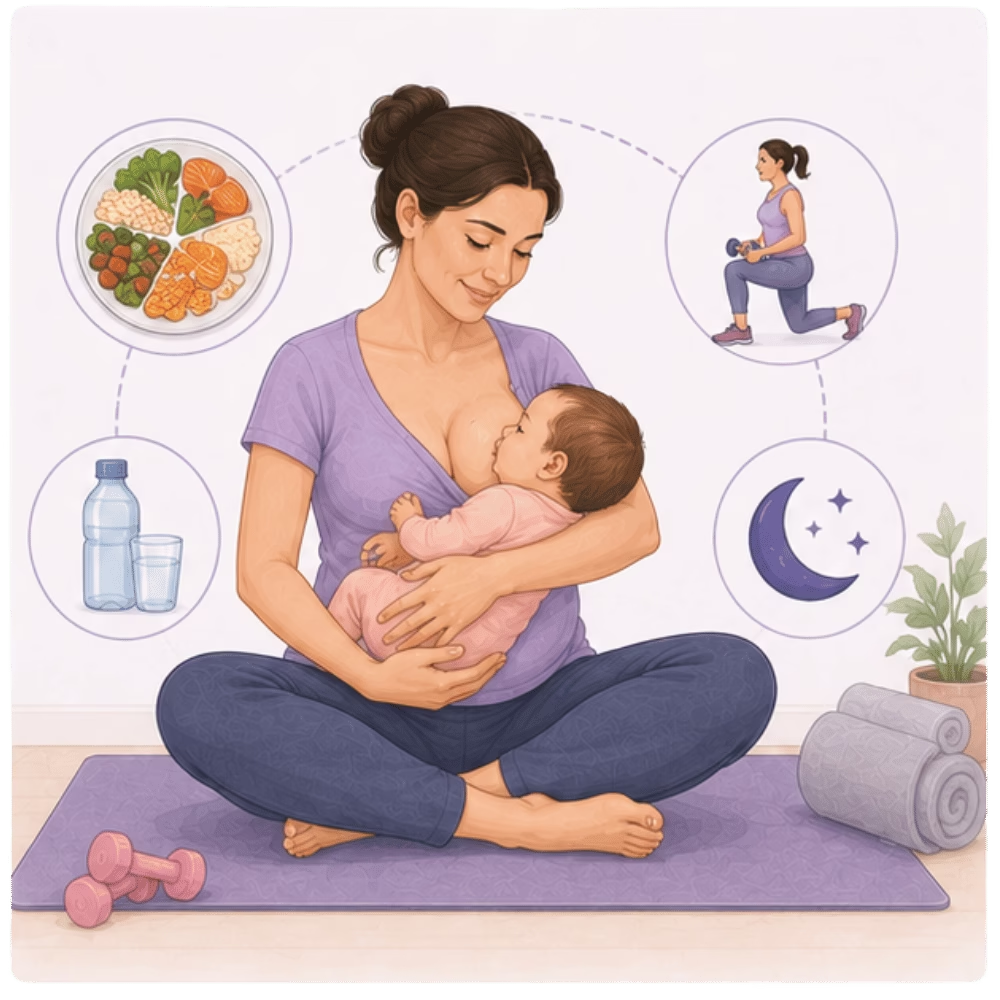
Focus on a balanced plate containing:
ProteinInclude eggs, dal, beans, paneer, curd, fish, chicken or other protein-rich foods to support tissue repair and recovery.
Whole GrainsChoose options such as whole wheat, oats, brown rice, millets and other whole grains for sustained energy and fibre.
Vegetables & FruitsA variety of vegetables and seasonal fruits provides important vitamins, minerals, antioxidants and fibre.
Calcium-rich foodsMilk, curd, paneer, ragi and other calcium-rich foods can support bone health, which is particularly important during the postpartum period.
Plenty of FluidsStay adequately hydrated throughout the day. If you are breastfeeding, keeping water nearby during feeds can make hydration easier.
What about weight loss after pregnancy?
It’s natural to want to return to your pre-pregnancy weight, but postpartum recovery should come before rapid weight loss.
Crash diets and severe calorie restriction can leave you tired and may make it harder to meet your nutritional needs, particularly while breastfeeding.
Instead, focus on:
- Regular balanced meals
- Adequate protein
- Plenty of vegetables and fruits
- Appropriate portions
- Regular movement once medically cleared
- Good hydration
- Adequate rest whenever possible
Gradual, sustainable weight management is usually a better approach than trying to lose weight quickly.
If you are breastfeeding
Breastfeeding increases nutritional demands, but this does not mean you need to follow an extremely restrictive or complicated diet.
Aim for a varied diet and adequate fluids. Unless your doctor has advised otherwise, there is generally no need to unnecessarily eliminate large groups of foods.
If you notice concerns about your baby’s feeding, growth or reactions to particular foods, discuss them with your paediatrician or healthcare provider rather than making major dietary restrictions on your own.
Don’t forget iron and other nutrients
Pregnancy and childbirth can affect nutrient stores, particularly iron.
Depending on your pregnancy, delivery, blood loss and blood test results, your doctor may recommend supplements such as iron, calcium or other nutrients.
Don’t start or stop supplements based solely on social-media advice. Your requirements should be assessed individually.
When should you seek nutrition guidance?
Consider speaking with Dr. Rutuja M. Narvekar if you need help with:
- Postpartum weight management
- Nutrition while breastfeeding
- Recovery after delivery
- Anaemia or low iron
- Pregnancy-related diabetes after delivery
- Nutrition after a C-section
- Building a healthy diet after childbirth
- Returning to exercise and healthy weight gradually
At Shree Women’s Clinic, Vile Parle, postpartum nutrition can be considered as part of your broader recovery and women’s healthcare.
Your body has just done something extraordinary. Give it the nourishment and time it needs to recover.