

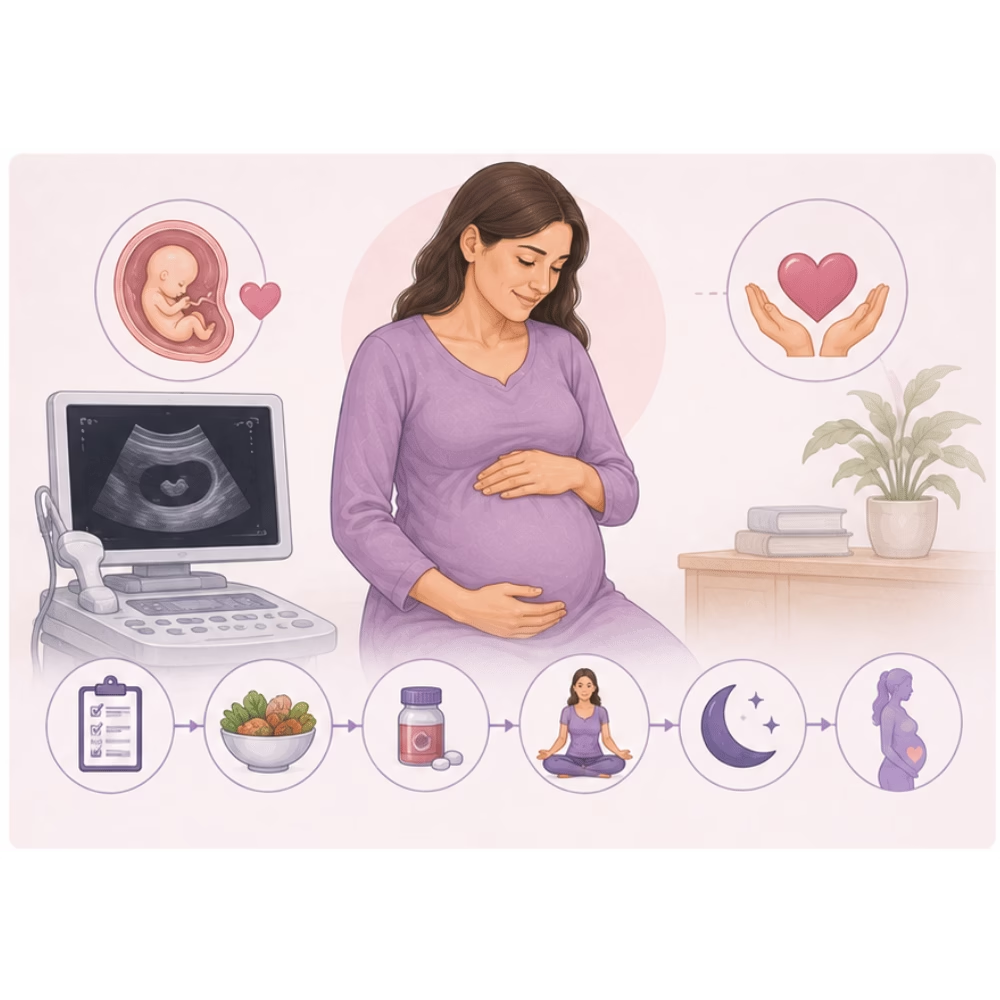
Planning a pregnancy is an important time to focus on your health, nutrition and lifestyle before conception. Pre-pregnancy care can help identify nutritional needs, existing health concerns and lifestyle factors that may affect pregnancy.
You don’t need to wait until you are pregnant to start taking care of your health. Preparing your body before conception can be an important part of planning for a healthy pregnancy.
Every woman’s needs are different, so pre-pregnancy care should be personalised according to your health, medical history, diet and lifestyle.
What does pre-pregnancy care include?
Pre-pregnancy care is more than simply taking supplements. It involves looking at your overall health and making practical changes that can support your wellbeing before and during pregnancy.
Some important areas to focus on include:
Balanced NutritionBuild your diet around vegetables, fruits, whole grains, pulses, protein-rich foods and healthy sources of fats. A varied diet can help provide the nutrients your body needs before pregnancy.
Folic Acid and Key NutrientsFolic acid is an important nutrient before and during early pregnancy. Your doctor may also assess your need for iron, vitamin D, B12, calcium or other nutrients based on your individual requirements.
Healthy Weight ManagementBeing significantly underweight or overweight may affect fertility and pregnancy. If weight management is needed, gradual and sustainable changes are generally more appropriate than crash diets.
Review Existing Health ConditionsConditions such as diabetes, thyroid disorders, anaemia, high blood pressure and other health concerns may need attention before pregnancy. Your doctor can advise whether any medicines, tests or treatment plans need to be reviewed.
Lifestyle and Daily HabitsRegular physical activity, adequate sleep, avoiding tobacco and alcohol, and maintaining a balanced routine can all be part of preparing for pregnancy.
Why is pre-pregnancy nutrition important?
Your nutritional status before conception can influence your health during pregnancy. Starting with a balanced diet early gives you an opportunity to address nutritional gaps before your nutritional requirements increase during pregnancy.
Instead of relying on restrictive diets or multiple supplements, focus on:
- Regular, balanced meals
- A variety of vegetables and seasonal fruits
- Adequate protein from suitable sources
- Whole grains and fibre-rich foods
- Healthy sources of fats
- Adequate hydration
Good pre-pregnancy nutrition is about building sustainable habits, not following a complicated “fertility diet”.
Do you need supplements before pregnancy?
Some supplements are commonly recommended before pregnancy, but the right dose and combination depend on your individual health and nutritional needs.
Folic acid is particularly important before conception and during early pregnancy. Your doctor may also recommend other supplements depending on your diet, blood tests, medical history and previous pregnancy history.
Avoid taking multiple supplements simply because they are marketed for fertility or pregnancy. More is not always better, and some nutrients can be harmful in excessive amounts.
What should you discuss during a pre-pregnancy consultation?
A pre-pregnancy consultation gives you an opportunity to discuss your health and pregnancy plans before conception.
- Your menstrual and reproductive history
- Previous pregnancies and pregnancy outcomes
- Current medicines and supplements
- Existing medical conditions
- Diet, nutrition and lifestyle
- Weight management, if required
- Recommended health checks or blood tests
- Any concerns about fertility or pregnancy planning
Your doctor can then help you understand which changes or investigations are appropriate for you rather than following generic advice from the internet.
When should you start pre-pregnancy care?
Ideally, pre-pregnancy care should begin before you start trying to conceive. This gives you time to review your health, improve your diet and lifestyle, address nutritional deficiencies and make any necessary changes to medicines or treatment plans.
Even if you are already trying to conceive, it is not too late to seek professional guidance.
There is no need to wait for a positive pregnancy test to start making healthy changes.
When should you seek pre-pregnancy guidance?
Consider speaking with Dr. Rutuja M. Narvekar if you are planning a pregnancy and need help with:
- Pre-pregnancy nutrition planning
- Weight management before pregnancy
- Vitamin or mineral deficiencies
- Existing health conditions before conception
- Diet and lifestyle changes
- Planning after a previous pregnancy
- Understanding which supplements may be appropriate
- Preparing for a healthy pregnancy
At Shree Women’s Clinic, Vile Parle, pre-pregnancy care can be part of a personalised approach to women’s health and pregnancy planning.
A healthy pregnancy begins before pregnancy. Give yourself the time and support to prepare well.