

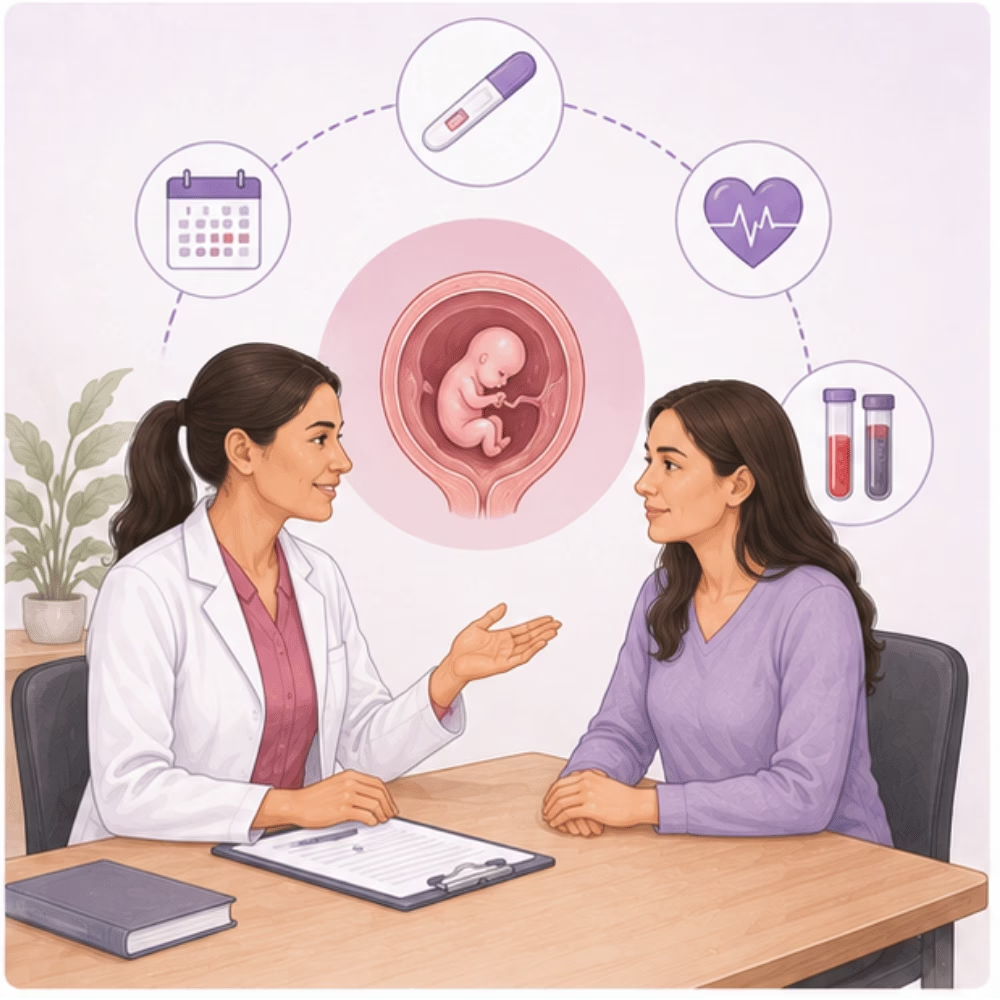
A missed period, nausea, breast tenderness and unusual tiredness can be among the first signs that you may be pregnant. However, early pregnancy symptoms vary considerably, and symptoms alone cannot confirm a pregnancy.
If you have received a positive pregnancy test or suspect you may be pregnant, consulting an early pregnancy doctor in Mumbai can help confirm the pregnancy and guide you through the appropriate next steps.
Women looking for pregnancy consultation in Vile Parle can consult Dr. Rutuja Narvekar at Shree Women’s Clinic for obstetric and gynaecological care.
What Are the Common Early Pregnancy Symptoms?
Every pregnancy is different. Some women notice symptoms very early, while others may have few noticeable changes.
Possible early pregnancy symptoms include:
- Missed or delayed period
- Nausea
- Vomiting
- Breast tenderness
- Fatigue
- Increased urination
- Changes in appetite
- Food aversions
- Sensitivity to certain smells
- Mild abdominal discomfort
- Mood changes
Having these symptoms does not necessarily mean you are pregnant because several can also occur before menstruation or with other hormonal changes.
A pregnancy test is therefore more useful than trying to diagnose pregnancy from symptoms alone.
Is a Missed Period Always a Sign of Pregnancy?
A missed period is one of the most recognised signs of pregnancy, but pregnancy is not the only reason periods can be delayed.
Other possible causes include:
- Stress
- PCOS
- Hormonal changes
- Thyroid problems
- Significant weight changes
- Certain medications
- Changes in physical activity
If pregnancy is possible, consider taking a pregnancy test.
Women who repeatedly experience delayed or irregular periods even when they are not pregnant may require a separate menstrual health evaluation.
You can learn more about period-related concerns at Shree Women’s Clinic.
When Should You Take a Pregnancy Test?
Home pregnancy tests detect the pregnancy hormone hCG.
Testing too early may sometimes produce an unclear or negative result even when pregnancy is possible.
Follow the instructions provided with the pregnancy test and speak with your doctor if:
- Your test is positive
- Your period remains absent despite a negative test
- Results are unclear
- You have pregnancy symptoms with unusual pain or bleeding
A positive home pregnancy test should generally be followed by appropriate medical guidance.
What Should You Do After a Positive Pregnancy Test?
After receiving a positive pregnancy test, contact an obstetrician or gynaecologist.
Your doctor can advise when your first pregnancy consultation should take place based on factors such as:
- Your last menstrual period
- Current symptoms
- Previous pregnancies
- Previous pregnancy complications
- Existing medical conditions
- Current medications
Do not assume that every pregnancy requires exactly the same appointment schedule or investigations.
When Should You Visit an Early Pregnancy Doctor in Mumbai?
Contact an early pregnancy doctor in Mumbai after receiving a positive pregnancy test so you can be advised about the appropriate timing of your first consultation.
Earlier medical evaluation may be particularly important if you experience:
- Vaginal bleeding
- Significant abdominal or pelvic pain
- Dizziness or fainting
- Severe vomiting
- Fever
- Previous pregnancy complications
- Existing medical conditions
- Other symptoms that concern you
The appropriate response depends on your individual circumstances and symptoms.
What Happens at the First Pregnancy Appointment?
The first pregnancy consultation helps your doctor understand your medical and reproductive history.
You may be asked about:
- Date of your last menstrual period
- Previous pregnancies
- Previous miscarriages, if applicable
- Existing health conditions
- Previous surgeries
- Current medications
- Allergies
- Family medical history
- Lifestyle and dietary habits
Depending on your pregnancy stage and medical history, your doctor may recommend appropriate tests or imaging.
When Is an Early Pregnancy Ultrasound Required?
Ultrasound can provide important information during pregnancy, but the appropriate timing depends on the individual pregnancy.
Your obstetrician may consider factors such as:
- Gestational age
- Menstrual history
- Symptoms
- Previous pregnancy history
- Clinical findings
An ultrasound may help assess pregnancy location and development appropriate to the stage of pregnancy.
Rather than scheduling scans based solely on information found online, follow the timing recommended by your pregnancy doctor.
Is Mild Cramping Normal in Early Pregnancy?
Some women experience mild abdominal or pelvic discomfort during early pregnancy.
However, the severity, location and associated symptoms are important.
Seek medical advice if pain is:
- Severe
- Persistent
- Increasing
- Mainly on one side
- Accompanied by significant bleeding
- Associated with dizziness or fainting
- Accompanied by fever
Severe pain during pregnancy should not be self-diagnosed online.
Is Spotting Normal During Early Pregnancy?
Light spotting can occur during early pregnancy for different reasons.
However, vaginal bleeding during pregnancy should be discussed with your healthcare provider, particularly if it becomes heavy or occurs with pain, dizziness or other concerning symptoms.
Do not assume that bleeding is normal simply because you are in early pregnancy.
Your doctor can determine whether further assessment is necessary.
Nausea and Vomiting During Early Pregnancy
Nausea is commonly associated with early pregnancy, although not every pregnant woman experiences it.
Some women experience mild nausea, while others may have more significant vomiting.
Simple measures such as smaller meals and adequate hydration may help some women.
Contact your doctor if:
- Vomiting is severe
- You cannot keep fluids down
- You feel significantly weak or dizzy
- You develop signs of dehydration
More severe symptoms may require medical assessment.
What Should You Eat During Early Pregnancy?
A balanced diet is important during pregnancy.
Focus on appropriate amounts of:
- Vegetables
- Fruits
- Whole grains
- Protein-rich foods
- Dairy or suitable alternatives
- Healthy fats
Pregnancy does not simply mean eating much larger quantities of food.
Individual nutritional needs can also differ for women with conditions such as diabetes, thyroid disorders or anaemia.
Discuss your specific dietary requirements with your pregnancy doctor.
Folic Acid in Early Pregnancy
Folic acid is commonly recommended around conception and during early pregnancy because it plays an important role in early fetal development.
Your doctor may also recommend other supplements depending on your diet, medical history and investigations.
Do not copy another person’s pregnancy supplement routine or dosage without medical guidance.
Medicines During Early Pregnancy
Tell your doctor about all medications and supplements you currently take.
This includes:
- Prescription medicines
- Over-the-counter medication
- Painkillers
- Vitamins
- Herbal preparations
- Nutritional supplements
Some medications may need review during pregnancy.
At the same time, do not suddenly stop essential prescription medication without speaking with the doctor responsible for managing that condition.
Early Pregnancy and PCOS
Women with PCOS can become pregnant, although the condition can affect ovulation and menstrual regularity before conception.
If you have previously been diagnosed with PCOS, inform your pregnancy doctor so your complete medical history can be considered.
Women who are still planning pregnancy and experiencing irregular periods, acne or other possible PCOS symptoms can learn more about PCOS, PCOD and PMOS treatment at Shree Women’s Clinic.
Early Pregnancy After Previous Pregnancy Complications
Women with a history of previous pregnancy complications should share this information during their first consultation.
This may include previous:
- Miscarriages
- Ectopic pregnancy
- Pregnancy-related hypertension
- Gestational diabetes
- Preterm birth
- Other significant complications
Your obstetrician can determine whether your medical and pregnancy history requires additional monitoring.
When Is a Pregnancy Considered High Risk?
Some pregnancies require closer monitoring because of maternal health, pregnancy history or complications that develop during pregnancy.
Factors can include certain existing medical conditions, previous pregnancy complications, multiple pregnancy and other clinical circumstances.
Being classified as high risk does not necessarily mean that a complication will occur. It means additional monitoring may be appropriate.
Your obstetrician will determine the level of care required based on your individual situation.
Early Pregnancy Doctor in Vile Parle, Mumbai
Early pregnancy often brings many questions about symptoms, scans, nutrition, medication and everyday activities.
Having access to a local obstetrician can make consultations and subsequent pregnancy follow-ups more convenient.
Women looking for an early pregnancy doctor in Vile Parle can consult Dr. Rutuja Narvekar at Shree Women’s Clinic in Vile Parle, Mumbai.
Frequently Asked Questions About Early Pregnancy
What is usually the first sign of pregnancy?
A missed period is a common early sign, but symptoms differ between women. A pregnancy test is more reliable than symptoms alone for identifying possible pregnancy.
When should I visit a doctor after a positive pregnancy test?
Contact an obstetrician or gynaecologist after receiving a positive result. Your doctor can advise when the first consultation should take place based on your symptoms and medical history.
Is cramping normal in early pregnancy?
Mild discomfort can occur, but severe, persistent or one-sided pain, particularly with bleeding or dizziness, requires medical assessment.
Is spotting normal during early pregnancy?
Spotting can occur for several reasons. Inform your healthcare provider about vaginal bleeding during pregnancy, especially when it is significant or accompanied by pain.
When should the first pregnancy ultrasound be done?
The appropriate timing depends on gestational age, symptoms, menstrual history and other individual factors. Follow your obstetrician’s recommendation.
Can women with PCOS have a normal pregnancy?
Many women with PCOS become pregnant. Individual pregnancy care depends on overall health and medical history, so inform your obstetrician if you have PCOS.
Which doctor should I consult during early pregnancy?
An obstetrician-gynaecologist provides medical care related to pregnancy and women’s reproductive health.
Where can I find an early pregnancy doctor in Mumbai?
Women looking for an early pregnancy doctor in Mumbai can consult Dr. Rutuja Narvekar at Shree Women’s Clinic in Vile Parle for obstetric and gynaecological guidance.
Consult an Early Pregnancy Doctor in Mumbai
Early pregnancy is an important time to establish appropriate medical care and discuss symptoms, medications, nutrition and the investigations that may be required as pregnancy progresses.
If you have received a positive pregnancy test and are looking for an early pregnancy doctor in Mumbai or early pregnancy doctor in Vile Parle, you can consult Dr. Rutuja Narvekar at Shree Women’s Clinic.
Women with menstrual irregularities or PCOS concerns can also review the clinic’s PCOS, PCOD and PMOS treatment service and Period Related Concerns service where relevant.