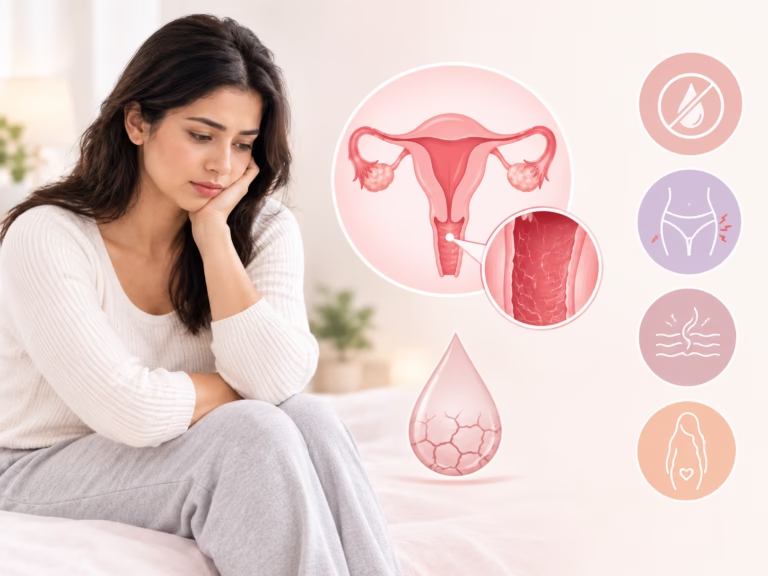

Severe period pain, persistent pelvic discomfort and pain during intercourse are symptoms that many women may tolerate for months or even years before seeking medical advice. While these symptoms do not always mean endometriosis, they can be among the reasons to consult an endometriosis doctor in Mumbai for further evaluation.
Endometriosis is a condition in which tissue similar to the lining of the uterus grows outside the uterus. Symptoms can vary considerably, and some women may experience significant pain while others have relatively mild symptoms.
If menstrual or pelvic pain is repeatedly affecting your everyday life, Dr. Rutuja Narvekar at Shree Women’s Clinic in Vile Parle, Mumbai, provides gynaecological consultation for period and pelvic health concerns.
What Is Endometriosis?
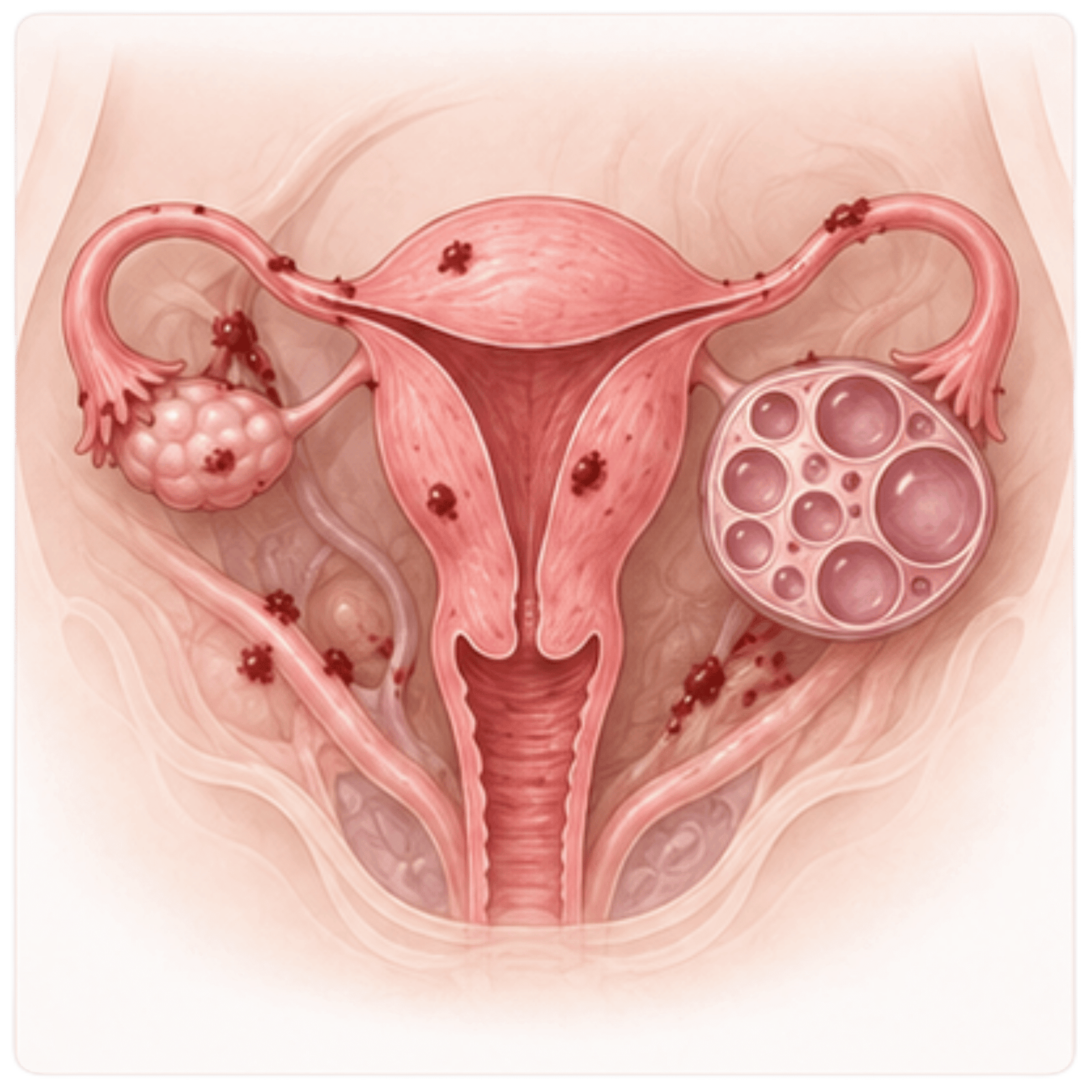
Endometriosis is a chronic gynaecological condition involving tissue similar to the lining of the uterus growing outside the uterus.
It may involve areas around the ovaries, fallopian tubes and other structures within the pelvis.
The symptoms and severity of endometriosis vary between women. Importantly, the amount of pain someone experiences does not necessarily indicate the extent of the condition.
This is why symptoms need to be evaluated individually rather than compared with another woman’s experience.
What Are the Common Symptoms of Endometriosis?
Symptoms can differ, but possible signs include:
- Severe menstrual cramps
- Pelvic pain
- Pain that begins before menstruation
- Pain during or after intercourse
- Pain during bowel movements around menstruation
- Pain during urination around menstruation
- Heavy menstrual bleeding
- Fatigue
- Difficulty conceiving
Having one or more of these symptoms does not automatically mean you have endometriosis.
Several gynaecological conditions can cause similar symptoms, making proper evaluation important.
When Is Period Pain More Than Normal Menstrual Cramping?
Mild menstrual cramping is common.
However, period pain deserves further attention when it regularly:
- Prevents you from going to work, college or school
- Disturbs your sleep
- Stops you from exercising or completing normal activities
- Requires frequent pain medication
- Becomes progressively worse
- Occurs outside your period
- Is accompanied by very heavy bleeding
- Occurs with pain during intercourse
If severe pain has become a regular part of your menstrual cycle, it should not simply be dismissed as something every woman experiences.
Shree Women’s Clinic evaluates period-related concerns including painful periods, heavy bleeding, endometriosis, adenomyosis and other menstrual conditions.
Can Endometriosis Cause Pelvic Pain Between Periods?
Yes, some women with endometriosis may experience pelvic pain outside menstruation.
However, pelvic pain has many possible causes.
The location, duration, severity and relationship of the pain to your menstrual cycle can provide useful information during a gynaecological evaluation.
Keeping track of when the pain occurs can therefore be helpful before your appointment.
Endometriosis and Pain During Intercourse
Pain during or after intercourse can occur for several reasons, and endometriosis is one possible cause.
Women sometimes avoid discussing this symptom because they find it uncomfortable or embarrassing.
However, recurring pain during intercourse is a legitimate women’s health concern.
If the pain is persistent, becoming worse or occurring alongside painful periods or pelvic pain, discuss it with your gynaecologist.
Can Endometriosis Cause Heavy Periods?
Some women with endometriosis experience heavy menstrual bleeding, although heavy periods can occur for many other reasons.
Other possible causes include:
- Fibroids
- Adenomyosis
- Hormonal changes
- Irregular ovulation
- Other gynaecological conditions
Therefore, heavy bleeding alone cannot diagnose endometriosis.
For persistent heavy, painful or changing menstrual cycles, visit the clinic’s Period Related Concerns service page.
Endometriosis vs Adenomyosis: Are They the Same?
No. Endometriosis and adenomyosis are different conditions, although they can cause some similar symptoms.
In endometriosis, tissue similar to the uterine lining grows outside the uterus.
In adenomyosis, tissue similar to the uterine lining is present within the muscular wall of the uterus.
Both may be associated with painful periods or pelvic symptoms.
Because symptoms can overlap, diagnosis should be based on medical evaluation rather than symptoms alone.
Endometriosis vs PCOS: What Is the Difference?
Endometriosis and PCOS are also different gynaecological conditions.
Endometriosis is commonly associated with symptoms such as pelvic pain and painful periods.
PCOS is primarily a hormonal and ovulatory condition and may be associated with:
- Irregular or missed periods
- Acne
- Excess facial or body hair
- Weight or metabolic concerns
- Difficulty conceiving
Women experiencing symptoms more suggestive of PCOS can read about PCOS, PCOD and PMOS treatment at Shree Women’s Clinic.
It is important not to assume that every menstrual problem is PCOS.
How Is Endometriosis Evaluated?
When you consult a gynaecologist for endometriosis in Mumbai, evaluation generally begins with a detailed discussion of your symptoms.
Your doctor may ask about:
- Menstrual cycle
- Severity of period pain
- Pelvic pain between periods
- Bowel or urinary symptoms
- Previous pregnancies
- Family and medical history
- Previous treatments
Depending on your symptoms and examination, imaging or other investigations may be recommended.
There is no reason to assume that every woman with painful periods requires exactly the same investigations.
How Is Endometriosis Treated?
Treatment depends on several factors, including:
- Symptoms
- Severity of pain
- Age
- Medical history
- Extent of the condition
- Pregnancy plans
- Previous treatment
Management can involve medications and, in selected circumstances, surgical treatment.
The appropriate approach should be individualised after medical evaluation.
This is another reason why searching for a single “best endometriosis treatment” online is unlikely to provide an answer appropriate for every patient.
When Should You See an Endometriosis Doctor in Mumbai?
Consider consulting a gynaecologist if you experience:
- Severe menstrual pain
- Period pain that is getting worse
- Persistent pelvic pain
- Pain during intercourse
- Pain associated with bowel movements during periods
- Heavy or unusual menstrual bleeding
- Pain affecting work or normal activities
- Difficulty conceiving alongside pelvic symptoms
You do not need to wait until symptoms become unbearable before seeking medical advice.
What Information Should You Take to Your Appointment?
Keeping a symptom diary for a few menstrual cycles can provide useful information.
Record:
- First day of each period
- Duration of bleeding
- Amount of menstrual flow
- Severity of pain
- Location of pain
- Pain outside periods
- Pain during intercourse
- Medication used for pain
- Whether symptoms caused you to miss normal activities
If you have previous ultrasound reports, blood tests or other relevant medical records, take them to your appointment.
Endometriosis Doctor in Vile Parle, Mumbai
Women experiencing persistent painful periods or pelvic symptoms can seek gynaecological evaluation rather than repeatedly managing symptoms without understanding their cause.
Dr. Rutuja Narvekar at Shree Women’s Clinic provides gynaecological consultation in Vile Parle, Mumbai.
The clinic’s Period Related Concerns service covers painful periods and conditions including endometriosis, adenomyosis, fibroids, ovarian cysts and related menstrual concerns.
Frequently Asked Questions About Endometriosis
What is the most common symptom of endometriosis?
Painful periods and pelvic pain are commonly associated with endometriosis, although symptoms vary considerably between women.
Is severe period pain always endometriosis?
No. Several conditions can cause severe menstrual pain. Endometriosis is one possible cause and requires appropriate medical evaluation.
Can endometriosis cause heavy periods?
Some women with endometriosis experience heavy menstrual bleeding, but heavy periods can also occur due to other gynaecological conditions.
Can endometriosis affect pregnancy?
Endometriosis can be associated with fertility difficulties in some women. However, having endometriosis does not mean pregnancy is impossible.
Is endometriosis the same as PCOS?
No. Endometriosis and PCOS are different conditions with different underlying mechanisms, although both can affect women’s reproductive health.
Which doctor should I consult for suspected endometriosis?
A gynaecologist can evaluate symptoms suggestive of endometriosis and advise whether additional investigations are appropriate.
Where can I find an endometriosis doctor in Mumbai?
Women experiencing symptoms associated with endometriosis can consult a qualified gynaecologist. Dr. Rutuja Narvekar provides gynaecological consultation at Shree Women’s Clinic in Vile Parle, Mumbai.
Consult an Endometriosis Doctor in Mumbai
Severe period pain should not simply become something you plan your life around every month. Persistent pelvic pain, painful intercourse, heavy periods and other symptoms deserve appropriate evaluation.
If you are experiencing possible endometriosis symptoms and looking for an endometriosis doctor in Mumbai or endometriosis doctor in Vile Parle, you can consult Dr. Rutuja Narvekar at Shree Women’s Clinic.
For endometriosis, painful periods and related menstrual conditions, visit the clinic’s Period Related Concerns service page.