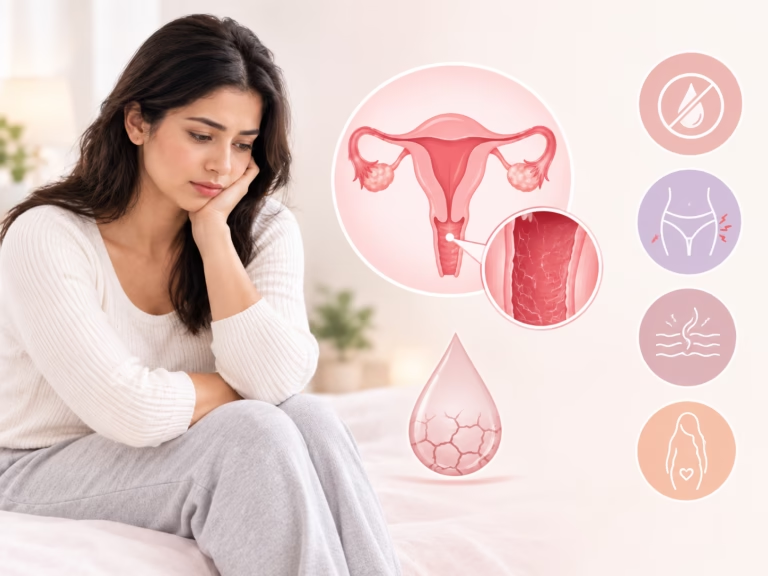

Changes in periods, hot flashes, disturbed sleep and mood changes can occur as women approach menopause. While menopause is a natural stage of life, symptoms can vary considerably and may sometimes affect everyday wellbeing.
Consulting a menopause doctor in Mumbai can help women understand whether their symptoms are related to perimenopause or menopause and whether further evaluation or management is appropriate.
Women experiencing menopause-related concerns can consult Dr. Rutuja Narvekar at Shree Women’s Clinic in Vile Parle, Mumbai, for personalised gynaecological guidance.
What Is Menopause?
Menopause refers to the stage when menstrual periods have permanently stopped as ovarian hormone production changes.
It does not usually happen suddenly.
Many women first experience a transition known as perimenopause, during which hormone levels fluctuate and menstrual cycles may become less predictable.
Symptoms and their severity differ considerably between women. Some experience relatively few changes, while others experience symptoms that interfere with sleep, work, relationships or everyday activities.
What Is Perimenopause?
Perimenopause is the transition leading up to menopause.
During this period, menstrual cycles and hormone levels can change. Women may begin noticing symptoms even though they are still having periods.
Possible changes include:
- Irregular periods
- Changes in menstrual flow
- Hot flashes
- Night sweats
- Sleep disturbances
- Mood changes
- Vaginal dryness
- Changes in sexual comfort
- Difficulty concentrating
Because several medical conditions can produce similar symptoms, changes should not automatically be attributed to menopause without considering the complete clinical picture.
Common Symptoms of Menopause
Menopause affects women differently, but commonly reported symptoms can include:
Irregular Periods
Periods may become less predictable during perimenopause.
The interval between periods can change, and menstrual flow may become lighter or heavier.
However, unusual or particularly heavy bleeding still deserves medical evaluation.
Hot Flashes
A hot flash is a sudden sensation of warmth that can affect the face, neck and upper body.
Frequency and intensity vary considerably.
Night Sweats
Hot flashes occurring during sleep can lead to night sweats and interrupted sleep.
Sleep Problems
Some women experience difficulty falling asleep or remaining asleep during the menopausal transition.
Mood Changes
Hormonal changes, disrupted sleep and other life factors may contribute to changes in mood or emotional wellbeing.
Vaginal Dryness
Changes in hormone levels can affect vaginal tissues and may contribute to dryness, irritation or discomfort.
Changes in Sexual Health
Some women notice changes in sexual comfort or desire around menopause.
These concerns are legitimate aspects of women’s health and can be discussed with a gynaecologist.
When Should You See a Menopause Doctor in Mumbai?
Not every menopause symptom requires treatment.
However, consider consulting a gynaecologist for menopause in Mumbai if symptoms are significantly affecting your quality of life or if you are uncertain whether changes are related to menopause.
Medical evaluation may be useful if you experience:
- Very heavy menstrual bleeding
- Bleeding between periods
- Bleeding after intercourse
- Persistent pelvic discomfort
- Severe hot flashes
- Significant sleep disruption
- Vaginal dryness or discomfort
- Symptoms affecting everyday activities
- Menopause symptoms occurring unusually early
- Any vaginal bleeding after menopause
Some of these symptoms can have causes unrelated to menopause, which is why evaluation can be important.
Are Irregular Periods Normal During Perimenopause?
Menstrual cycles commonly become less predictable as women approach menopause.
However, not every menstrual change should automatically be considered normal.
If periods become extremely heavy, prolonged or occur with unusual bleeding between cycles, consult a gynaecologist.
Shree Women’s Clinic also evaluates period-related concerns including changes in menstrual bleeding and other menstrual health problems.
This is a useful distinction because menstrual changes during the menopausal transition can overlap with symptoms caused by other gynaecological conditions.
What About Heavy Bleeding During Perimenopause?
Changes in menstrual flow can occur during perimenopause, but unusually heavy bleeding should be evaluated.
Speak with a gynaecologist if you notice:
- A significant increase in menstrual flow
- Bleeding lasting much longer than usual
- Frequent passage of large clots
- Bleeding between periods
- Bleeding that causes weakness or dizziness
Conditions such as fibroids, adenomyosis and other gynaecological problems can also affect menstrual bleeding.
For related concerns, visit the clinic’s Period Related Concerns service page.
Is Bleeding After Menopause Normal?
Vaginal bleeding after menopause should be medically evaluated.
There can be different possible causes, and the appropriate investigation depends on the individual woman’s medical history and symptoms.
Do not simply assume that postmenopausal bleeding is caused by hormonal changes.
Contact a gynaecologist for an appropriate assessment.
Vaginal Dryness During Menopause
Changes in oestrogen levels around menopause can affect vaginal tissues.
Some women may experience:
- Vaginal dryness
- Burning or irritation
- Discomfort during intercourse
- Changes in vaginal or urinary symptoms
These concerns are sometimes left untreated because women may feel uncomfortable discussing them.
However, vaginal and sexual health are legitimate medical concerns, and a gynaecologist can discuss appropriate management options based on individual circumstances.
How Is Menopause Evaluated?
Menopause is often assessed based on age, menstrual history and symptoms.
A consultation may include discussion of:
- Menstrual changes
- Hot flashes
- Sleep
- Mood
- Vaginal symptoms
- Sexual health
- Existing medical conditions
- Current medications
- Family history
- Bone and cardiovascular health considerations
Tests are not necessarily required for every woman.
Your gynaecologist will determine whether any investigations are appropriate based on your age, symptoms and medical history.
How Are Menopause Symptoms Managed?
There is no single menopause treatment suitable for every woman.
Management depends on:
- Symptoms
- Severity
- Age
- Medical history
- Existing health conditions
- Personal preferences
- Individual risk factors
Treatment may include lifestyle measures, management targeted towards particular symptoms or medical therapies when appropriate.
A qualified gynaecologist can discuss the potential benefits and considerations of different options based on your individual health.
Can Lifestyle Changes Help During Menopause?
Healthy lifestyle habits can support general health during and after menopause.
Regular Physical Activity
Exercise can support cardiovascular health, muscle strength, mobility and overall wellbeing.
Balanced Nutrition
A varied diet containing vegetables, fruits, whole grains and suitable protein sources can support general health.
Healthy Sleep Habits
Maintaining consistent sleep and wake times may be useful, particularly when sleep has become disrupted.
Avoid Smoking
Smoking has significant effects on overall health and is particularly relevant when considering long-term cardiovascular and bone health.
Maintain Regular Health Check-Ups
Menopause is also an appropriate time to review broader preventive health needs with your healthcare provider.
Lifestyle measures should complement rather than replace medical evaluation when symptoms are significant.
Menopause and Bone Health
Hormonal changes associated with menopause can affect bone health over time.
Factors such as age, family history, nutrition, physical activity and other medical conditions can also influence bone health.
Your doctor can advise whether any specific assessment or preventive measures are appropriate based on your individual risk profile.
Menopause and Heart Health
Cardiovascular health becomes increasingly important with age.
Women should continue to pay attention to factors such as:
- Blood pressure
- Blood sugar
- Cholesterol
- Physical activity
- Diet
- Smoking
- Weight
Menopause itself should be considered as part of overall midlife health rather than treated as an isolated reproductive event.
Menopause Doctor in Vile Parle
For women living or working around Vile Parle, having access to a local gynaecologist can make consultations and follow-up easier.
Dr. Rutuja Narvekar at Shree Women’s Clinic provides gynaecological consultation for women at different stages of reproductive and midlife health.
Women experiencing changes in menstrual bleeding can also review the clinic’s Period Related Concerns service.
Frequently Asked Questions About Menopause
At what age does menopause usually occur?
The age of menopause varies between women. If menstrual periods stop unusually early or you are concerned about changes in your cycle, consult a gynaecologist.
What is the difference between perimenopause and menopause?
Perimenopause is the transition leading up to menopause, during which hormone levels and menstrual cycles may fluctuate. Menopause refers to the stage when menstrual periods have permanently stopped.
Are irregular periods normal before menopause?
Changes in menstrual regularity are common during perimenopause. However, unusually heavy, prolonged or unexpected bleeding should still be evaluated.
Should I see a gynaecologist for hot flashes?
If hot flashes are frequent, severe or affecting your sleep and everyday life, discussing them with a gynaecologist can help determine appropriate management options.
Is vaginal dryness common during menopause?
Hormonal changes during menopause can contribute to vaginal dryness in some women. A gynaecologist can discuss suitable management based on your symptoms and medical history.
Is bleeding after menopause normal?
Vaginal bleeding after menopause should be medically evaluated rather than assumed to be a normal hormonal change.
Which doctor should I consult for menopause?
A gynaecologist can evaluate menopause and perimenopause symptoms and provide guidance regarding appropriate management and women’s health needs.
Where can I find a menopause doctor in Mumbai?
Women looking for a menopause doctor in Mumbai can consult Dr. Rutuja Narvekar at Shree Women’s Clinic in Vile Parle for personalised gynaecological guidance.
Consult a Menopause Doctor in Mumbai
Menopause is a natural transition, but that does not mean women need to ignore symptoms that significantly affect their health or quality of life.
If you are experiencing menstrual changes, hot flashes, sleep problems, vaginal dryness or other menopause-related concerns and are looking for a menopause doctor in Mumbai or menopause doctor in Vile Parle, you can consult Dr. Rutuja Narvekar at Shree Women’s Clinic.
For menstrual bleeding and related concerns, you can also visit the clinic’s Period Related Concerns service page.