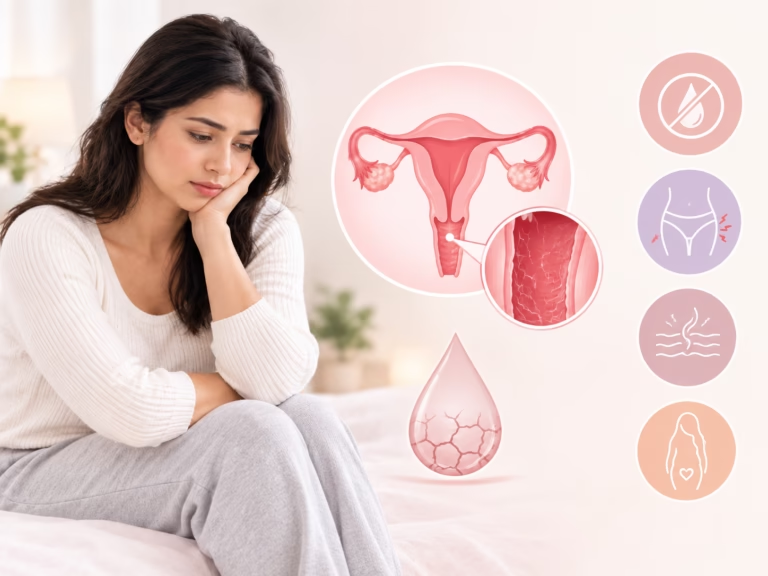

Heavy periods, pelvic pressure and changes in menstrual bleeding can sometimes be associated with uterine fibroids. However, many women with fibroids experience few or no symptoms, and having heavy periods does not automatically mean that fibroids are present.
If menstrual or pelvic symptoms are persistent or beginning to affect everyday life, consulting a fibroid doctor in Mumbai can help determine the underlying cause and whether treatment is required.
Women experiencing menstrual concerns can consult Dr. Rutuja Narvekar at Shree Women’s Clinic in Vile Parle, Mumbai, for gynaecological evaluation.
What Are Uterine Fibroids?
Uterine fibroids are non-cancerous growths that develop from the muscle and connective tissue of the uterus.
Fibroids can differ considerably in:
- Size
- Number
- Location
- Symptoms they produce
Some fibroids remain small and cause no noticeable problems. Others may be associated with menstrual changes, pelvic pressure or reproductive concerns.
The presence of a fibroid alone does not necessarily mean treatment is required.
What Are the Common Symptoms of Fibroids?
Symptoms depend partly on the number, size and location of the fibroids.
Possible symptoms can include:
- Heavy menstrual bleeding
- Periods lasting longer than usual
- Pelvic pressure or fullness
- Lower abdominal discomfort
- Frequent urination
- Constipation
- Back or pelvic discomfort
- Pain during intercourse in some women
- Reproductive concerns in certain circumstances
Many of these symptoms can also occur with other gynaecological conditions.
This is why symptoms alone cannot confirm fibroids.
Can Fibroids Cause Heavy Periods?
Yes. Heavy or prolonged menstrual bleeding is one symptom that can occur with certain uterine fibroids.
Women may notice:
- Heavier menstrual flow than usual
- Periods lasting longer
- Frequent passage of clots
- Bleeding that interferes with work or sleep
- Increasing tiredness or weakness
Persistent heavy bleeding can sometimes contribute to iron-deficiency anaemia.
Women experiencing heavy or changing periods can learn more about the clinic’s Period Related Concerns service, which covers heavy bleeding, painful periods, fibroids and other menstrual conditions.
Can Fibroids Cause Period Pain?
Some women with fibroids experience menstrual discomfort or pelvic pressure.
However, severe period pain can have several possible causes, including:
- Endometriosis
- Adenomyosis
- Fibroids
- Other pelvic conditions
Fibroids should therefore not be assumed to be the cause of severe menstrual pain without appropriate evaluation.
If period pain is repeatedly preventing you from working, exercising, sleeping or carrying out everyday activities, discuss it with a gynaecologist.
Can Fibroids Cause Pelvic Pressure?
Depending on their size and location, fibroids can sometimes create a sensation of pressure or fullness in the lower abdomen or pelvis.
Larger fibroids may also put pressure on nearby structures.
Some women may notice:
- Abdominal fullness
- Pelvic pressure
- Frequent urination
- Difficulty emptying the bladder completely
- Constipation
These symptoms can have causes other than fibroids, so persistent symptoms should be medically assessed.
Why Do Fibroids Develop?
The exact reason fibroids develop is not completely understood.
Hormonal and genetic factors are thought to play a role in their growth.
Fibroids can behave differently between women. Some may remain stable, while others may change in size over time.
Because the clinical significance of a fibroid depends on more than its presence alone, treatment decisions should be based on symptoms and individual circumstances.
How Are Uterine Fibroids Diagnosed?
Evaluation usually begins with a discussion of your symptoms and menstrual history.
Your gynaecologist may ask about:
- Menstrual flow
- Duration of periods
- Blood clots
- Period pain
- Pelvic pressure
- Urinary symptoms
- Previous pregnancies
- Fertility concerns
- Medical history
- Current medications
Depending on the findings, a pelvic examination, ultrasound or other investigations may be recommended.
Not every woman with heavy periods requires the same investigations.
Fibroid Doctor in Mumbai: When Should You Seek Evaluation?
Consider consulting a fibroid doctor in Mumbai or a gynaecologist if you experience:
- Persistently heavy periods
- Menstrual bleeding lasting longer than usual
- Significant pelvic pressure
- Increasing abdominal fullness
- Severe menstrual discomfort
- Frequent urination with pelvic symptoms
- Bleeding between periods
- Persistent fatigue associated with heavy bleeding
- Difficulty conceiving alongside other symptoms
The purpose of evaluation is not simply to look for fibroids. It is to identify the actual reason for your symptoms.
Do All Fibroids Need Treatment?
No.
Fibroids that cause no symptoms may not necessarily require active treatment.
Whether treatment is appropriate can depend on factors such as:
- Severity of symptoms
- Size and location of fibroids
- Number of fibroids
- Age
- Degree of menstrual bleeding
- Presence of anaemia
- Pregnancy plans
- Other medical conditions
Monitoring may be appropriate in some situations, while symptomatic fibroids may require treatment.
Your gynaecologist can explain the available options based on your individual circumstances.
How Are Fibroids Treated?
There is no single fibroid treatment in Mumbai that is appropriate for every patient.
Treatment may depend on the symptoms, size and location of fibroids, reproductive goals and overall health.
Options can range from monitoring to medication and procedures or surgery when clinically appropriate.
A personalised treatment plan is particularly important for women who wish to preserve fertility or are planning pregnancy.
Fibroids vs Adenomyosis: What Is the Difference?
Fibroids and adenomyosis are different conditions, although both can be associated with heavy or painful periods.
Fibroids are non-cancerous growths arising from uterine muscle and connective tissue.
Adenomyosis involves tissue similar to the uterine lining being present within the muscular wall of the uterus.
Symptoms can overlap, which is why diagnosis should not be based solely on menstrual symptoms.
Both conditions fall within the menstrual and uterine concerns evaluated through the clinic’s Period Related Concerns service.
Fibroids vs Endometriosis
Fibroids and endometriosis are also different conditions.
Fibroids develop within or around the uterus, whereas endometriosis involves tissue similar to the uterine lining growing outside the uterus.
Both can sometimes be associated with:
- Painful periods
- Pelvic discomfort
- Heavy bleeding
- Reproductive concerns
The pattern of symptoms and appropriate investigations help a gynaecologist determine the possible cause.
Are Fibroids Related to PCOS?
Fibroids and PCOS are separate conditions.
PCOS primarily involves hormonal and ovulatory changes and may be associated with irregular periods, acne, excess facial or body hair and fertility concerns.
Fibroids are structural growths arising from uterine tissue.
If your main concern is irregular or missed periods accompanied by hormonal symptoms, you can learn more about PCOS, PCOD and PMOS treatment.
Can Fibroids Affect Fertility?
Most women with fibroids are not necessarily infertile.
However, certain fibroids may affect fertility depending on factors such as their size and location.
If you have been diagnosed with fibroids and are planning pregnancy, discuss your individual situation with your gynaecologist rather than assuming that fibroids will prevent conception.
The impact on fertility needs to be assessed individually.
Can You Get Pregnant With Fibroids?
Many women with fibroids can become pregnant.
Whether a particular fibroid is relevant to pregnancy depends on its characteristics and the woman’s overall reproductive health.
If you know that you have fibroids and are planning pregnancy, a pre-pregnancy discussion with your gynaecologist can help determine whether any additional evaluation is appropriate.
Fibroids and Anaemia
Persistent heavy menstrual bleeding can contribute to iron-deficiency anaemia.
Possible symptoms include:
- Unusual tiredness
- Weakness
- Dizziness
- Shortness of breath
- Headaches
- Reduced energy
If heavy periods are accompanied by these symptoms, your doctor may recommend blood tests.
Managing the underlying bleeding is important alongside addressing any iron deficiency that may be identified.
What Information Should You Take to Your Appointment?
Keeping a menstrual record can make your consultation more useful.
Consider recording:
- First day of each period
- Duration of bleeding
- Whether bleeding has become heavier
- Presence of large clots
- Severity of menstrual pain
- Pelvic pressure
- Urinary symptoms
- Medication taken
- Whether periods interfere with everyday activities
Take previous ultrasound reports, blood tests or relevant medical records if available.
Fibroid Doctor in Vile Parle, Mumbai
Women experiencing heavy periods, pelvic pressure or other symptoms possibly associated with fibroids can seek gynaecological evaluation rather than assuming these changes are simply part of their normal menstrual cycle.
Dr. Rutuja Narvekar at Shree Women’s Clinic provides gynaecological consultation in Vile Parle, Mumbai.
For fibroids, heavy bleeding, painful periods and related menstrual conditions, visit the clinic’s Period Related Concerns service page.
Frequently Asked Questions About Uterine Fibroids
Are uterine fibroids cancerous?
Fibroids are generally non-cancerous growths of uterine muscle and connective tissue. Any uterine growth or unusual symptoms should still be appropriately evaluated.
What is the most common symptom of fibroids?
Heavy menstrual bleeding is commonly associated with symptomatic fibroids, although many women with fibroids have no symptoms.
Can fibroids cause severe period pain?
Fibroids can contribute to menstrual discomfort in some women, but severe period pain can have several other causes.
Do fibroids always need surgery?
No. Treatment depends on symptoms, fibroid characteristics, reproductive plans and other individual factors. Some fibroids may only require monitoring.
Can fibroids affect pregnancy?
Certain fibroids can influence fertility or pregnancy depending on their size and location, while many women with fibroids conceive and have pregnancies. Individual assessment is important.
Can fibroids cause a swollen stomach?
Larger or multiple fibroids can sometimes contribute to abdominal fullness or enlargement, but abdominal swelling can have many possible causes.
Which doctor should I consult for fibroids?
A gynaecologist can evaluate symptoms associated with uterine fibroids and recommend appropriate investigations and management.
Where can I find a fibroid doctor in Mumbai?
Women looking for a fibroid doctor in Mumbai can consult Dr. Rutuja Narvekar at Shree Women’s Clinic in Vile Parle for gynaecological evaluation.
Consult a Fibroid Doctor in Mumbai
Uterine fibroids do not always cause symptoms or require treatment. However, persistent heavy periods, pelvic pressure, menstrual pain or other changes should be evaluated to determine their underlying cause.
If you are experiencing possible fibroid symptoms and looking for a fibroid doctor in Mumbai or fibroid doctor in Vile Parle, you can consult Dr. Rutuja Narvekar at Shree Women’s Clinic.
For fibroids and related menstrual concerns, visit the clinic’s Period Related Concerns service page.