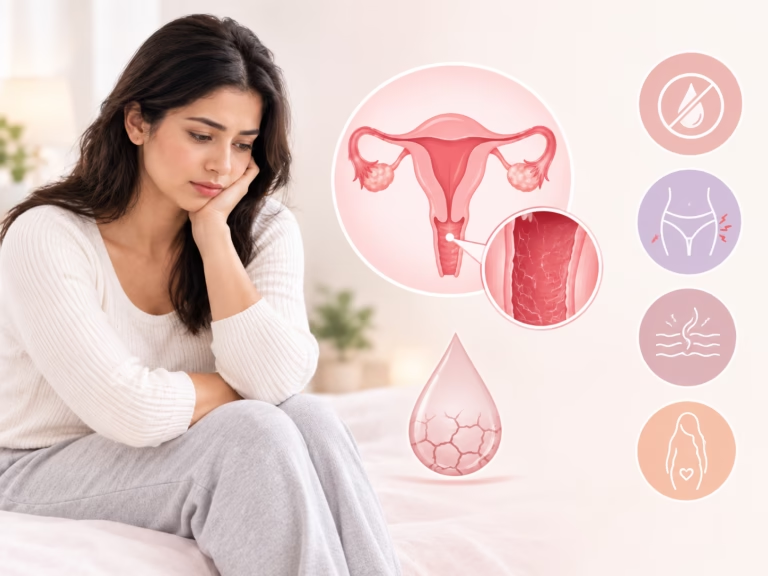

Pain during intercourse is a women’s health concern that can occur for several physical, hormonal and gynaecological reasons. Some women experience occasional discomfort, while others experience recurring pain that begins to affect intimacy, relationships or quality of life.
Persistent painful intercourse should not simply be ignored. Consulting a gynaecologist for pain during intercourse in Mumbai can help identify possible causes and determine whether further examination or treatment is required.
Women experiencing intimate or gynaecological concerns can consult Dr. Rutuja Narvekar at Shree Women’s Clinic in Vile Parle, Mumbai, for confidential and personalised gynaecological guidance.
What Is Pain During Intercourse?
The medical term commonly used for painful intercourse is dyspareunia.
Pain may occur:
- Before intercourse
- During penetration
- With deeper penetration
- After intercourse
The sensation can also differ between women. It may feel like burning, irritation, soreness, pressure or deeper pelvic pain.
Understanding where and when the pain occurs can provide useful information when identifying its possible cause.
What Causes Pain During Intercourse in Women?
There is no single cause.
Possible reasons can include vaginal dryness, infections, hormonal changes and certain pelvic or gynaecological conditions.
Vaginal Dryness
Insufficient lubrication can cause friction and discomfort during intercourse.
Vaginal dryness may occur for several reasons and can become more common around perimenopause and menopause because of hormonal changes.
Vaginal Infection or Irritation
Certain vaginal infections or irritation may cause:
- Burning
- Itching
- Unusual discharge
- Redness
- Pain during intercourse
Because different infections can cause similar symptoms, appropriate diagnosis is preferable to repeatedly using medication without knowing the cause.
Pelvic Floor Factors
The muscles around the pelvic floor can sometimes tighten involuntarily or contribute to discomfort during penetration.
A gynaecologist can evaluate the symptoms and determine whether additional assessment is appropriate.
Endometriosis
Endometriosis can be associated with deeper pelvic pain during or after intercourse in some women.
Other possible symptoms can include:
- Severe period pain
- Persistent pelvic pain
- Pain around bowel movements during menstruation
- Heavy menstrual bleeding
- Fertility concerns
Pain during intercourse alone does not mean that someone has endometriosis.
Ovarian or Pelvic Conditions
Certain ovarian cysts or other pelvic conditions may sometimes contribute to deeper pelvic discomfort.
The location and pattern of pain can help guide further evaluation.
Pain During Intercourse and Endometriosis
Pain during or after intercourse can be one of the symptoms associated with endometriosis.
However, it becomes more suggestive of an underlying pelvic condition when accompanied by symptoms such as:
- Severe menstrual pain
- Pelvic pain outside periods
- Heavy menstrual bleeding
- Bowel or urinary pain associated with periods
- Difficulty conceiving
Shree Women’s Clinic evaluates period-related concerns including painful periods, endometriosis, adenomyosis, fibroids and other menstrual conditions.
A complete symptom history is more useful than trying to diagnose endometriosis based on a single symptom.
Pain During Intercourse and Vaginal Discharge
Painful intercourse accompanied by unusual vaginal discharge may require evaluation for an infection or another vaginal health concern.
Pay attention to changes such as:
- Strong or unusual odour
- Yellow, green or grey discharge
- Significant itching
- Burning
- Redness
- Pain during urination
Do not assume that all vaginal discharge requires treatment. Normal discharge can vary throughout the menstrual cycle.
However, new discharge accompanied by pain, irritation or other symptoms deserves medical attention.
Pain During Intercourse During Menopause
Hormonal changes around perimenopause and menopause can affect vaginal tissues and lubrication.
Some women may experience:
- Vaginal dryness
- Burning
- Irritation
- Reduced comfort during intercourse
- Pain with penetration
These symptoms can significantly affect quality of life but are sometimes left untreated because women feel uncomfortable discussing sexual health.
A gynaecologist can evaluate the symptoms and discuss management options based on individual health and medical history.
Can PCOS Cause Pain During Intercourse?
PCOS primarily affects hormones, ovulation and menstrual regularity.
Pain during intercourse is not a defining symptom of PCOS and should not automatically be attributed to it.
Women experiencing irregular periods, acne, excess facial hair or other possible PCOS symptoms can separately review the clinic’s PCOS, PCOD and PMOS treatment service.
If painful intercourse occurs alongside PCOS symptoms, both concerns should be evaluated appropriately rather than assuming they have the same cause.
When Should You See a Gynaecologist for Pain During Intercourse?
Occasional mild discomfort can occur, but consider medical evaluation if:
- Pain happens repeatedly
- Pain is becoming worse
- Intercourse has become difficult because of pain
- You experience persistent vaginal dryness
- Pain occurs with unusual discharge
- You experience bleeding after intercourse
- Pain is accompanied by pelvic discomfort
- You have severe period pain
- You experience urinary symptoms
- Symptoms are affecting your quality of life
Recurring pain is a valid reason to seek gynaecological advice.
Is Bleeding After Intercourse Normal?
Bleeding after intercourse can occur for different reasons and should not automatically be attributed to friction or dryness.
If bleeding occurs repeatedly or is accompanied by pain, unusual discharge or other symptoms, consult a gynaecologist.
The appropriate evaluation depends on factors such as age, menstrual history, cervical health and other symptoms.
How Is Pain During Intercourse Evaluated?
Evaluation begins with understanding the symptoms.
Your gynaecologist may ask:
- Where the pain occurs
- When the pain began
- Whether it occurs every time
- Whether pain is superficial or deeper
- Menstrual history
- Vaginal discharge or irritation
- Pelvic pain
- Current medications
- Pregnancy and reproductive history
- Menopause-related symptoms
Depending on the symptoms, an examination, ultrasound, laboratory testing or other investigations may be recommended.
Not every woman requires the same tests.
How Is Pain During Intercourse Treated?
Treatment depends on the underlying cause.
For example, the approach may be different when discomfort is related to:
- Vaginal dryness
- Infection
- Hormonal changes
- Endometriosis
- Pelvic conditions
- Pelvic floor concerns
There is therefore no single pain during intercourse treatment in Mumbai appropriate for every woman.
Identifying the cause is the first step toward selecting suitable management.
Why Women Should Feel Comfortable Discussing Sexual Health
Sexual health is part of overall women’s health.
Concerns such as pain during intercourse, vaginal dryness or changes around menopause can sometimes remain untreated because women feel embarrassed about discussing them.
A gynaecological consultation provides an opportunity to discuss symptoms confidentially and medically.
You do not need to wait until symptoms become severe before seeking advice.
Gynaecologist for Pain During Intercourse in Vile Parle
Women experiencing persistent pain during intercourse, vaginal discomfort or related gynaecological symptoms can seek evaluation to determine the possible underlying cause.
Dr. Rutuja Narvekar at Shree Women’s Clinic provides gynaecological consultation in Vile Parle, Mumbai.
If symptoms occur alongside painful or heavy periods, the clinic’s Period Related Concerns service provides information about related menstrual and pelvic conditions.
Frequently Asked Questions About Pain During Intercourse
Is pain during intercourse normal?
Occasional discomfort can occur, but persistent or recurring pain should not simply be considered normal. A gynaecologist can help determine the possible cause.
Why does intercourse suddenly hurt?
New pain can occur for several reasons, including vaginal dryness, irritation, infection, hormonal changes or pelvic conditions. Persistent symptoms should be evaluated.
Can endometriosis cause pain during intercourse?
Yes. Some women with endometriosis experience deeper pain during or after intercourse. However, painful intercourse alone does not confirm endometriosis.
Can menopause cause painful intercourse?
Hormonal changes around menopause can contribute to vaginal dryness and tissue changes, which may make intercourse uncomfortable for some women.
Can an infection cause pain during intercourse?
Certain vaginal or pelvic infections can cause pain, particularly when accompanied by discharge, itching, burning or other symptoms.
Should I see a gynaecologist for vaginal dryness?
Persistent vaginal dryness, particularly when it causes discomfort or painful intercourse, can be discussed with a gynaecologist.
Which doctor should I consult for painful intercourse?
A gynaecologist can evaluate physical and gynaecological causes of painful intercourse and determine whether further investigations or treatment are appropriate.
Where can I consult a gynaecologist for pain during intercourse in Mumbai?
Women experiencing persistent painful intercourse can consult Dr. Rutuja Narvekar at Shree Women’s Clinic in Vile Parle, Mumbai, for gynaecological evaluation.
Consult a Gynaecologist for Pain During Intercourse in Mumbai
Pain during intercourse can have several possible causes, ranging from vaginal dryness and infections to hormonal or pelvic conditions. Persistent symptoms deserve proper evaluation rather than repeated self-treatment or avoidance.
If you are looking for a gynaecologist for pain during intercourse in Mumbai or Vile Parle, you can consult Dr. Rutuja Narvekar at Shree Women’s Clinic for personalised and confidential gynaecological guidance.
For painful periods, endometriosis and related pelvic conditions, visit the clinic’s Period Related Concerns service page.