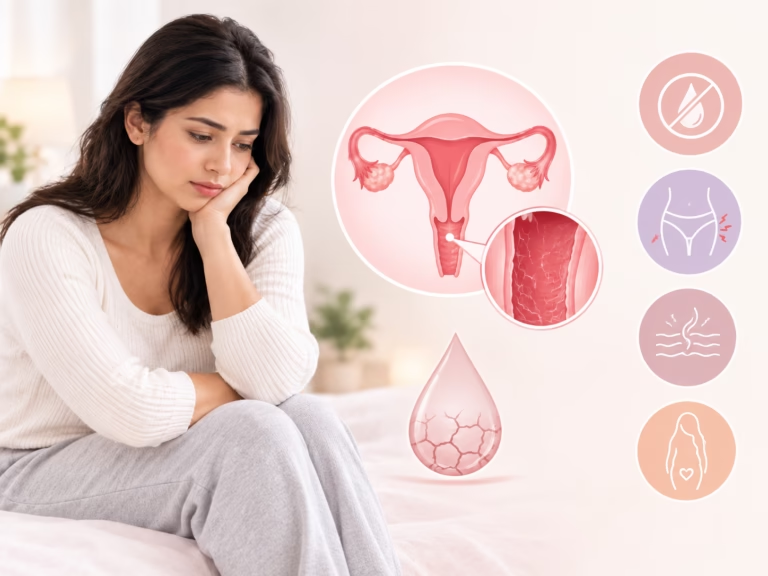

Ovarian cysts are fluid-filled sacs that can develop on or within an ovary. Many ovarian cysts cause no symptoms and may resolve without treatment, while others can cause pelvic pain, pressure, menstrual changes or other concerns.
Finding an ovarian cyst on an ultrasound does not automatically mean that surgery or treatment is required. The appropriate approach depends on factors such as the type and size of the cyst, symptoms, age and individual medical history.
Women experiencing persistent pelvic or menstrual symptoms can consult Dr. Rutuja Narvekar at Shree Women’s Clinic in Vile Parle, Mumbai, for gynaecological evaluation.
What Is an Ovarian Cyst?
The ovaries are part of the female reproductive system and are involved in producing eggs and reproductive hormones.
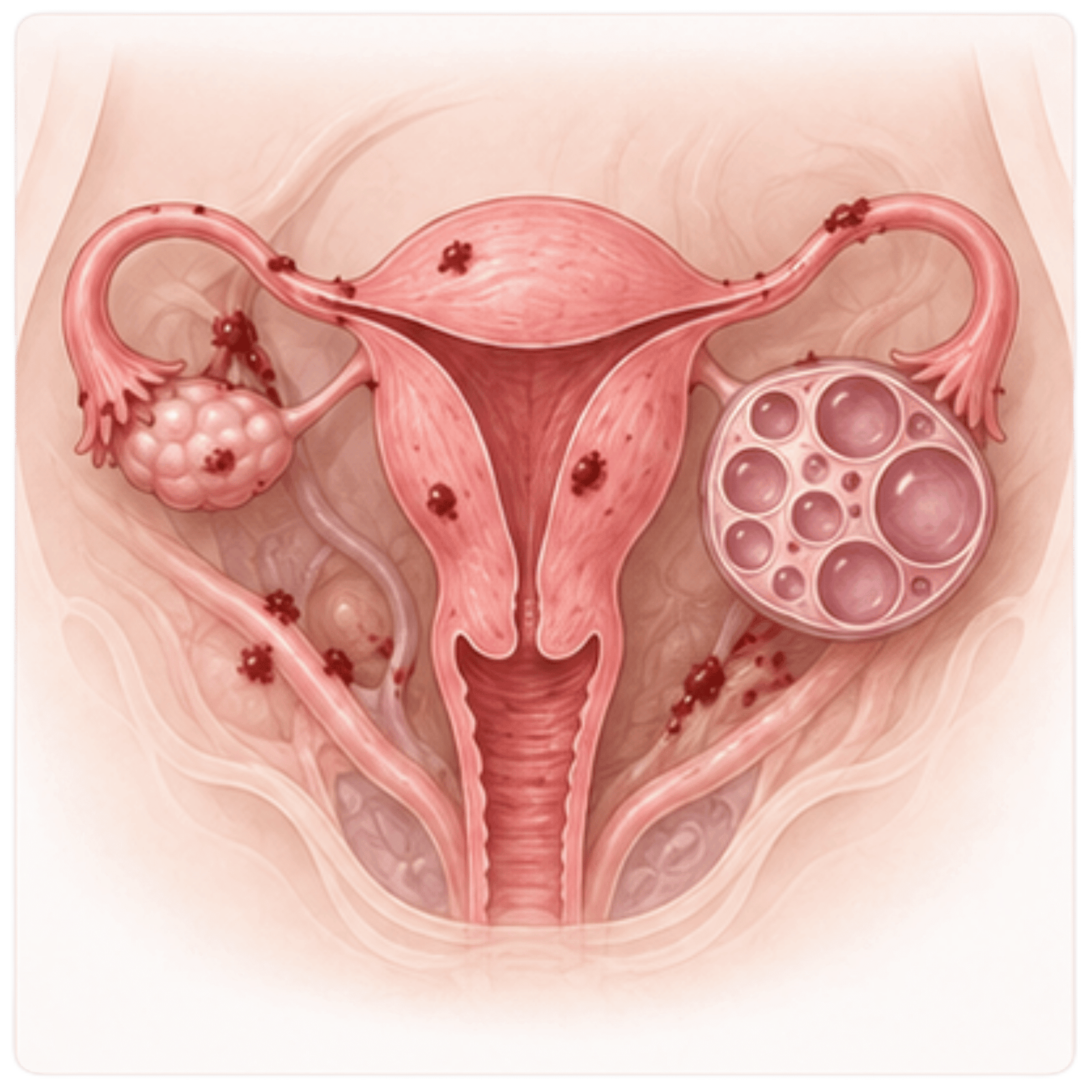
An ovarian cyst is a sac containing fluid or other material that develops on or within an ovary.
Different types of ovarian cysts can occur.
Some develop as part of the normal menstrual cycle and may disappear naturally. Others may require monitoring or further evaluation depending on their characteristics.
This is why the term “ovarian cyst” alone does not tell you whether treatment is necessary.
Are Ovarian Cysts Common?
Ovarian cysts are relatively common, particularly during the reproductive years.
Many are discovered incidentally during an ultrasound performed for another reason.
A cyst that causes no symptoms may require a very different approach from one associated with significant pelvic pain or other concerning findings.
Your gynaecologist can interpret the ultrasound findings in the context of your symptoms and medical history.
What Are the Symptoms of an Ovarian Cyst?
Many ovarian cysts cause no noticeable symptoms.
When symptoms occur, they can include:
- Pelvic pain
- Lower abdominal discomfort
- A sensation of pelvic pressure
- Abdominal bloating or fullness
- Pain during intercourse
- Menstrual changes
- Frequent urination in some circumstances
- Sudden pelvic pain in certain situations
These symptoms are not specific to ovarian cysts.
Fibroids, endometriosis, infections and other pelvic conditions can produce similar symptoms, so self-diagnosis based on symptoms is unreliable.
Can Ovarian Cysts Cause Pelvic Pain?
Yes, certain ovarian cysts can be associated with pelvic pain.
The discomfort may vary depending on factors such as cyst size, location and whether complications develop.
Pain may be:
- Dull or aching
- Intermittent
- Persistent
- More noticeable during certain activities
- Sudden and severe in some circumstances
Persistent pelvic pain should be medically evaluated regardless of whether you believe an ovarian cyst is responsible.
Can an Ovarian Cyst Cause Period Problems?
Some ovarian cysts may be associated with changes in menstrual symptoms, although menstrual irregularities have many possible causes.
If you experience:
- Irregular periods
- Heavy periods
- Painful periods
- Bleeding between periods
- Significant changes in your normal menstrual pattern
a gynaecological evaluation can help identify the underlying cause.
Shree Women’s Clinic evaluates period-related concerns including ovarian cysts, fibroids, endometriosis, adenomyosis and menstrual problems.
Ovarian Cysts vs PCOS: Are They the Same?
No. Having an ovarian cyst is not the same as having PCOS.
This is an important distinction.
An ovarian cyst is a particular growth or fluid-filled sac involving an ovary.
PCOS, or Polycystic Ovary Syndrome, is a hormonal and metabolic condition that can affect ovulation and menstrual cycles.
Possible PCOS symptoms include:
- Irregular or missed periods
- Acne
- Excess facial or body hair
- Hair thinning
- Weight or metabolic concerns
- Difficulty conceiving
Women experiencing these symptoms can learn more about PCOS, PCOD and PMOS treatment at Shree Women’s Clinic.
An ultrasound showing ovarian cysts should not automatically lead someone to assume that they have PCOS.
What Causes Ovarian Cysts?
Different types of ovarian cysts can develop for different reasons.
Some cysts are associated with normal ovarian function and the menstrual cycle.
Other types may be related to specific gynaecological conditions.
The cause and clinical significance cannot always be determined simply from symptoms. Ultrasound characteristics and individual medical history can be important in deciding whether further evaluation is necessary.
How Are Ovarian Cysts Diagnosed?
Ovarian cysts are commonly identified through pelvic ultrasound.
However, diagnosis involves more than simply noting that a cyst is present.
Your gynaecologist may consider:
- Age
- Menstrual history
- Symptoms
- Pregnancy history
- Previous ovarian cysts
- Medical history
- Size of the cyst
- Appearance on ultrasound
- Whether the cyst changes over time
Depending on these factors, further investigations may occasionally be recommended.
I Have an Ovarian Cyst on Ultrasound. Should I Worry?
Not necessarily.
Many ovarian cysts are benign and may not require treatment.
If an ultrasound report mentions an ovarian cyst, avoid assuming the worst based on the word “cyst.”
Your gynaecologist will interpret the report based on:
- Your age
- Symptoms
- Cyst size
- Ultrasound appearance
- Menstrual status
- Previous scans
- Other relevant findings
In some cases, follow-up imaging may be all that is required.
Do All Ovarian Cysts Need Treatment?
No.
Some cysts may resolve naturally and only require observation.
Whether ovarian cyst treatment in Mumbai is appropriate depends on individual circumstances.
Factors influencing management can include:
- Symptoms
- Cyst type
- Cyst size
- Ultrasound characteristics
- Age
- Menopausal status
- Changes on follow-up
- Pregnancy plans
Treatment should therefore be based on the individual cyst rather than the assumption that all ovarian cysts require removal.
Do Ovarian Cysts Require Surgery?
Not all ovarian cysts require surgery.
Some can be monitored, while others may require medical or surgical management depending on their characteristics and symptoms.
Surgery may be considered in selected circumstances based on factors such as:
- Size
- Persistence
- Symptoms
- Appearance
- Complications
- Individual medical circumstances
Your gynaecologist can explain whether observation or intervention is appropriate.
Can Ovarian Cysts Affect Fertility?
The answer depends on the type of ovarian cyst and the woman’s overall reproductive health.
Many ovarian cysts do not prevent pregnancy.
Certain conditions associated with ovarian cysts may be relevant to fertility, but a cyst should not automatically be interpreted as a fertility problem.
Women trying to conceive should discuss fertility concerns separately with their gynaecologist so that ovulation, menstrual health and other reproductive factors can be considered.
Can Ovarian Cysts Cause Pain During Intercourse?
Some ovarian or pelvic conditions may contribute to deeper discomfort during intercourse.
However, painful intercourse can have several possible causes, including:
- Vaginal dryness
- Infections
- Endometriosis
- Pelvic floor concerns
- Other pelvic conditions
Recurring pain should be evaluated rather than automatically attributed to an ovarian cyst.
Ovarian Cyst vs Fibroid: What Is the Difference?
Ovarian cysts and uterine fibroids are different.
Ovarian cysts develop on or within an ovary.
Fibroids are non-cancerous growths that develop from uterine muscle and connective tissue.
Both can sometimes cause pelvic symptoms, but their location, diagnosis and management differ.
This distinction is one reason pelvic symptoms require appropriate evaluation rather than self-diagnosis.
Ovarian Cyst vs Endometriosis
Endometriosis and ovarian cysts are also not the same condition.
Endometriosis involves tissue similar to the uterine lining growing outside the uterus.
Certain forms of endometriosis can involve the ovaries, but not every ovarian cyst is related to endometriosis.
Women with severe period pain, persistent pelvic pain or other endometriosis-related symptoms should discuss the complete pattern with their gynaecologist.
When Should You See an Ovarian Cyst Doctor in Mumbai?
Consider consulting a gynaecologist if you experience:
- Persistent pelvic pain
- Increasing lower abdominal discomfort
- Significant abdominal fullness
- Menstrual changes
- Pain during intercourse
- An ovarian cyst identified on ultrasound
- Symptoms that are becoming progressively worse
- Fertility concerns alongside pelvic symptoms
An ultrasound finding should be interpreted by a qualified healthcare professional in the context of your individual health.
When Can an Ovarian Cyst Be an Emergency?
Certain ovarian cyst complications can cause sudden and severe symptoms.
Seek urgent medical attention if you experience:
- Sudden severe pelvic or abdominal pain
- Severe pain with vomiting
- Fainting or significant dizziness
- Severe weakness
- Significant bleeding
- Rapidly worsening symptoms
Do not wait for a routine appointment when symptoms are severe or you believe you may be experiencing a medical emergency.
Ovarian Cyst Doctor in Vile Parle, Mumbai
Women with an ovarian cyst identified on ultrasound or persistent pelvic symptoms can seek gynaecological evaluation to understand whether monitoring or treatment is appropriate.
Dr. Rutuja Narvekar at Shree Women’s Clinic provides gynaecological consultation in Vile Parle, Mumbai.
For ovarian cysts and related menstrual or pelvic concerns, visit the clinic’s Period Related Concerns service page.
Frequently Asked Questions About Ovarian Cysts
Are ovarian cysts dangerous?
Many ovarian cysts are benign and may resolve naturally. Their significance depends on factors such as type, size, symptoms, age and ultrasound characteristics.
Can an ovarian cyst disappear on its own?
Some functional ovarian cysts may resolve without treatment. Your doctor may recommend follow-up based on the type and characteristics of the cyst.
Is an ovarian cyst the same as PCOS?
No. An individual ovarian cyst and Polycystic Ovary Syndrome are different conditions.
Do all ovarian cysts need surgery?
No. Many ovarian cysts can be monitored without surgery. Treatment depends on symptoms and individual cyst characteristics.
Can ovarian cysts cause irregular periods?
Certain ovarian conditions may affect menstrual patterns, but irregular periods have many possible causes.
Can ovarian cysts affect pregnancy?
Many women with ovarian cysts can become pregnant. The impact depends on the type of cyst and overall reproductive health.
Which doctor should I consult for an ovarian cyst?
A gynaecologist can evaluate ovarian cysts and advise whether monitoring, additional investigations or treatment are appropriate.
Where can I find an ovarian cyst doctor in Mumbai?
Women looking for an ovarian cyst doctor in Mumbai can consult Dr. Rutuja Narvekar at Shree Women’s Clinic in Vile Parle for gynaecological evaluation.
Consult an Ovarian Cyst Doctor in Mumbai
Finding an ovarian cyst on an ultrasound does not automatically mean that treatment or surgery is required. Many cysts can be monitored, while others require additional evaluation based on their characteristics and symptoms.
If you have an ovarian cyst or persistent pelvic symptoms and are looking for an ovarian cyst doctor in Mumbai or ovarian cyst doctor in Vile Parle, you can consult Dr. Rutuja Narvekar at Shree Women’s Clinic.
For ovarian cysts and related menstrual concerns, visit the clinic’s Period Related Concerns service page.
Women whose primary symptoms are irregular periods, acne or other hormonal changes can separately review the clinic’s PCOS, PCOD and PMOS treatment service.