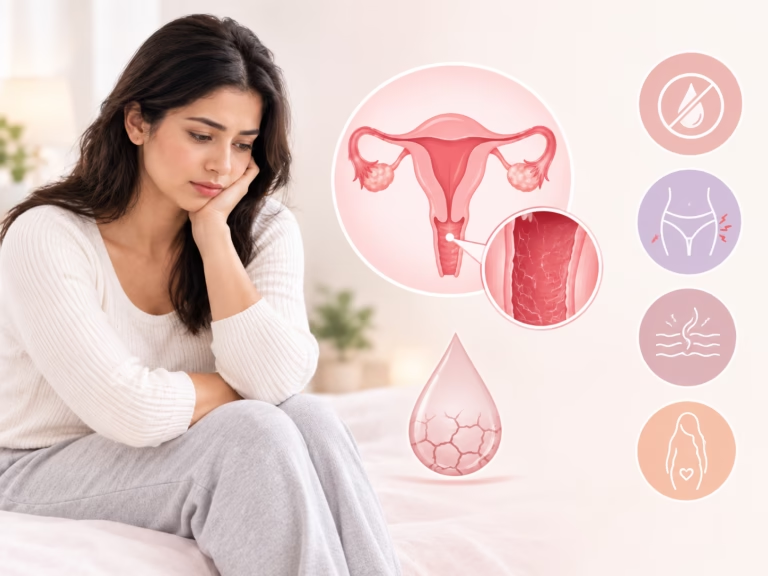

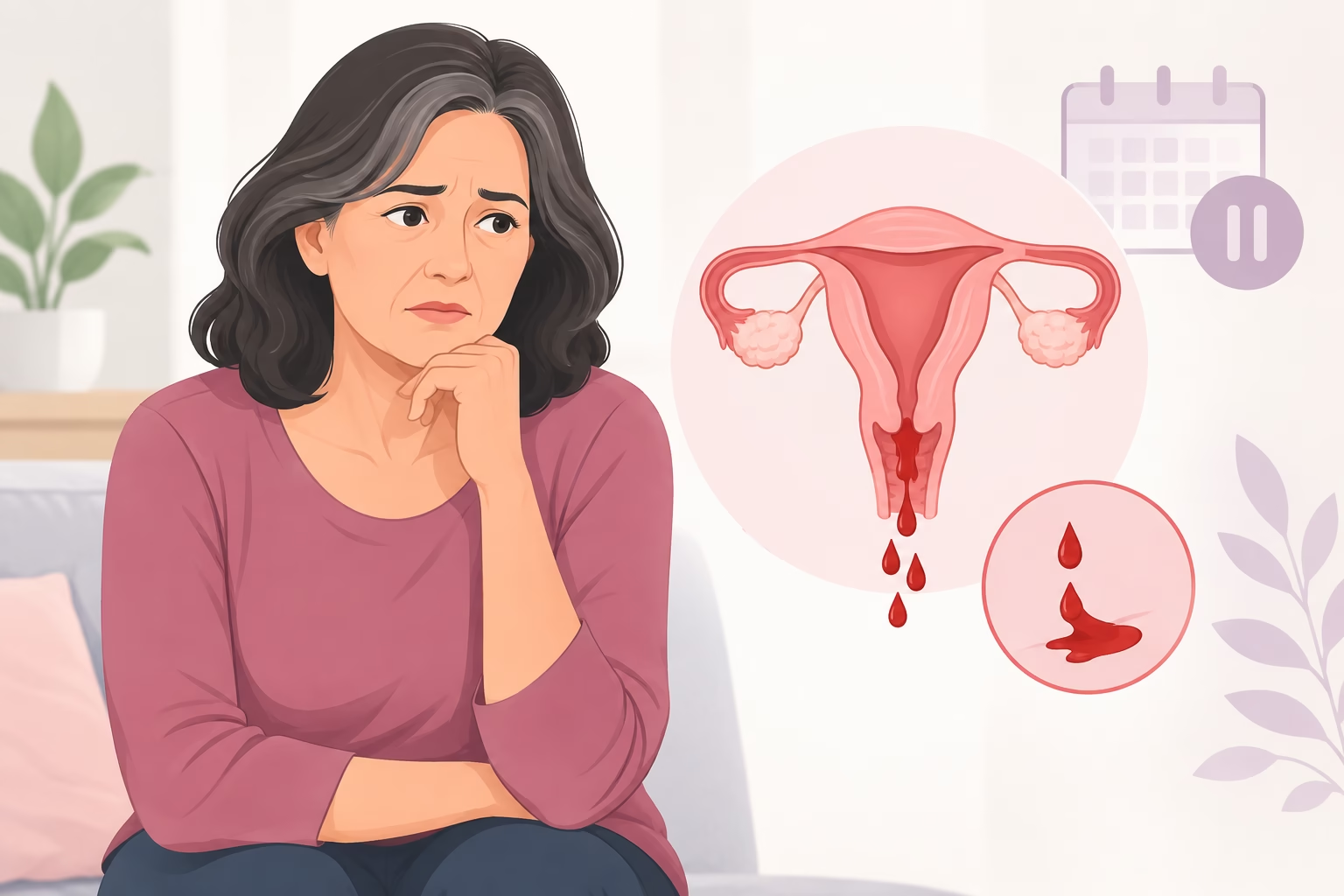
Vaginal bleeding after menopause is a symptom that should be medically evaluated, even when the bleeding is light or happens only once. There are several possible causes, many of which are not serious, but it is important to identify why the bleeding has occurred.
Women experiencing bleeding after menopause can consult a postmenopausal bleeding doctor in Mumbai or a qualified gynaecologist for appropriate evaluation rather than assuming the symptom is simply part of menopause.
Dr. Rutuja Narvekar at Shree Women’s Clinic provides gynaecological consultation in Vile Parle, Mumbai, for menopause and women’s health concerns.
What Is Postmenopausal Bleeding?
Postmenopausal bleeding refers to vaginal bleeding that occurs after menopause.
Menopause is generally recognised after menstrual periods have permanently stopped following the menopausal transition.
Bleeding after this stage can appear as:
- Light spotting
- Pink or brown discharge
- A small amount of fresh blood
- Bleeding similar to a period
- Repeated episodes of bleeding
The amount of bleeding does not necessarily indicate how important the underlying cause is.
Even light spotting deserves medical attention.
Is Bleeding After Menopause Normal?
Bleeding after menopause should not simply be considered a normal part of ageing or menopause.
There are several possible explanations, and many can be benign. However, some causes require further investigation or treatment.
This is why a gynaecological evaluation is recommended rather than waiting to see whether the bleeding happens again.
What Can Cause Bleeding After Menopause?
There is no single cause of postmenopausal bleeding.
Possible causes can include changes in vaginal or uterine tissues, polyps, medications and other gynaecological conditions.
Vaginal or Endometrial Tissue Changes
Hormonal changes after menopause can cause vaginal and uterine tissues to become thinner.
This may sometimes contribute to spotting or bleeding.
Vaginal Dryness and Irritation
Hormonal changes around menopause can lead to vaginal dryness and tissue sensitivity.
Some women may notice irritation, discomfort during intercourse or light bleeding.
Polyps
Polyps are growths that can develop in areas such as the cervix or uterus.
Many polyps are benign, but their significance depends on their location, symptoms and individual circumstances.
Certain Medications
Some medicines can influence bleeding patterns.
Tell your gynaecologist about all prescription medicines, over-the-counter products and supplements you currently take.
Changes in the Uterine Lining
Changes affecting the lining of the uterus can sometimes cause postmenopausal bleeding and may require further evaluation.
Other Gynaecological Conditions
Less commonly, postmenopausal bleeding can be associated with more serious gynaecological conditions.
This is the main reason bleeding after menopause should be investigated rather than self-diagnosed.
Does Light Spotting After Menopause Need Evaluation?
Yes.
A common misconception is that only heavy bleeding matters.
Postmenopausal bleeding can be:
- A few spots of blood
- Pink discharge
- Brown discharge
- Bleeding noticed only once
- More noticeable bleeding
Even a small amount should be discussed with a gynaecologist.
The purpose is not to assume something serious is wrong, but to determine the cause appropriately.
Brown Discharge After Menopause: Should You Worry?
Brown discharge can sometimes represent older blood.
If you are postmenopausal and notice new brown, pink or blood-stained vaginal discharge, mention it to your gynaecologist.
Other symptoms such as vaginal irritation, unusual discharge or pelvic discomfort can also provide useful information during evaluation.
Bleeding After Intercourse Following Menopause
Some women experience vaginal dryness and tissue changes after menopause, which can contribute to discomfort during intercourse.
However, bleeding after intercourse should not automatically be assumed to be caused by dryness.
If it occurs repeatedly, particularly after menopause, a gynaecological evaluation is appropriate.
Your doctor can consider vaginal, cervical and other possible causes.
Postmenopausal Bleeding and Vaginal Dryness
Reduced oestrogen levels after menopause can affect vaginal tissues.
Possible symptoms include:
- Vaginal dryness
- Burning
- Irritation
- Discomfort during intercourse
- Urinary symptoms
- Light spotting in some circumstances
A gynaecologist can assess whether symptoms are related to menopausal tissue changes or whether another cause needs to be investigated.
Can Fibroids Cause Bleeding After Menopause?
Fibroids are non-cancerous uterine growths and commonly cause symptoms during the reproductive years.
However, new bleeding after menopause should not simply be attributed to previously diagnosed fibroids.
Any postmenopausal bleeding requires appropriate evaluation to determine the actual source and cause.
For broader menstrual and uterine conditions, Shree Women’s Clinic provides information through its Period Related Concerns service.
Can Polyps Cause Postmenopausal Bleeding?
Polyps can sometimes be associated with abnormal bleeding.
They may occur in areas such as the cervix or uterus.
If a polyp is suspected, your gynaecologist can determine whether further examination or investigation is appropriate.
The presence of bleeding does not tell you whether a polyp is responsible, which is why diagnosis requires medical evaluation.
How Is Postmenopausal Bleeding Evaluated?
When you consult a postmenopausal bleeding doctor in Mumbai, evaluation generally begins with a detailed medical history.
Your gynaecologist may ask about:
- When your periods stopped
- When the bleeding began
- Amount of bleeding
- Whether bleeding happened once or repeatedly
- Vaginal dryness
- Pain during intercourse
- Pelvic pain
- Current medications
- Previous gynaecological conditions
- Previous surgeries
- Relevant family and medical history
Depending on the circumstances, examination or further investigations may be recommended.
What Tests May Be Recommended?
The investigations required depend on individual symptoms and medical history.
Depending on the clinical situation, your gynaecologist may consider:
- Pelvic examination
- Ultrasound
- Cervical evaluation where appropriate
- Assessment of the uterine lining
- Additional investigations when clinically indicated
Not every woman requires exactly the same tests.
The aim is to identify where the bleeding is coming from and determine its cause.
Does Postmenopausal Bleeding Mean Cancer?
No.
There are several possible causes of bleeding after menopause, many of which are not cancer.
However, postmenopausal bleeding can sometimes be associated with conditions that require prompt diagnosis.
This is why the correct approach is neither to panic nor to ignore the symptom.
Instead, arrange a medical evaluation.
When Should You See a Gynaecologist for Bleeding After Menopause?
You should contact a gynaecologist if you notice vaginal bleeding after menopause, including:
- Light spotting
- Pink discharge
- Brown blood-stained discharge
- Fresh vaginal bleeding
- Bleeding after intercourse
- Repeated episodes of bleeding
Do not wait for the bleeding to become heavy before seeking medical advice.
When Does Postmenopausal Bleeding Need Urgent Care?
Seek prompt or urgent medical attention if bleeding is:
- Very heavy
- Associated with severe pelvic or abdominal pain
- Accompanied by dizziness or fainting
- Associated with significant weakness
- Rapidly worsening
If you believe you are experiencing a medical emergency, seek urgent care rather than waiting for a routine appointment.
How Is Postmenopausal Bleeding Treated?
Treatment depends entirely on the underlying cause.
There is no single postmenopausal bleeding treatment in Mumbai suitable for every woman.
For example, management can differ when bleeding is related to:
- Vaginal tissue changes
- Polyps
- Medication
- Uterine conditions
- Other gynaecological causes
Treatment should therefore follow diagnosis rather than beginning medication based only on the symptom.
Menopause Health Is More Than Hot Flashes
Menopause is often associated primarily with hot flashes, but women’s health needs continue well beyond the end of menstruation.
Important concerns can include:
- Vaginal health
- Sexual health
- Bone health
- Cardiovascular health
- Urinary symptoms
- Preventive screening
- Unexpected bleeding
Regular gynaecological care can provide an opportunity to discuss these concerns based on age and individual medical history.
Postmenopausal Bleeding Doctor in Vile Parle, Mumbai
Women experiencing vaginal bleeding after menopause can seek gynaecological evaluation even when the bleeding is light or has occurred only once.
Dr. Rutuja Narvekar at Shree Women’s Clinic provides gynaecological consultation for women in Vile Parle, Mumbai.
The aim of evaluation is to determine the cause of bleeding and whether further investigation or treatment is required.
Frequently Asked Questions About Bleeding After Menopause
Is spotting after menopause normal?
Postmenopausal spotting should be medically evaluated, even when the amount of blood is small.
What is the most common cause of bleeding after menopause?
There are several possible causes, including changes in vaginal or uterine tissues. A gynaecologist needs to evaluate the individual situation rather than assuming a cause from the symptom alone.
Is brown discharge after menopause normal?
New brown or blood-stained discharge after menopause should be discussed with a gynaecologist because it may represent old blood.
Can vaginal dryness cause bleeding after menopause?
Menopausal vaginal tissue changes and dryness can sometimes contribute to irritation or spotting. However, postmenopausal bleeding should still be evaluated to exclude other causes.
Does bleeding after menopause mean cancer?
No. Many causes are not cancerous. However, because certain serious conditions can also cause postmenopausal bleeding, medical evaluation is important.
Should I see a doctor if postmenopausal bleeding happens only once?
Yes. Even a single episode of vaginal bleeding after menopause should be discussed with a gynaecologist.
Which doctor should I consult for postmenopausal bleeding?
A gynaecologist can evaluate postmenopausal bleeding and recommend appropriate investigations based on symptoms and medical history.
Where can I find a postmenopausal bleeding doctor in Mumbai?
Women experiencing bleeding after menopause can consult Dr. Rutuja Narvekar at Shree Women’s Clinic in Vile Parle, Mumbai, for gynaecological evaluation.
Consult a Postmenopausal Bleeding Doctor in Mumbai
Bleeding after menopause should not be ignored, even when it occurs only once or appears as light spotting. There are several possible causes, and appropriate evaluation can help determine why the bleeding has occurred.
If you are experiencing postmenopausal bleeding and looking for a postmenopausal bleeding doctor in Mumbai or a gynaecologist in Vile Parle, you can consult Dr. Rutuja Narvekar at Shree Women’s Clinic.
For related uterine and bleeding concerns, visit the clinic’s Period Related Concerns service page.